
Real or Tribute? How I Check Satoshinakamoto Clothing Listings
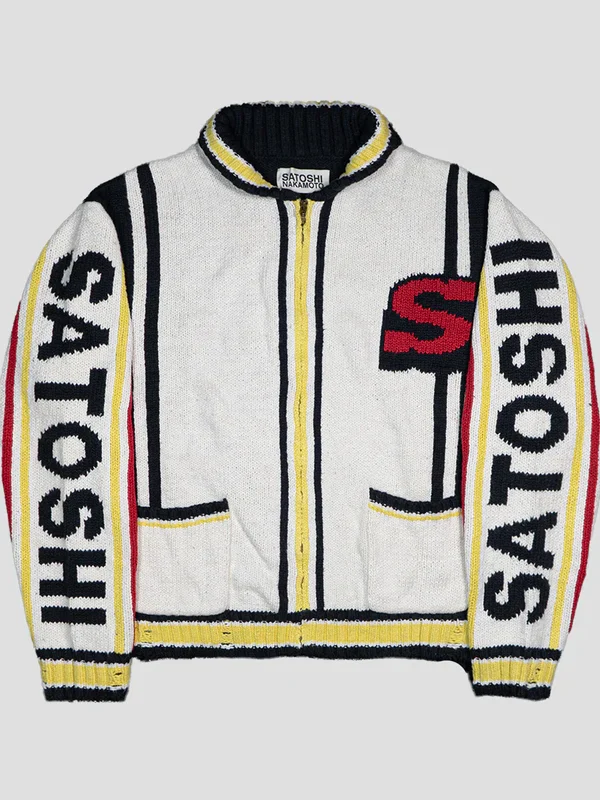
Introduction
Search for satoshinakamoto clothing and you'll find a mess. Official retailer pages sit next to tribute shirts, blog posts and marketplace listings that all use the same famous name. Some of those products are perfectly fine. Others are trying to look like something they aren't. I got tired of guessing, so I built a routine. It's seven steps, and I do them in order every time before I spend money. None of it requires special tools, just a bit of patience and a willingness to ask basic questions.
Step One: Decide What You Actually Want
Before checking anything, I ask myself whether I want the Los Angeles label specifically or just a crypto-themed shirt. Those are different purchases. The label is a premium streetwear brand with anonymous designers and limited drops. A tribute shirt is an unrelated product that happens to use the same name, usually at a much lower price. Both can be fine, but mixing them up leads to disappointment. If you want the actual label, the rest of this process matters a lot. If you just want a fun Bitcoin tee, the stakes are lower.
Step Two: Start With Established Retailers
I begin by looking for the label at big fashion retailers and well-known streetwear shops. In my searches, the brand appeared at major menswear sites and at boutiques in places like Tokyo. Those stores describe it as a Los Angeles-based label named after Bitcoin's creator, with undisclosed designers. When the description matches across several independent retailers, that's reassuring. I treat these listings as a baseline for what an official product page looks like, including photography, pricing and descriptive language, so I have something to compare against.
Step Three: Compare the Price Range
Price is one of the fastest signals. I saw a logo-print cotton jersey tee listed at $725 at one retailer, which suggests the label sits firmly in the premium range. If another site offers something similar for $39, that's a major gap. It doesn't automatically mean fake, because tribute shirts exist and are sold openly, but it does mean it's probably not the same product. I'd rather understand that than be surprised later. Cheap isn't bad, but a cheap price attached to a premium claim deserves suspicion.
Step Four: Read the Description Like a Detective
Official listings tend to include specific details such as material, construction and brand background. Some mention that pieces are made from processed vintage clothing and may have pinholes or color variation. Tribute listings often rely on vague phrases like "inspired by crypto culture" or talk mostly about symbolism. Neither is dishonest, but the difference in specificity tells you something. I read for concrete facts. If a page spends all its words on ideology and none on the garment itself, I assume it's a different kind of product.
Step Five: Look at the Photos Closely
Consistent, high-quality photography usually signals a real retailer. I check whether photos show the garment from several angles, whether the tags are visible and whether the images look like they belong to the same set. Stock images pasted onto many listings are a warning. For distressed pieces, I want close-ups of the texture, because it helps me know what to expect. If a seller refuses to provide extra photos when I ask, I move on. Real sellers usually don't mind answering simple questions.
Step Six: Check the Return Policy
A clear return policy is a sign that a store expects to stand behind what it sells. One retailer I saw offered free returns within 14 days of delivery. Another large marketplace seller offered free thirty-day returns on a Satoshi Nakamoto long-sleeve shirt, though that listing was from a third-party seller and priced far below the premium range, so it's likely a different product. That's a good example of why the policy and the price need to be read together. A generous return window is useful, but it doesn't tell you what the item actually is.
Step Seven: Use Resale Carefully
If a piece is sold out everywhere, resale becomes tempting. I only use platforms that provide buyer protection and authentication or dispute options. I ask for tag photos, stitching close-ups and any proof of purchase the seller has. With this label, flaws can be intentional because of the vintage processing, so I also ask the seller to explain what's design and what's damage. A knowledgeable seller will answer easily. A vague answer or pressure to pay quickly is a signal to stop, no matter how rare the piece is.
Red Flags I Watch For
A few patterns make me back out immediately. Listings that claim to be official but have no retailer details, prices that don't match anything else on the market, sellers who only accept irreversible payments and pages with copied text from other sites. I also distrust urgency. Countdown timers and "only one left" banners are common tricks. A real limited drop creates urgency on its own, so a fake one doesn't need to shout. If something feels rushed or evasive, I take a breath and walk away. There will always be another chance.
Tribute Shirts Aren't the Enemy
I don't want to sound snobby about this. Plenty of people just want a shirt that celebrates Bitcoin's creator, and tribute products serve that need at a reasonable price. I've bought a few myself. The problem only arises when they're presented as the premium label. So I treat them as a separate category. If the listing is honest about being a themed shirt, I have no complaints. My rule is simple: pay tribute-shirt prices for tribute shirts and premium prices only for pieces I've verified.
When in Doubt, Ask
If I can't tell what a product is, I contact the seller. A short message asking whether the item is from the Los Angeles label usually gets a clear answer. Legitimate sellers respond quickly and without drama. Evasive answers tell me everything I need to know. I also check whether the retailer has a physical address, a contact page and a history of reviews. None of this guarantees safety, but it stacks the odds in your favor, and it takes less than ten minutes.
My Short Checklist in Plain Words
Know what you want, start at established retailers, compare prices, read descriptions for detail, inspect photos, check the return policy and be careful with resale. That's the whole process. It sounds like a lot, but once you've done it a couple of times it becomes automatic. The goal isn't to distrust everything. It's to make sure the thing you pay for is the thing you think you're buying, especially when the name is famous enough that everyone wants a piece of it.

 English
 Arabic
 French
 Spanish
 Portuguese
 Deutsch
 Turkish
 Dutch
 Russian
 Romaian
 Portuguese (Brazil)
 Greek