
How Can Professional Flooring Repair in Huntsville, AL, Restore Damaged Floors and Floor Joists?
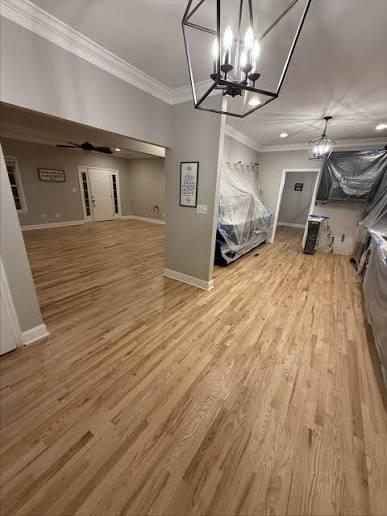
Professional Flooring Repair in Huntsville, AL is essential when homeowners experience sagging floors, soft spots, uneven surfaces, or structural damage beneath their flooring. These problems may indicate damaged floor joists, moisture intrusion, wood rot, or weakened subflooring. Addressing these issues early can help protect your home's structural stability, improve safety, and prevent costly repairs.
If your floors feel bouncy or uneven, Professional Crawl Space Floor Joist Repair in Huntsville, AL can help identify and correct underlying structural problems. Professional contractors inspect the crawl space, evaluate damaged wood, identify moisture sources, and recommend appropriate repair or replacement solutions. Understanding the repair process helps homeowners make informed decisions and maintain a safer, more stable home.
What Is Professional Flooring Repair in Huntsville, AL?
Professional flooring repair involves diagnosing and correcting problems affecting the flooring surface, subfloor, floor joists, and supporting structural components. While some flooring issues are cosmetic, others may indicate serious damage beneath the visible surface.
In Huntsville, changing humidity levels, plumbing leaks, inadequate crawl space ventilation, and moisture intrusion can contribute to wood deterioration and structural concerns. Professional Crawl Space Floor Joist Repair in Huntsville, AL can help address damaged, weakened, or moisture-affected floor joists and restore proper structural support when repairs are appropriate. A qualified professional can inspect the crawl space, identify the source of moisture or deterioration, and recommend suitable repairs to help protect the home's stability and long-term performance.
Common signs that you may need Residential Floor Repair in Huntsville, AL, include:
- Sagging or sloping floors in one or more rooms.
- Soft or spongy areas when walking across the floor.
- Cracked tiles, separated floorboards, or recurring gaps.
- Doors that stick or no longer close properly.
- Musty odors or visible mold-like growth near the crawl space.
- Wood that appears discolored, damp, or deteriorated.
These symptoms do not always indicate damaged joists, so a professional inspection is important before selecting a repair method.
Understanding Crawl Space Floor Joist Damage
Floor joists are horizontal structural members that support the subfloor and transfer floor loads to beams, walls, or other supporting structures. When joists weaken, the flooring above them may become uneven, unstable, or noisy.
Crawl Space Floor Joist Repair in Huntsville, AL typically begins with identifying the cause and extent of the damage.
Common causes include:
- Moisture intrusion: Groundwater, plumbing leaks, or poor drainage can expose wood to excessive moisture.
- Wood rot: Prolonged damp conditions can lead to fungal decay and loss of structural strength.
- Pest damage: Termites and other wood-destroying insects can weaken joists.
- Overloading: Excessive weight or improperly distributed loads can contribute to structural problems.
- Improper construction: Inadequate joist sizing, damaged connections, or insufficient support can affect floor performance.
Identifying the cause is essential because repairing damaged wood without correcting the underlying problem may lead to recurring damage.
Step-by-Step Professional Floor Joist Repair Process
Professional Floor Joist Repair Services follow a systematic process to restore structural performance and address the conditions responsible for the damage.
Step 1: Conduct a Thorough Structural Inspection
The contractor examines the flooring, subfloor, crawl space, joists, beams, support posts, and connections. They look for sagging, cracks, moisture damage, wood decay, pest activity, and inadequate support.
Measurements may be taken to assess floor unevenness and determine whether the problem is isolated or widespread.
Step 2: Identify and Correct Moisture Problems
Before repairing damaged wood, the source of moisture should be identified. Possible solutions include repairing plumbing leaks, improving exterior drainage, directing downspouts away from the foundation, and addressing ground moisture.
Depending on the home's conditions, a contractor may also recommend a properly designed vapor barrier or crawl space moisture-control system.
Moisture control is critical to successful Crawl Space Wood Rot Repair because replacement wood can deteriorate again if damp conditions remain.
Step 3: Determine Whether Repair or Replacement Is Necessary
Not every damaged joist needs complete replacement. The appropriate solution depends on the joist's condition, the extent of deterioration, its load-bearing role, and the accessibility of the affected area.
Contractors may recommend localized repairs, engineered reinforcement, joist sistering, or Wood Floor Joist Replacement when damage is extensive.
Step 4: Stabilize the Affected Structure
If the floor is significantly sagging or the joists are severely weakened, temporary supports may be necessary before structural work begins.
Qualified professionals determine the appropriate support locations and lifting procedures. Floors should not be raised abruptly because doing so can damage drywall, doors, plumbing, and other connected components.
Step 5: Repair or Replace Damaged Joists
Depending on the inspection findings, the contractor may reinforce existing joists, install suitable replacement members, or repair damaged connections.
Floor Joist Reinforcement Services may involve installing properly sized lumber or engineered components alongside existing joists. Severely deteriorated members may require partial or complete replacement.
Structural repairs should follow applicable building requirements and an appropriate engineering design when necessary.
Step 6: Complete Subfloor Repair Services
Once the supporting structure is stable, the contractor evaluates the subfloor for rot, delamination, moisture damage, and loose connections.
Subfloor Repair Services in Huntsville, AL, may include replacing damaged panels, securing loose sections, and preparing the surface for new flooring materials.
Step 7: Inspect the Completed Work
The final inspection checks structural connections, support placement, repaired areas, and moisture-control measures. The contractor should also explain any remaining concerns and recommend maintenance practices.
After the structural issues are resolved, damaged flooring finishes can be repaired or replaced as needed.
Comparing Common Floor Repair Solutions
Choosing the correct repair method helps homeowners address the actual cause of their flooring problems rather than simply covering visible symptoms.
|
Repair solution |
Best suited for |
Main purpose |
|
Damaged Floor Joist Repair |
Localized joist damage |
Restore the affected structural member |
|
Wood Floor Joist Replacement |
Severely decayed or compromised joists |
Replace structurally unsound wood |
|
Floor Joist Reinforcement Services |
Joists that can be strengthened |
Improve load-bearing performance |
|
Crawl Space Structural Floor Repair |
Multiple structural components are affected |
Address broader support and framing problems |
|
Sagging Floor Repair Services |
Uneven or sloping floors |
Correct underlying support issues |
|
Subfloor Repair Services in Huntsville, AL |
Damaged or weakened subfloor panels |
Restore a stable flooring base |
|
Crawl Space Wood Rot Repair |
Wood deterioration associated with moisture |
Remove or repair damaged material and address moisture sources |
The best option depends on the inspection findings. Cosmetic flooring repairs alone are not sufficient when the underlying structure is damaged.
Benefits of Hiring Professional Flooring Repair Contractors
Hiring experienced professionals for Structural Floor Damage Repair offers several important advantages.
Improved structural stability: Properly designed repairs help restore the floor's ability to support normal residential loads.
Better long-term durability: Addressing moisture, rot, and inadequate support reduces the likelihood of recurring damage.
Greater household safety: Severely weakened joists can create unsafe walking surfaces and should be evaluated promptly.
Protection of flooring materials: Correcting structural movement may help prevent recurring gaps, cracked finishes, and damaged flooring.
More informed repair decisions: A detailed inspection helps distinguish cosmetic problems from structural damage and supports more accurate repair planning.
Professional repairs can also help homeowners identify related concerns before they become more extensive. However, results depend on the condition of the structure, the quality of the repair, and ongoing moisture management.
How to Prevent Future Floor Joist Damage
Preventive maintenance is an important part of protecting your home's flooring system.
- Inspect the crawl space periodically for standing water, damp wood, and visible deterioration.
- Keep gutters and downspouts clear and direct roof runoff away from the foundation.
- Repair leaking pipes and plumbing fixtures promptly.
- Maintain appropriate crawl space moisture control and ventilation where required by the home's design.
- Arrange professional inspections when floors begin to sag, bounce, or feel unusually soft.
- Address termite activity and other wood-destroying pests through qualified professionals.
- Avoid covering persistent floor damage with new flooring before identifying its cause.
In Huntsville, managing moisture is especially important because humid conditions and water intrusion can contribute to crawl space deterioration.
When Should You Schedule Professional Floor Joist Repair?
You should arrange a professional inspection when you notice persistent floor movement, increasing slopes, widespread soft spots, visible joist deterioration, or recurring damage after previous repairs.
Sudden or rapidly worsening sagging, major cracks, or signs of structural movement require prompt evaluation. If the floor appears unsafe, restrict access to the affected area until a qualified professional assesses it.
A contractor experienced in Professional Crawl Space Floor Joist Repair in Huntsville, AL, can determine whether the issue involves individual joists, the subfloor, support beams, foundation components, or several parts of the flooring system.
Frequently Asked Questions (FAQs)
1. What causes floor joists to become damaged?
Common causes include prolonged moisture exposure, wood rot, termite damage, excessive loads, inadequate support, and construction defects. An inspection helps identify the specific cause.
2. How do I know if my floor joists need repair?
Warning signs include sagging floors, unusual bouncing, soft spots, cracked flooring, and visible deterioration in the crawl space. These symptoms warrant an assessment, but they do not independently confirm joist damage.
3. Can damaged floor joists be repaired without replacing them?
Yes. Depending on the extent of the damage, a contractor may reinforce an existing joist or perform a localized repair. Severely decayed or structurally compromised joists may require replacement.
4. How long does floor joist repair take?
Minor repairs may take a day or less, while extensive structural work can require several days or longer. The timeline depends on accessibility, the number of damaged members, moisture conditions, and permitting or engineering requirements.
5. Is crawl space moisture responsible for sagging floors?
Moisture can contribute to wood decay and weakened structural members, which may cause floors to sag. However, inadequate support, construction issues, and other structural problems can produce similar symptoms.
6. How much does professional floor joist repair cost in Huntsville, AL?
Costs vary according to the number of damaged joists, repair complexity, accessibility, material requirements, and moisture-control needs. Request a written estimate based on an on-site inspection rather than relying on a general price range.
7. Should I repair the subfloor or the joists first?
Structural joist and support problems should generally be addressed before completing subfloor and finish-floor repairs. The contractor should assess the entire assembly and establish the correct repair sequence.
8. Can floor joist reinforcement eliminate a sagging floor?
Reinforcement may improve floor stability, but the outcome depends on the cause and severity of the sagging. Correcting the underlying problem may require additional support, replacement, or carefully planned floor leveling.
Conclusion
Professional Flooring Repair in Huntsville, AL helps homeowners address flooring problems at their source, from damaged subfloors to weakened crawl space framing. Recognizing warning signs early, identifying moisture problems, and choosing the appropriate structural repair method can help protect your home and reduce the risk of recurring damage.
Whether you need Damaged Floor Joist Repair, Wood Floor Joist Replacement, Floor Joist Reinforcement Services, or Subfloor Repair Services in Huntsville, AL, a thorough professional inspection is the best starting point. By correcting structural issues and maintaining proper moisture control, homeowners can support a more stable, durable flooring system for years to come.
Article Written By: Rank Business Listings

 English
 Arabic
 French
 Spanish
 Portuguese
 Deutsch
 Turkish
 Dutch
 Italiano
 Romaian
 Portuguese (Brazil)
 Greek