
Understanding Smooth-Ride Tyre Maintenance
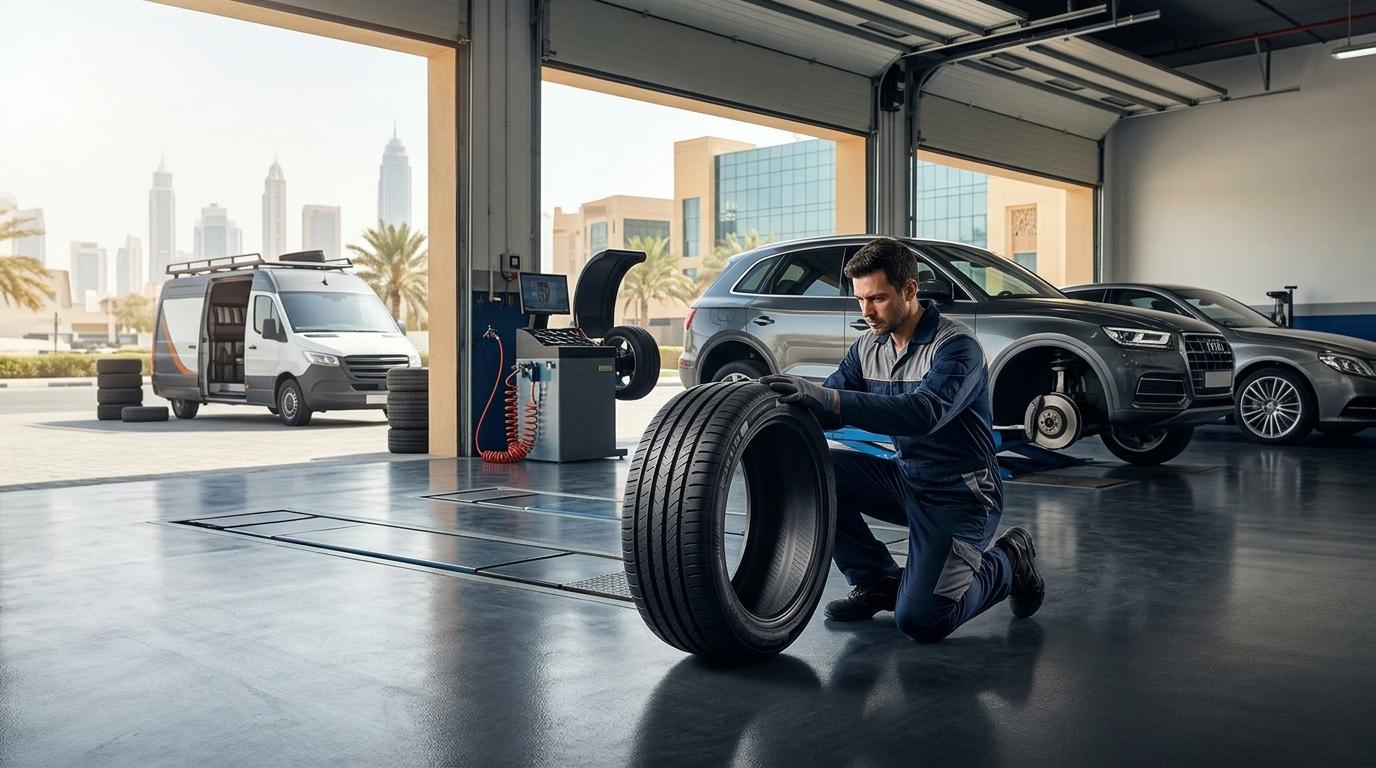
A comfortable drive depends on several factors, including tyre condition, correct inflation, wheel balance, and the health of steering and suspension components. When a vehicle develops vibrations or feels less stable at higher speeds, wheel balancing service may be one of the maintenance checks worth considering. Identifying the cause early can help drivers avoid unnecessary discomfort and reduce the risk of additional tyre or vehicle wear.
Tyres and wheels rotate together, and even a small difference in weight distribution can affect how smoothly the assembly spins. Regular inspections, suitable maintenance, and attention to changes in vehicle behaviour can help drivers recognise problems before they become more disruptive.
Why Balanced Wheels Matter
A wheel and tyre assembly should rotate evenly as the vehicle moves. If weight is distributed unevenly around the assembly, the rotation may create vibrations that become more noticeable as speed increases.
A technician can measure this imbalance with specialised equipment and use appropriate wheel weights to correct it. Proper balancing can improve ride comfort and help reduce irregular tyre wear associated with an imbalance.
A Smoother Driving Experience
Vibrations may be felt through the steering wheel, seat, or floor. Their location and intensity can vary depending on which wheel is affected and the vehicle's design.
A balanced assembly can reduce vibration caused by uneven weight distribution. However, not every vibration comes from wheel balance. Damaged tyres, bent rims, worn suspension parts, and other mechanical issues can produce similar symptoms.
If vibration continues after balancing, the vehicle should be inspected further rather than repeatedly receiving the same service without identifying the cause.
Supporting Even Tyre Wear
Uneven weight distribution can contribute to irregular tread wear over time. Tyre wear can also result from incorrect inflation, misalignment, worn suspension components, or driving conditions.
Maintaining correct balance is one part of a wider tyre-care routine. Regularly checking tread condition and tyre pressure can help reveal developing problems and support more consistent performance.
Signs That Your Wheels May Need Attention
Drivers may notice changes in vehicle behaviour before identifying the exact cause. Paying attention to these changes can help determine when a professional inspection is appropriate.
Steering Wheel Vibrations
A steering wheel that shakes at certain speeds may indicate an imbalance affecting the front wheels. The symptom can become more noticeable as the vehicle accelerates.
This is not a definitive diagnosis. Tyre damage, wheel defects, and steering or suspension problems can also cause shaking, so a technician should inspect the vehicle before recommending repairs.
Vibration Through the Seat or Floor
When vibration is felt mainly through the seat or floor, a rear-wheel issue may be one possible explanation. However, the location of a vibration alone cannot confirm which component is responsible.
A proper inspection should consider all four wheels, tyre condition, wheel integrity, and other relevant components.
Uneven Tread Wear
If one part of a tyre wears faster than another, the cause may involve balance, alignment, inflation, suspension condition, or a combination of factors.
Checking tread wear regularly helps drivers notice changes early. If the pattern is unusual or develops quickly, professional assessment is advisable.
Changes After Tyre Replacement
New tyres should be fitted and balanced according to the tyre and vehicle manufacturers' requirements. If vibration begins after replacement, the installation and balance should be checked.
A loose or missing wheel weight, an incorrectly seated tyre, or a damaged wheel can affect performance. A qualified technician can inspect the assembly and identify the appropriate correction.
What Happens During a Balancing Check?
A balancing check uses a dedicated machine to measure how the wheel and tyre assembly behaves as it rotates. The technician uses the machine's readings to identify areas where weight distribution needs correction.
Initial Inspection
The technician may begin by checking the tyre and wheel for visible damage, abnormal wear, and other conditions that could affect the result.
Tyre pressure and correct mounting are important considerations. A damaged tyre or bent rim may require additional attention rather than balancing alone.
Measuring the Imbalance
The wheel and tyre assembly is mounted on a balancing machine. The machine rotates it and measures the imbalance, indicating where correction is needed.
The technician then selects suitable weights and places them at the specified positions. The assembly is checked again to confirm that the correction has achieved the required result.
Final Verification
A final machine reading helps confirm whether the balance is within the equipment's specified limits. The technician should also check that the wheel is correctly prepared for refitting.
If the machine continues to show an abnormal result, the technician may need to inspect the mounting, tyre seating, wheel condition, or other possible causes.
Wheel Balance and Wheel Alignment Are Different
Wheel balance and wheel alignment are often discussed together, but they address different issues.
Balancing corrects uneven weight distribution in the rotating tyre and wheel assembly. Alignment concerns the angles at which the wheels sit relative to the vehicle and road.
When Alignment May Be Relevant
A vehicle that consistently pulls to one side, has an off-centre steering wheel while travelling straight, or develops certain patterns of uneven tyre wear may need an alignment inspection.
Impacts from potholes or kerbs can affect wheel alignment, although other mechanical conditions can also cause similar symptoms.
Why Diagnosis Matters
Because the symptoms can overlap, it is important not to assume that one service will resolve every problem. A technician should inspect the vehicle and explain which checks or adjustments are appropriate.
Choosing maintenance based on the actual cause can prevent unnecessary work and help address the problem more effectively.
Habits That Support Tyre Health
Regular tyre care can help drivers notice changes early and maintain suitable operating conditions.
Check Tyre Pressure
Use the vehicle manufacturer's recommended pressure, which is commonly listed on the vehicle information label or in the owner's manual. Do not rely solely on the maximum pressure printed on the tyre sidewall.
Check pressure when the tyres are cold, following the manufacturer's guidance. Incorrect pressure can affect handling, wear, comfort, and operating efficiency.
Inspect Tread and Sidewalls
Look for unusual tread wear, cuts, bulges, cracks, or embedded objects. A visible bulge or serious damage warrants prompt professional attention.
Do not continue driving on a tyre that appears unsafe. Follow professional advice about repair or replacement.
Follow Maintenance Recommendations
Tyre rotation, balancing, alignment checks, and inspections should follow the vehicle and tyre manufacturers' recommendations and the vehicle's actual condition.
Balancing is commonly performed when tyres are replaced or when symptoms suggest an imbalance. The appropriate schedule may vary according to the vehicle, tyre type, driving conditions, and manufacturer guidance.
Choosing a Professional Workshop
A suitable workshop should use appropriate balancing equipment and explain the reason for any recommended work. Clear communication helps drivers understand whether the issue concerns balance, alignment, tyre damage, or another component.
Ask for an explanation of the inspection results and any additional work required. A responsible technician should distinguish confirmed problems from possible causes and avoid promising that balancing will fix unrelated mechanical faults.
Conclusion
Smooth driving depends on tyres, wheels, steering, suspension, and consistent maintenance. Correct balance can reduce vibration caused by uneven weight distribution and help limit related irregular wear, but it cannot correct every tyre or handling problem.
Drivers should pay attention to unusual vibration, inspect tyre condition, maintain correct pressure, and follow manufacturer recommendations. When symptoms appear, a professional inspection can help identify the cause and determine the appropriate maintenance.
Frequently Asked Questions
What causes a vehicle to vibrate at higher speeds?
Possible causes include wheel imbalance, tyre damage, bent rims, or problems with steering and suspension components. A professional inspection can identify the cause.
Does balancing help tyres wear evenly?
Correct balancing can help reduce irregular wear associated with uneven weight distribution. Inflation, alignment, tyre condition, and suspension health also affect tread wear.
When should wheels be balanced?
Balancing is commonly recommended when tyres are replaced and when vibration or other signs suggest an imbalance. Follow the vehicle and tyre manufacturer's maintenance guidance.
Is balancing the same as alignment?
No. Balancing corrects uneven weight distribution in a rotating wheel and tyre assembly, while alignment concerns the angles of the wheels relative to the vehicle and road.
Can I ignore steering wheel vibration?
It is better not to ignore persistent or sudden vibration. Have the vehicle inspected, especially if the vibration is severe, the handling changes, or a tyre appears damaged.

 English
 Arabic
 Spanish
 Portuguese
 Deutsch
 Turkish
 Dutch
 Italiano
 Russian
 Romaian
 Portuguese (Brazil)
 Greek