
Is Melasma Treatment Suitable for Sensitive Skin?
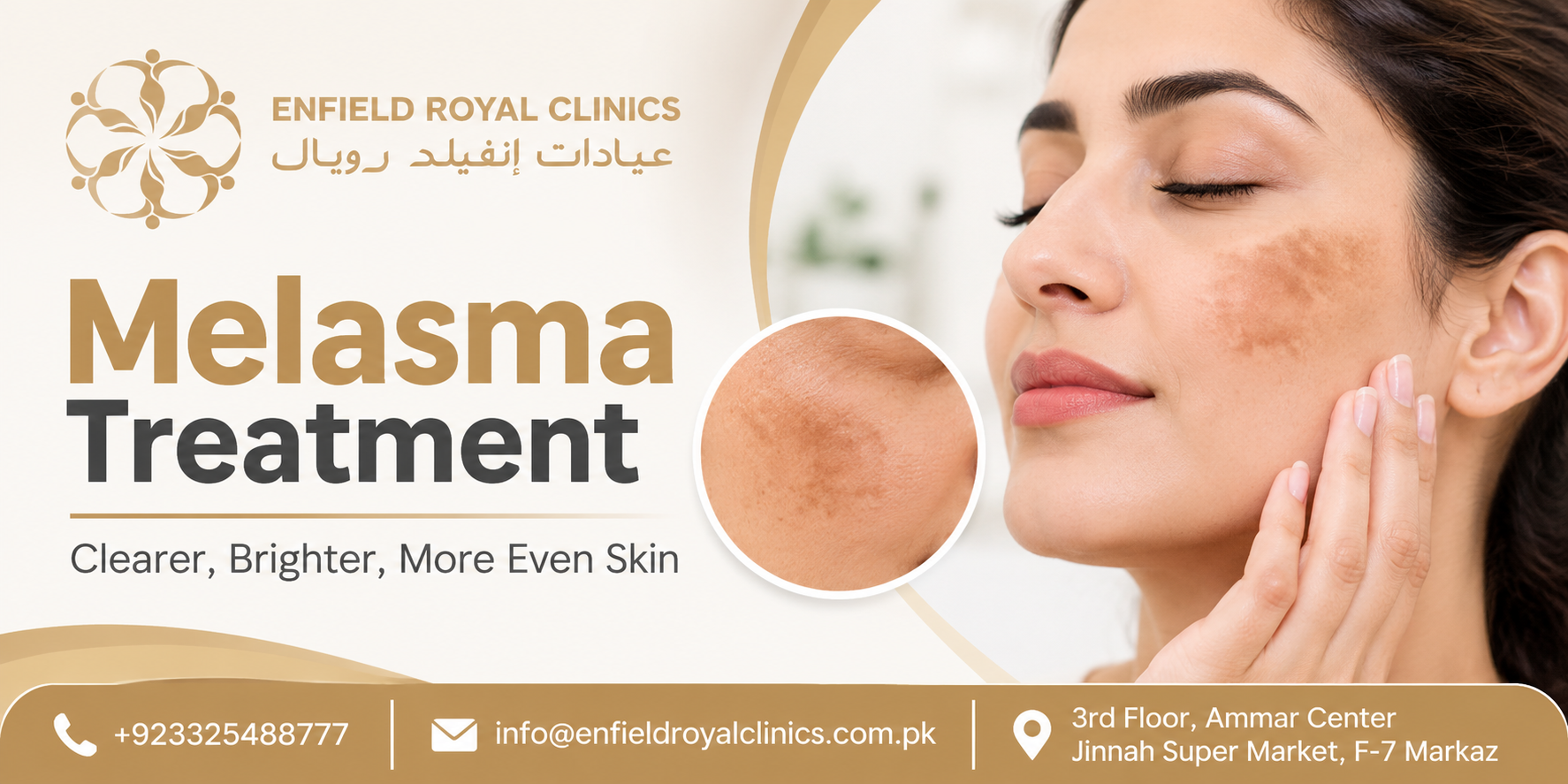
Melasma is a common pigmentation condition that causes brown, greyish-brown, or darker patches to develop on the face. It usually appears on the cheeks, forehead, nose, upper lip, and chin. Although melasma does not generally cause physical discomfort, its appearance can affect confidence and make the skin tone look uneven.
For individuals with sensitive skin, managing melasma can be more challenging. Their skin may react easily to strong skincare ingredients, exfoliating products, and certain cosmetic procedures. This often raises an important question: can sensitive skin safely undergo pigmentation treatment?
The answer is yes. Melasma Treatment in Islamabad can be suitable for individuals with sensitive skin when the treatment approach is carefully selected according to their skin condition. Gentle products, appropriate procedures, and proper aftercare can help improve pigmentation while reducing the risk of irritation. Understanding the available options allows patients to make informed decisions about their skincare.
1. Understanding the Connection Between Sensitive Skin and Melasma
Sensitive skin tends to react more easily to environmental factors and skincare ingredients. Individuals with this skin type may experience redness, itching, dryness, burning sensations, or irritation after using certain products.
Melasma, on the other hand, develops when pigment-producing cells become overactive and produce excess melanin. This creates darker patches that may become more noticeable after sunlight exposure or hormonal changes.
Although sensitive skin does not directly cause melasma, irritation and inflammation can make pigmentation management more difficult.
Several factors may contribute to both skin sensitivity and pigmentation concerns:
-
Sun exposure: Ultraviolet radiation can worsen melasma and increase skin irritation.
-
Harsh skincare products: Strong cleansers, exfoliants, and fragrances may damage the skin barrier.
-
Hormonal changes: Pregnancy and certain hormonal medications may trigger pigmentation.
-
Inflammation: Repeated irritation can lead to post-inflammatory hyperpigmentation.
-
Genetic factors: Some individuals naturally have more reactive skin or a greater tendency towards pigmentation.
Because sensitive skin requires extra care, treatment should focus on improving pigmentation without creating unnecessary inflammation.
2. Is Melasma Treatment Safe for Sensitive Skin?
Melasma treatment can be suitable for sensitive skin, but not every treatment option is appropriate for every individual. The effectiveness and safety of treatment depend on the skin's condition, pigmentation depth, previous reactions, and overall sensitivity.
Before starting treatment, a skin professional may examine the affected areas and review the patient's skincare history. This helps identify products or procedures that could cause irritation.
A suitable treatment plan may include:
-
Gentle pigmentation-control creams.
-
Skin-barrier-supporting moisturisers.
-
Carefully selected active ingredients.
-
Mild professional procedures when appropriate.
-
Consistent sun protection.
Sensitive skin generally benefits from a gradual approach rather than aggressive treatment. Starting with suitable products at lower strengths may help the skin adjust.
For people considering Melasma Treatment in Islamabad, a proper assessment is particularly important because unsuitable products or excessive exfoliation can worsen pigmentation instead of improving it.
3. Which Skincare Ingredients Are Suitable for Sensitive Skin?
Choosing the right ingredients is an important part of managing melasma in sensitive skin. Some ingredients help improve pigmentation while supporting the skin barrier, although individual reactions can vary.
Common options include:
Azelaic Acid
Azelaic acid is often considered for pigmentation and uneven skin tone. It helps reduce excess pigment production and may also be useful for individuals who experience acne-related discoloration. Some sensitive skin types tolerate it well, although irritation is still possible.
Niacinamide
Niacinamide supports the skin barrier and helps reduce the appearance of uneven pigmentation. It can also improve moisture retention and reduce visible redness in some individuals. Lower concentrations may be a suitable starting point for reactive skin.
Vitamin C
Vitamin C is an antioxidant that helps protect the skin from environmental damage and supports a brighter-looking complexion. Some formulations can cause stinging, so a gentle product is preferable for sensitive skin.
Gentle Moisturisers
Moisturisers containing ingredients such as ceramides, glycerin, or hyaluronic acid help maintain hydration and support the skin's protective barrier. A healthy skin barrier may improve tolerance to other recommended products.
Prescription-Based Ingredients
Certain stronger pigmentation treatments, including hydroquinone and retinoids, may be recommended in selected cases. However, these ingredients can cause irritation and should only be used according to professional instructions.
Sensitive skin should not be exposed to several strong ingredients at once. Introducing products gradually helps identify possible reactions.
4. Are Chemical Peels and Laser Treatments Suitable for Sensitive Skin?
Professional procedures may help improve melasma, but sensitive skin requires careful treatment selection. Some procedures can cause temporary redness, dryness, peeling, or inflammation.
Chemical Peels
Chemical peels use selected ingredients to exfoliate the outer skin layers and improve uneven pigmentation. Mild formulations may be considered for certain patients, depending on their skin sensitivity and pigmentation pattern.
However, stronger peels may damage the skin barrier and increase the risk of post-inflammatory pigmentation. A professional assessment helps determine whether a peel is appropriate.
Laser and Light-Based Treatments
Certain laser and light-based procedures may be considered for stubborn melasma. They target excess pigment and may improve the appearance of selected pigmentation concerns.
However, lasers are not suitable for every patient. Sensitive skin may be more vulnerable to irritation, and individuals with darker skin tones may have a higher risk of developing additional pigmentation after aggressive treatment.
For this reason, treatment settings and procedure selection require careful consideration. In some cases, topical skincare and sun protection may be safer initial options.
5. Why Is a Gentle Skincare Routine Important During Treatment?
A gentle skincare routine helps protect sensitive skin while supporting the effectiveness of pigmentation treatment. Using too many products or frequently changing skincare ingredients can lead to irritation.
A simple routine may include:
-
Gentle cleanser: A fragrance-free cleanser can remove dirt without stripping natural oils.
-
Hydrating moisturiser: Products containing ceramides or glycerin help support the skin barrier.
-
Recommended pigmentation products: Only suitable ingredients should be included in the routine.
-
Daily sunscreen: Broad-spectrum SPF 30 or higher helps prevent sunlight-related pigmentation.
-
Careful product introduction: New products should be added one at a time.
Patients should avoid harsh scrubs, abrasive cleansing brushes, and unverified whitening creams. These products may cause inflammation and make dark patches more noticeable.
If a product causes persistent burning, swelling, or significant redness, its use should be stopped and professional advice obtained.
6. What Results Can Patients Expect from Melasma Treatment in Islamabad?
The results of Melasma Treatment in Islamabad depend on the severity of pigmentation, skin sensitivity, treatment method, and consistency of aftercare.
Sensitive skin may require a slower treatment approach because aggressive methods can cause irritation. However, gradual treatment can still produce noticeable improvements when the selected products and procedures are appropriate.
Patients may experience:
-
Gradual lightening of brown or greyish patches.
-
More even-looking facial skin tone.
-
Reduced visibility of existing pigmentation.
-
Improved skin hydration and texture.
-
Better control over recurring dark patches.
Some individuals may notice improvements within several weeks, while others may need a few months. Deeper pigmentation can take longer to respond.
It is important to understand that melasma is a recurring condition. Even after successful treatment, pigmentation may return because of sunlight, hormonal changes, or other triggers.
Daily sun protection is therefore essential. Broad-spectrum sunscreen with SPF 30 or higher should be applied regularly. Tinted sunscreen containing iron oxides may provide additional protection against visible light, which can also contribute to melasma.
A consistent maintenance routine helps protect improvements and supports healthier-looking skin over time.
Frequently Asked Questions (FAQs)
1. Can people with sensitive skin undergo melasma treatment?
Yes. Sensitive skin can be treated with carefully selected products and procedures. A personalised assessment helps reduce the risk of irritation and unwanted pigmentation.
2. Which ingredient is suitable for sensitive skin with melasma?
Azelaic acid and niacinamide may be suitable options for some individuals. However, skin reactions vary, so ingredients should be selected according to individual tolerance.
3. Can chemical peels worsen sensitive skin?
Yes. Strong or unsuitable chemical peels can cause irritation, inflammation, and additional pigmentation. Mild treatments should only be considered after proper assessment.
4. Is laser treatment recommended for sensitive skin?
Laser treatment may be appropriate for selected patients, but it requires careful evaluation. Some sensitive skin types may benefit more from gentle topical treatments.
5. How long does melasma treatment take for sensitive skin?
Results vary, but improvement may take several weeks or months. Sensitive skin may require a gradual approach to avoid irritation.
6. Can sunscreen help sensitive skin with melasma?
Yes. Sunscreen protects against ultraviolet radiation that can worsen pigmentation. A gentle, fragrance-free formula may be more comfortable for sensitive skin.
Conclusion
Melasma treatment can be suitable for sensitive skin when the approach focuses on gentle care, appropriate ingredients, and protection of the skin barrier. Topical products, selected chemical peels, and carefully evaluated laser procedures may help improve pigmentation, but aggressive treatments should be avoided when they create unnecessary irritation.
Individuals considering Melasma Treatment in Islamabad should seek a personalised assessment to identify suitable options for their skin type and pigmentation concerns. With gradual treatment, consistent sun protection, and a gentle skincare routine, sensitive skin can achieve a more even-looking complexion while reducing the risk of further irritation.

 English
 Arabic
 French
 Spanish
 Portuguese
 Turkish
 Dutch
 Italiano
 Russian
 Romaian
 Portuguese (Brazil)
 Greek