
How Does Ceramic Wool Pakistan Improve Industrial Insulation in 2027?
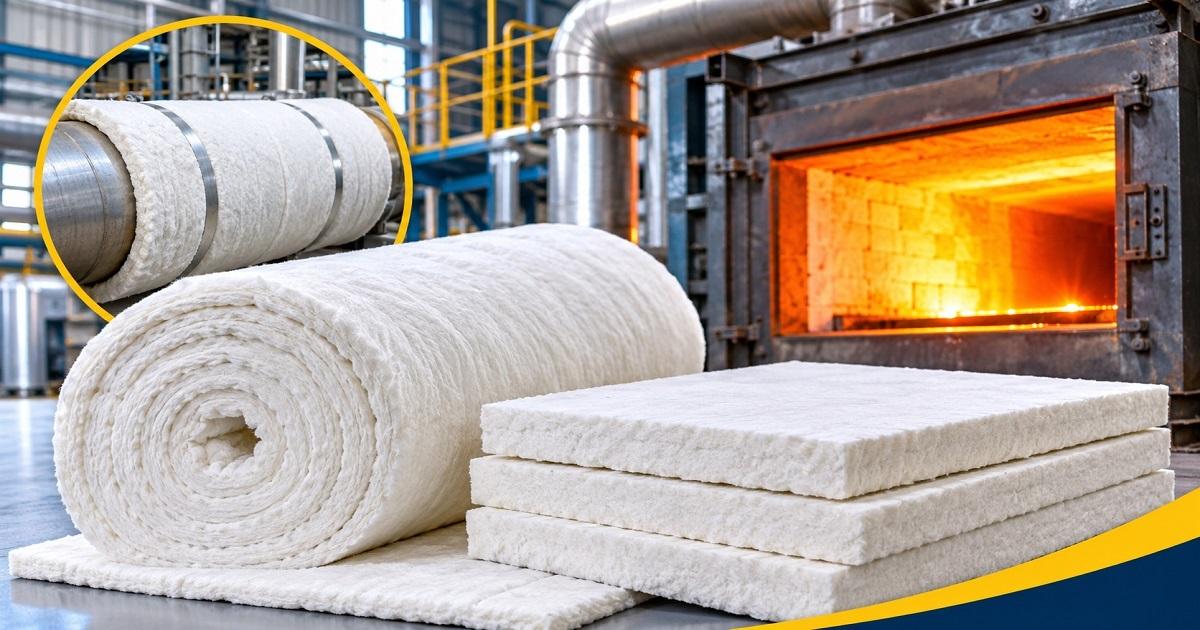
Industrial insulation is becoming increasingly important for businesses that want to reduce energy consumption, maintain process temperatures, and improve workplace safety. In Pakistan, industries such as cement, steel, textiles, chemicals, and power generation depend on reliable insulation to support efficient operations. Ceramic Wool Pakistan is an increasingly relevant solution for high-temperature insulation because it helps control heat transfer while providing flexibility for demanding industrial applications.
As industrial facilities prepare for 2027, energy efficiency and equipment performance remain important priorities. High-temperature processes can generate substantial heat, and poorly insulated equipment may waste energy, increase operating costs, and expose workers to excessive temperatures. Ceramic wool offers a lightweight, heat-resistant insulation option for furnaces, boilers, kilns, and industrial piping. When selected and installed correctly, it can help businesses improve thermal performance and manage long-term maintenance requirements.
What Is Ceramic Wool and How Does It Work?
Ceramic wool is a high-temperature insulation material made from ceramic fibres designed to withstand demanding thermal conditions. Its fibrous structure traps air and slows heat transfer, helping maintain the required temperature inside industrial equipment. Depending on the product grade, ceramic wool can be supplied in blankets, boards, modules, and other forms suitable for different installation requirements.
Unlike conventional insulation materials intended for moderate temperatures, ceramic fibre products are developed for applications where ordinary materials may deteriorate under intense heat. Their low weight also makes them useful in equipment where reducing insulation mass is beneficial.
The performance of ceramic wool depends on its temperature rating, density, thickness, installation quality, and exposure conditions. Selecting the right specification is essential for achieving dependable insulation performance in Pakistani industrial environments.
Why Ceramic Wool Pakistan Is Important for Industrial Insulation in 2027
Improved Thermal Efficiency
Heat loss is a major concern in industrial facilities that operate furnaces, ovens, boilers, and other heated equipment. When heat escapes through poorly insulated surfaces, systems may require additional energy to maintain their operating temperatures.
Ceramic wool reduces heat transfer through insulated surfaces, helping equipment retain heat more effectively. This can support more stable operating conditions and reduce unnecessary energy demand. For Pakistani businesses facing pressure to control production expenses, improved thermal efficiency can contribute to better cost management.
Actual energy savings depend on the equipment design, insulation thickness, operating temperature, and existing insulation condition. A professional assessment can help determine the most suitable solution for a particular facility.
Resistance to High Temperatures
Many industrial processes require continuous exposure to elevated temperatures. Ceramic wool is designed for demanding thermal applications, making it suitable for selected furnace linings, kiln insulation, heat-treatment equipment, and industrial heating systems.
Its ability to withstand high temperatures depends on the specific product grade and the conditions in which it is used. Maximum service temperature should not be confused with the recommended continuous operating temperature. Industrial buyers should therefore review technical specifications and consult qualified suppliers before selecting a material.
Correct material selection helps protect equipment and reduces the risk of premature insulation failure.
Lightweight Construction
Traditional refractory systems can add considerable weight to industrial equipment. Ceramic wool provides a lightweight alternative for suitable applications, potentially reducing the structural load associated with insulation.
This characteristic can be particularly useful when upgrading existing equipment, repairing furnace linings, or insulating complex industrial structures. Its flexibility also allows installers to work around certain shapes, joints, and curved surfaces more easily than with rigid insulation materials.
A lighter insulation system may simplify installation, but it must still meet the mechanical, thermal, and safety requirements of the application.
Major Industrial Applications of Ceramic Wool in Pakistan
Cement and Steel Manufacturing
Cement plants and steel mills depend on high-temperature processes that require effective thermal protection. Kilns, furnaces, heating chambers, and selected exhaust systems can benefit from suitable ceramic fibre insulation.
In these facilities, insulation helps maintain process temperatures and limits unwanted heat loss. It can also reduce the temperature of external surfaces when the system is correctly designed, improving operating conditions around equipment.
Because cement and steel production involve demanding environments, the insulation specification must account for temperature fluctuations, mechanical stress, abrasion, and possible chemical exposure.
Textile and Dyeing Industries
Pakistan's textile sector uses thermal energy for drying, finishing, dyeing, and other production processes. Boilers, hot-air systems, and selected heating equipment require reliable insulation to maintain efficiency.
Ceramic wool may be appropriate for high-temperature sections of these systems, provided the product is compatible with the operating conditions. Better insulation can help reduce heat loss and support more consistent process temperatures.
For textile manufacturers, an effective insulation strategy should also consider equipment accessibility, routine maintenance, and the specific temperature requirements of each production stage.
Power Plants and Boiler Systems
Power generation facilities use boilers, combustion systems, and high-temperature piping that require careful thermal management. Ceramic wool can be used in suitable areas where its temperature rating and physical properties meet engineering requirements.
By limiting heat transfer, insulation can help maintain thermal performance and reduce excessive surface temperatures. It may also support maintenance planning by protecting selected components from unnecessary thermal exposure.
However, ceramic wool is not automatically suitable for every boiler or pipe section. System pressure, weather exposure, vibration, moisture, and protective cladding must be considered before installation.
Chemical and Petrochemical Facilities
Chemical processing facilities often contain heated vessels, process lines, furnaces, and other equipment that need specialised insulation. Ceramic wool can serve selected high-temperature applications where its properties are compatible with the process environment.
Buyers should review thermal conductivity, shrinkage characteristics, density, chemical compatibility, and recommended service limits. These specifications help determine whether a particular grade can perform reliably in the intended environment.
Select the Appropriate Density and Thickness
Density and thickness affect insulation performance, weight, installation requirements, and resistance to mechanical damage. A product that is too thin may allow excessive heat loss, while an unsuitable density may increase costs without delivering the expected benefit.
Evaluate Supplier Reliability
The quality of ceramic wool can vary between manufacturers and product grades. Pakistani businesses should look for suppliers that provide traceable product information, clear specifications, consistent quality, and technical support.
For businesses planning insulation upgrades in 2027, choosing the correct grade, density, thickness, and product form is essential. Reliable suppliers, professional installation, regular maintenance, and effective worker protection are equally important. With careful planning, Ceramic Wool Pakistan can support industrial efficiency, equipment reliability, and more effective long-term insulation management.
Frequently Asked Questions
1. What is ceramic wool used for in Pakistan?
Ceramic wool is used to insulate industrial furnaces, kilns, boilers, high-temperature pipes, and selected heating equipment.
2. Can ceramic wool reduce industrial energy costs?
Yes. Properly specified and installed ceramic wool can reduce heat loss and help lower energy consumption, depending on operating conditions.
3. Is ceramic wool suitable for high temperatures?
Yes. Suitable grades are designed for high-temperature applications, but their recommended service limits vary by product.
4. How do I choose ceramic wool for my factory?
Consider operating temperature, density, thickness, thermal performance, product quality, and the manufacturer's technical specifications.
5. Is ceramic wool safe to install?
Some ceramic fibres can pose inhalation risks. Installation and removal should follow the manufacturer's safety guidance and appropriate workplace exposure controls.

 English
 Arabic
 French
 Portuguese
 Deutsch
 Turkish
 Dutch
 Italiano
 Russian
 Romaian
 Portuguese (Brazil)
 Greek