
Biodegradable Plastic Bags for Retail: Benefits and Uses
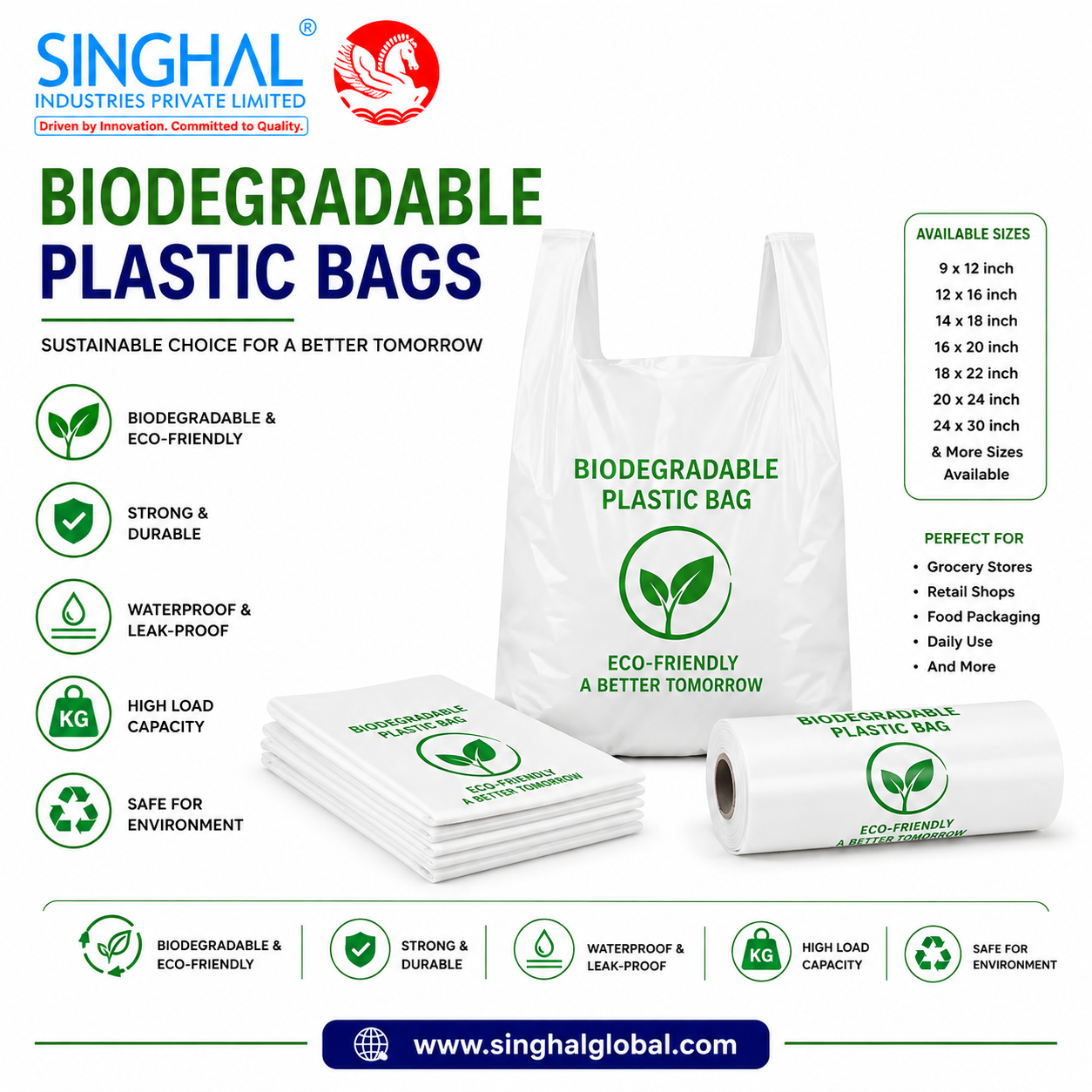
Biodegradable plastic bags are becoming an increasingly popular choice for retailers globally. These bags offer high strength and lightweight properties, and have been developed with the ability to degrade under commercial composting environments. Retailers may find that there is a range of suitable applications for biodegradable plastic bags. When looking to purchase these types of bags, it would be beneficial to contact a reputable Biodegradable Plastic Bags Manufacturer to assist in selecting the most appropriate bag for each specific need.
What Are Biodegradable Plastic Bags?
Biodegradable plastic bags are composed of plant based material (such as starch) which is designed to degrade under composting conditions. These bags can be used for packaging and transporting goods in a retail setting.
Simple bags? Well, yes, but they are also much more than just simple bags. A quality biodegradable plastic bag will help keep products free from moisture, chemicals, and damage. As a result, there are many different uses for these types of bags.
Benefits of Biodegradable Plastic Bags
Biodegradable plastic bags have a major advantage over regular plastic bags: they can decompose in compost. This has significant implications for retailers, since the reduction in landfilled waste would be considerable. Additionally, they are lightweight and therefore easy to use and move.
They are also resistant to moisture and chemical agents, which make them ideal for packaging goods requiring protection. In addition, this could lead to cost savings over time. However, biodegradable plastic bags are not a panacea; they must be utilized and maintained correctly.
Uses in Retail Applications
Biodegradable plastic bags have become popular throughout the world of retail. From grocery shopping, to buying clothes at a boutique, to picking up your prescription from the pharmacy, biodegradable plastic bags can be found being utilized as a form of product containment and transportation. In addition, biodegradable plastic bags are also utilized when shipping items requiring protection against both moisture and chemical contamination.
They are particularly good for use in environments that have both high humidity and/or big swings in temperature. The bags keep products safe from moisture, chemical attack and other forms of damage.
Applications in Retail Applications
Biodegradable plastic bags can be seen at work in the world of retail. When shopping for groceries, you will find that biodegradable plastic bags are used to package and carry your items. Likewise, when shopping for clothes, you will see biodegradable plastic bags being used to package and carry those clothes.
They are also used in logistics and transportation. For example, they are used for packaging and shipping large quantities of goods. This is why they are essential to improving the efficiency of the retail sector.
Benefits in Retail Applications
Biodegradable plastic bags can be found at grocery stores and other types of retailers. Biodegradable plastic bags can be used to pack and ship products which require protection
against moisture and chemical exposure.
The use of these types of bags can be particularly beneficial for organizations that have their operations located in regions where there is a lot of humidity or frequent fluctuations in temperatures. The purpose of using these bags is to safeguard products against moisture, chemical exposure, and physical damage.
Choosing the Right Biodegradable Plastic Bag
The buyer should look at the type of material used for the bag, its physical size, how much weight it can carry, and where they intend to use it. A bag that is too big will be wasteful and more difficult to use. A bag that is too small won't have the capacity needed. Finding the correct balance is critical.
Singhal Industries Private Limited is a reliable Biodegradable Plastic Bags Manufacture, providing buyers with biodegradable plastic bags that can be used in retail settings. Additionally, buyers should take into consideration the warranty length and the amount of UV protection provided, as both of those characteristics determine the lifespan of the bag.
Cost and Sustainability
Biodegradable plastic bags are usually low-cost, however, their price depends upon several factors such as material used, bag size, and whether they have been customized. To receive the most value, buyers must find a balance between price and quality.
Sustainability has been growing in importance. Many of the biodegradable plastic bags are able to be recycled, but some of the other biodegradable plastic bags could be made using recycled materials. Consumers need to look at what the environmental impact would be of each type of bag, as well as how they plan on disposing of it, prior to purchasing a bag.
Conclusion
Biodegradable plastic bags offer a variety of benefits to retailers. Biodegradable plastic bags provide protection from moisture, chemical, and physical damage. Retailers can customize their biodegradable plastic bags based upon their specific needs. Whether you work as a retailer, farmer, or logician; selecting the appropriate biodegradable plastic bag will enhance your ability to keep products safe and efficient. Singhal Industries Private Limited produces biodegradable plastic bags for all three areas.
Frequently Asked Questions
Q1. What are biodegradable plastic bags used for in retail applications?
Biodegradable plastic bags can be found at grocery stores, clothing retailers, and drugstores. Biodegradable plastic bags have many uses in the retail industry, agricultural industry, and logistics industry.
Q2. Are biodegradable plastic bags strong enough for heavy-duty applications?
Yes, biodegradable plastic bags are available in various sizes and load-bearing capacity for use in high-stress environments such as those found in retail environments, agricultural environments, and logistics environments.
Q3. Can biodegradable plastic bags be recycled?
Yes, there are several types of biodegradable plastic bag that can be processed through recycling programs. Before buying these bags, consumers need to find out what type of recycling program is available where they live and then make sure that all the bags being disposed of have been cleaned and dried.
Q4. What materials are used to make biodegradable plastic bags?
Biodegradable plastic bags are generally manufactured using plant-based ingredients (starch). The ingredients used to produce biodegradable plastic bags have a high level of strength, durability and resistance to moisture and chemical substances.
Q5. Who is the largest Exporters of Biodegradable Plastic Bags?
In general, there is not one world-wide accepted "largest exporter" of biodegradable plastic bags; however, there are many factors which can determine how countries rank in exporting biodegradable plastic bags. Some of these factors include: location of the country, what types of products are being produced (i.e. grocery bags versus food packaging), how much of each product is being produced, and when the data was collected. Singhal Industries Private Limited is a well-known manufacturer, supplier, and exporter of biodegradable plastic bags and other packaging materials within India.

 English
 French
 Spanish
 Portuguese
 Deutsch
 Turkish
 Dutch
 Italiano
 Russian
 Romaian
 Portuguese (Brazil)
 Greek