
Deemak Treatment: Protect Your Home and Furniture from Hidden Termite Damage
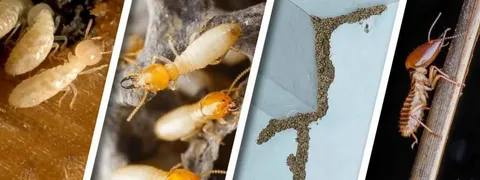
Introduction to Deemak Treatment
Deemak is a common problem in homes, offices, shops, and commercial buildings. These tiny insects, commonly known as termites, can damage wooden furniture, doors, cupboards, flooring, and other materials containing cellulose. The biggest concern is that deemak often remains hidden inside wood or behind walls, allowing damage to continue before anyone notices it. Effective deemak treatment helps control termite activity, protect valuable property, and reduce the risk of further damage.
Many property owners notice the problem only after finding hollow wood, small mud tubes, damaged furniture, or discarded termite wings. By this stage, the infestation may have spread beyond the area where the first signs appeared. Understanding how termites behave, recognizing early warning signs, and choosing an appropriate treatment method can help you manage the problem more effectively.
What Is Deemak and Why Does It Attack Wooden Structures?
Deemak refers to termites that feed on cellulose, a natural material found in wood, paper, cardboard, and other plant-based products. Termites live in colonies and can remain active for long periods without being easily noticed. Some species build underground colonies, while others establish themselves in suitable wooden materials.
Termites are attracted to places where they can find food, moisture, and shelter. Damp walls, leaking pipes, poorly ventilated storage areas, and untreated wooden materials may create favorable conditions for certain termite species. However, termites can also attack buildings that appear clean and well-maintained.
Once termites gain access to a property, they may travel through concealed spaces and feed on wooden structures from the inside. This makes professional inspection and timely treatment important for identifying the source of the infestation.
Common Signs That Your Property Needs Deemak Treatment
Recognizing the early signs of termite activity can help prevent extensive damage. One common warning sign is wood that sounds hollow when gently tapped. Termites may consume the inner portion of wooden materials while leaving a thin outer layer intact, making the damage difficult to notice during an ordinary visual inspection.
Another sign is the presence of mud tubes along walls, foundations, wooden beams, or other surfaces. Certain termites build these narrow tunnels to maintain a protected environment while moving between their colony and food sources. Finding discarded wings near windows, doors, or light sources may also indicate termite activity, particularly during swarming periods.
You may also notice blistered paint, damaged wooden edges, loose panels, or doors and windows that no longer fit properly. These signs can have other causes, including moisture damage, so a professional inspection is useful for determining whether termites are responsible.
Why Timely Deemak Treatment Is Important
Delaying termite treatment can allow an infestation to become more difficult to manage. Since termites frequently feed inside wooden materials, the visible surface may not show the full extent of the damage. A small affected area can sometimes indicate a larger hidden problem nearby.
Termite damage may weaken furniture, door frames, cupboards, wooden flooring, and other building components. In severe cases, prolonged activity can affect important structural wooden elements. Repairing damaged materials may also become more complicated when the infestation remains active.
Timely treatment helps identify affected areas and determine the measures needed to control the termites. It also gives property owners an opportunity to address contributing conditions, such as persistent moisture and entry points, before the problem spreads further.
Different Methods Used for Deemak Treatment
The most suitable deemak treatment depends on the termite species, the location of the colony, the building structure, and the extent of the infestation. There is no single method that works equally well for every property. A proper inspection helps determine which treatment approach is appropriate.
Liquid termiticide treatments may be used in selected areas to establish a treated zone that helps control termites moving through those locations. The application method depends on the product, the type of construction, and whether the infestation is associated with soil, walls, or wooden materials.
Baiting systems may also be used for certain termite problems. These systems rely on termites finding and feeding on a suitable bait that can affect the colony over time. Their effectiveness depends on correct placement, termite activity, and ongoing monitoring.
For localized infestations, professionals may recommend targeted treatment of affected wooden components or concealed areas. In every case, the method should be selected according to the actual problem rather than applying chemicals unnecessarily throughout the property.
Pre-Construction Deemak Treatment for New Buildings
Pre-construction deemak treatment is an important preventive measure for buildings that have not yet been completed. During construction, the soil and relevant building areas can be assessed and treated according to the selected termite management plan.
This treatment is generally considered before flooring and other construction components cover areas that may become difficult to access later. The purpose is to reduce the likelihood of termites entering the building from the surrounding soil or gaining access through vulnerable points.
Proper construction practices also contribute to termite prevention. Builders should pay attention to soil conditions, drainage, moisture control, and contact between untreated wood and the ground. Any chemical treatment must follow the product label and applicable safety requirements.
Planning termite protection early can make future maintenance easier and reduce the need for disruptive treatment after the building is occupied.
Post-Construction Deemak Treatment for Existing Properties
Existing homes and commercial buildings may require post-construction treatment when termites are discovered after occupancy. The first step is to inspect the property and determine how termites may be entering, where they are active, and which materials have been affected.
Treatment may involve carefully selected applications around foundations, affected walls, wooden fixtures, or other relevant areas. Depending on the building, professionals may need to inspect concealed spaces, service openings, and locations where moisture accumulates.
Post-construction treatment requires careful planning because occupied buildings contain furniture, electrical systems, plumbing, food items, and personal belongings. The service provider should explain the work involved and any preparation or temporary access restrictions required.
After treatment, monitoring and follow-up inspections may be recommended to assess the results and identify any continuing termite activity.
Deemak Treatment for Wooden Furniture and Cupboards
Wooden furniture is particularly frustrating to lose to termite damage because cupboards, beds, tables, shelves, and cabinets may hold both financial and personal value. Termites can enter through concealed joints, the underside of furniture, wall contact points, or nearby infested materials.
If you notice powder-like debris, damaged wooden surfaces, or hollow sections, avoid assuming that the problem is limited to the visible area. The source may be inside the furniture or elsewhere in the building.
Professional furniture-related treatment begins with identifying the affected materials and checking for nearby termite activity. Depending on the condition of the wood, targeted treatment may be possible, but severely damaged furniture might require repair or replacement.
Keeping wooden items dry, inspecting second-hand furniture before bringing it indoors, and avoiding direct contact between vulnerable wood and damp surfaces can help reduce the risk of future infestations.
Professional Deemak Treatment Versus Home Remedies
Many people try household sprays, oils, or other home remedies when they first discover deemak. Although some approaches may affect individual insects or provide limited localized results, they may not reach the hidden colony or resolve the source of the infestation.
Termites can remain active behind walls, beneath floors, and inside wooden structures. Treating only the visible insects may leave much of the infestation untouched. Repeated use of unsuitable chemicals can also expose occupants to unnecessary risks or damage sensitive surfaces.
Professional termite management focuses on inspection, identification, suitable treatment, and prevention. Trained technicians can assess the likely extent of the problem and recommend a method appropriate for the building.
For established infestations, professional assessment is generally more reliable than depending entirely on household remedies, particularly when important wooden components or concealed areas may be affected.
How to Prevent Deemak from Returning
Preventing future termite activity requires attention to the conditions that support infestation. Moisture management is especially important because some termite species depend on damp environments or use moisture-protected routes to reach their food sources.
Repair leaking taps, pipes, and drainage problems as soon as possible. Keep basements, storage rooms, and other vulnerable spaces appropriately ventilated. Remove unnecessary cardboard, paper, and wood debris from areas around the building, especially where these materials remain damp or touch the ground.
Inspect wooden doors, cupboards, window frames, and storage furniture periodically. Seal suitable gaps around building openings where appropriate, and ensure that drainage directs water away from the foundation. Avoid allowing soil or landscaping materials to conceal areas that need regular inspection.
These steps cannot guarantee that termites will never return, but they can reduce favorable conditions and help make new activity easier to detect.
Choosing the Right Deemak Treatment Service
Choosing a suitable termite treatment provider is an important decision when protecting a property. A reliable service should begin by examining the affected areas rather than recommending the same treatment for every building.
The provider should explain the likely source of the infestation, the proposed treatment method, and the precautions required before and after the work. It is also helpful to ask whether follow-up inspections are necessary and what signs should be monitored after treatment.
Responsible application is essential, especially in homes with children, pets, or people who may be sensitive to chemical products. Any treatment should follow the manufacturer's instructions and relevant safety requirements. Property owners should receive clear guidance about re-entry, ventilation, cleaning, and other precautions when applicable.
Selecting a service based on its inspection process, communication, and treatment suitability can help you make a more informed decision.
Deemak Treatment for Homes, Offices, and Commercial Buildings
Termite problems can affect many different types of properties. Homes may experience damage to bedroom furniture, kitchen cabinets, doors, and wooden flooring. Offices may face problems with desks, storage units, partitions, and other wooden fixtures. Shops and warehouses may discover termite activity in shelving, packaging, or stored materials.
Each setting requires an approach suited to its layout and use. Residential treatment must consider household routines and personal belongings, while commercial treatment may need to accommodate employees, customers, equipment, and stored goods.
A detailed inspection helps determine the areas requiring attention and whether preventive measures should be introduced elsewhere on the property. Regular monitoring can be particularly valuable in buildings with previous termite problems or conditions that encourage moisture accumulation.
Conclusion: Protect Your Property with Effective Deemak Treatment
Deemak can cause hidden damage to furniture, wooden fixtures, and building components if the infestation remains untreated. Recognizing the warning signs, understanding the available treatment methods, and addressing the conditions that attract termites are essential steps in protecting your property.
Effective deemak treatment starts with a proper inspection and a method suited to the type and extent of the infestation. Whether termites are affecting a home, office, shop, or newly constructed building, timely professional attention can help control the problem and reduce the risk of further damage.
By combining suitable treatment with moisture control, regular inspections, and practical preventive measures, property owners can take a proactive approach to termite management and keep their surroundings better protected over time.

 English
 Arabic
 French
 Spanish
 Portuguese
 Deutsch
 Turkish
 Dutch
 Italiano
 Russian
 Romaian
 Portuguese (Brazil)