
Comprehensive Guide to Dental Implant Tools
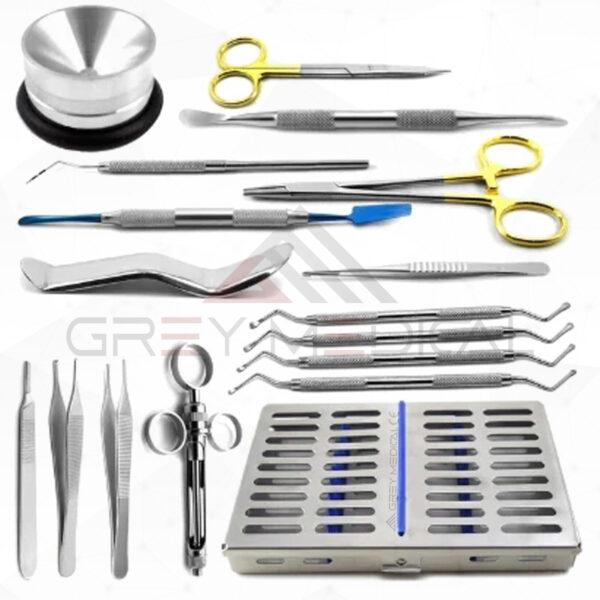
In modern dentistry, achieving optimal surgical outcomes and patient comfort depends heavily on high-precision equipment. Professional practitioners rely on specialized instruments engineered specifically for dental implantology to perform tooth replacement procedures with accuracy. Selecting top-tier dental implant tools ensures that every stage of the procedure, from initial incision to final prosthetic placement, runs smoothly.
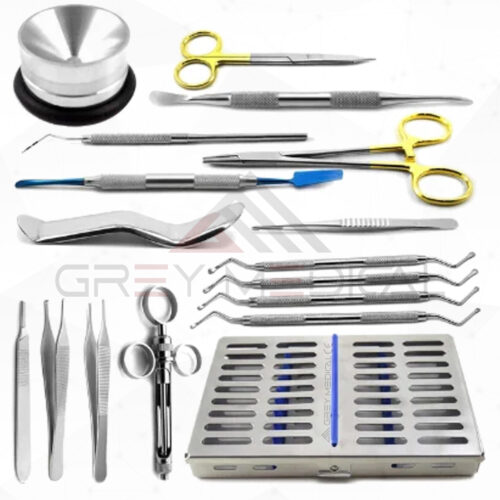
Diagnostic and Preparation Equipment
The success of any implant procedure begins long before the actual titanium post is placed into the jawbone. Surgeons must utilize specialized diagnostic devices, tissue punches, and scalpels to prepare the surgical site accurately while preserving healthy soft tissue. Incorporating premium dental implant tools during site preparation reduces surgical trauma and sets the foundation for stable osseointegration and predictable healing outcomes.
Drilling Systems and Osteotomy Tools
Creating the precise osteotomy socket requires dedicated surgical drills, drill taps, and depth gauges that work in total harmony. Precision drills operating at controlled speeds allow clinicians to prepare the bone site without causing thermal damage to the surrounding bone structure. Premium dental implant tools used in mau osteotomy design feature laser-etched depth markings that allow clinicians to monitor insertion depth continuously and maintain complete control throughout the bone-cutting process.
Placement and Torque Wrench Instruments
Once the osteotomy site is fully prepared, the physical implant fixture must be inserted with exact torque levels. Clinicians utilize driver tips, ratchet adapters, and calibrated torque wrenches to ensure proper primary stability without over-tightening or stressing the host bone. Utilizing high-performance dental implant tools for placement allows practitioners to achieve exact tactile feedback, guaranteeing accurate fixture seating and long-term stability.
Prosthetic and Abutment Placement Tools
Following successful integration, the final restoration phase requires a dedicated set of prosthetic drivers, hex keys, and abutment holders. These specialized instruments allow dentists to securely attach abutments and custom crowns to the implant post with maximum precision. High-grade dental implant tools engineered for prosthetic placement minimize micro-gaps, prevent screw loosening, and ensure seamless esthetic results for the patient.
Sterilization and Care of Dental Instruments
Maintaining the longevity and hygiene of surgical equipment is critical for patient safety and clinical efficiency. High-quality surgical instruments must undergo thorough cleaning, ultrasonic bath treatments, and autoclaving protocols after every procedure. Medical-grade stainless steel construction ensures that dental instruments withstand frequent high-temperature sterilization cycles without corroding or losing their structural integrity over time.
Conclusion
Investing in superior surgical equipment is essential for any dental practice aiming for excellence in restorative procedures. From site preparation and osteotomy creation to final prosthetic placement, reliable equipment enhances surgical efficiency, improves clinical accuracy, and supports patient satisfaction. Partnering with trusted manufacturers like Grey Medical ensures your clinic remains equipped with durable, ergonomically designed instruments crafted for long-term surgical success.

 English
 Arabic
 French
 Spanish
 Portuguese
 Deutsch
 Dutch
 Italiano
 Russian
 Romaian
 Portuguese (Brazil)
 Greek