
PU Material Shoes: Benefits, Features and Uses in Modern Footwear
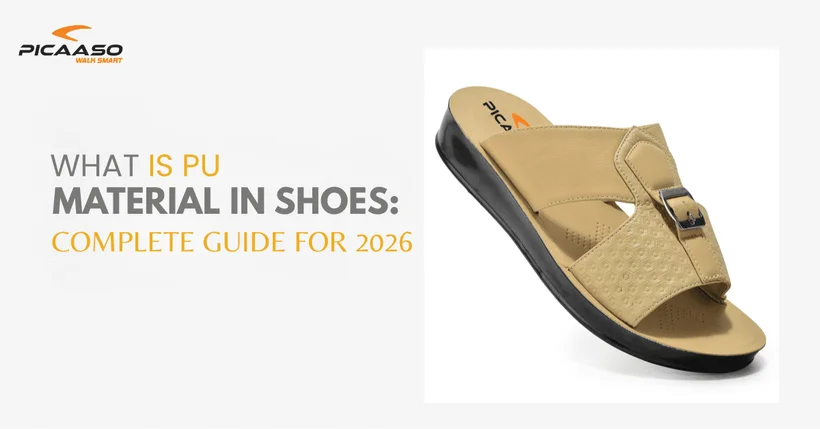
Footwear materials play an important role in determining the comfort, flexibility, weight and durability of a product. Among the different materials used in footwear manufacturing, polyurethane (PU) is a popular choice for making soles and other footwear components. PU material shoes are widely used across different footwear categories because of their versatility and practical properties.
1. What Is PU Material in Shoes?
PU stands for polyurethane, a polymer material used in footwear manufacturing. It is commonly used to produce shoe soles because it can offer flexibility, cushioning and resistance to everyday wear. Depending on its formulation and manufacturing process, PU can be designed with different densities and physical properties.
2. Major Benefits of PU Material Shoes
PU offers several features that make it useful in footwear production.
-
Lightweight: Many PU formulations provide a lighter alternative to conventional rubber materials.
-
Flexibility: PU soles can offer flexibility for different footwear designs.
-
Cushioning: Certain PU formulations provide cushioning for everyday comfort.
-
Abrasion Resistance: PU can offer resistance to surface wear, depending on its composition.
-
Design Versatility: Manufacturers can use PU in different sole shapes, thicknesses and footwear styles.
3. What Is a PU Outsole?
A PU outsole is the bottom layer of footwear that comes into contact with the ground. It is manufactured using polyurethane and can be designed to provide a combination of cushioning, flexibility and wear resistance.
The performance of a PU outsole depends on factors such as material density, sole thickness, tread pattern and manufacturing quality. This makes material selection important when developing footwear for different applications.
4. Where Is PU Material Used in Footwear?
PU is used in various footwear categories, including casual shoes, formal footwear, work footwear and selected sandal designs. Manufacturers choose different PU formulations depending on the intended purpose and performance requirements of the product.
5. Choosing the Right Footwear Manufacturer
Before purchasing PU material shoes in bulk, businesses should evaluate material quality, product finishing, sole construction, pricing and minimum order quantities. Working with an experienced manufacturing partner can help wholesalers and retailers source products according to their market requirements.
Picaaso Footwear is an Indian footwear brand offering slippers, sandals, flip-flops and clogs for wholesalers, retailers and distributors. Businesses interested in bulk footwear sourcing and private label opportunities can explore Picaaso shoes.
Conclusion
PU is a versatile material used in modern footwear manufacturing. Its flexibility, cushioning properties and design possibilities make it suitable for different footwear applications. Understanding PU material and its features helps businesses make informed sourcing decisions and select products that match customer expectations.

 English
 Arabic
 French
 Spanish
 Portuguese
 Deutsch
 Turkish
 Dutch
 Italiano
 Russian
 Romaian
 Portuguese (Brazil)