
Inside family office abu dhabi and Modern Wealth Planning
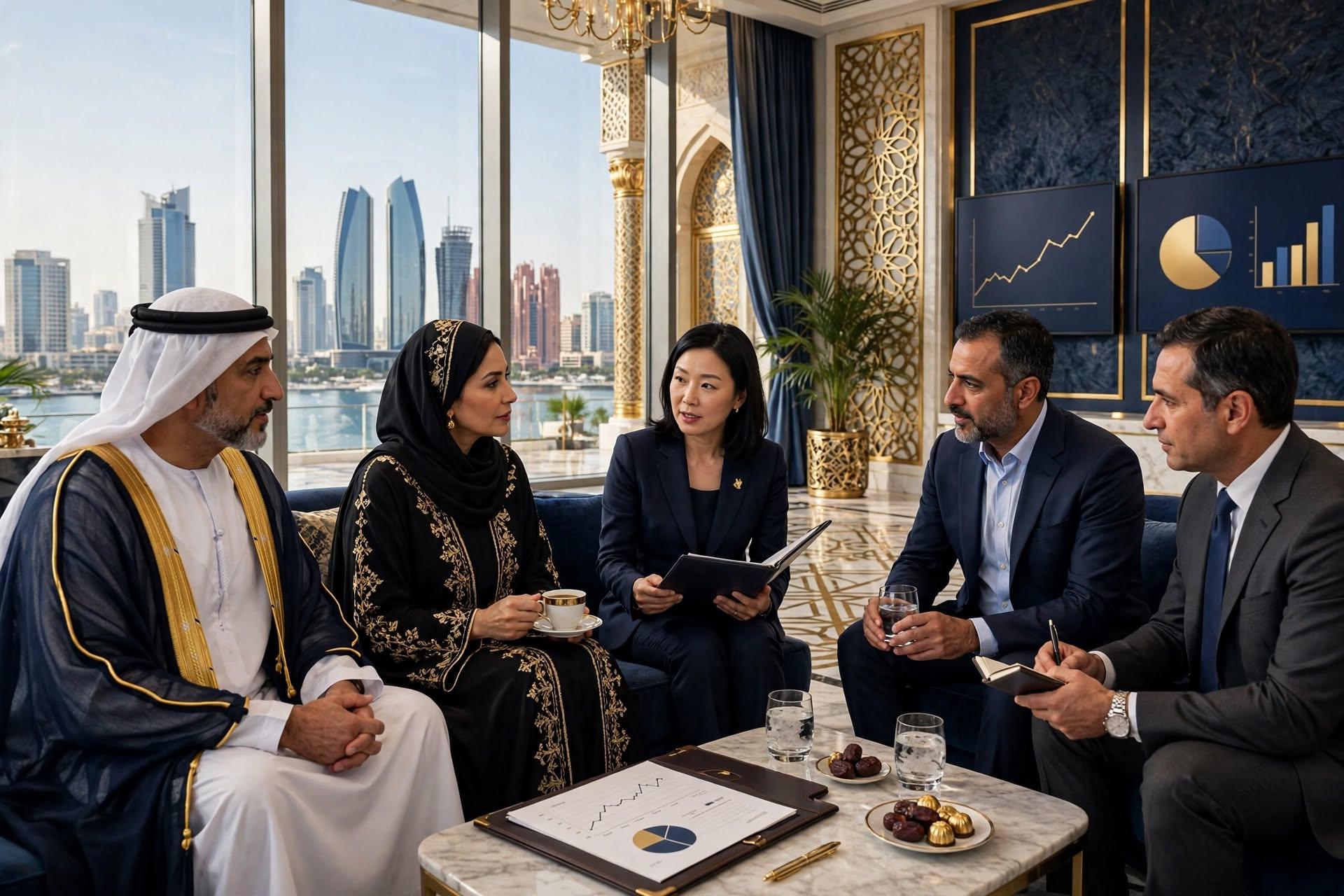
Wealth management becomes more demanding when a family owns several businesses, properties, and investments across different markets. Keeping track of financial performance, legal responsibilities, and future ownership arrangements requires careful coordination. Understanding family office abu dhabi can help families explore how professional wealth structures support financial organisation, investment oversight, and long-term planning in the UAE.
Abu Dhabi has an established business community that includes family-owned companies, institutional investors, financial professionals, and international organisations. These groups contribute to an environment where families can access different areas of expertise and discuss their financial priorities with experienced professionals.
A family office generally provides a coordinated approach to managing family affairs. Some offices concentrate mainly on investments, while others also coordinate accounting, legal matters, property administration, governance, and succession planning. The services depend on the family's requirements and the structure it chooses.
For families with complicated financial arrangements, coordination can be particularly valuable. Different advisers may be responsible for different assets, but without a shared process, information can become fragmented. A central management structure helps bring important financial information together and makes it easier to review decisions.
Creating a Practical Strategy for Investment Management
Investment management is one of the most important responsibilities associated with family wealth. Families need to decide how much capital should be allocated to different assets, how much risk they can accept, and how their investments support their future objectives.
A clear investment policy can help establish these priorities. It may explain the family's preferred asset classes, investment time horizon, liquidity requirements, risk limits, and approval procedures. Such a framework can make decision-making more consistent, particularly when several family members participate.
Portfolio diversification is another important consideration. Depending on their objectives, families may hold public equities, bonds, real estate, private equity, venture capital, infrastructure investments, and other assets. Each category behaves differently and requires an appropriate evaluation process.
Real estate, for example, can provide rental income and long-term ownership opportunities. However, property investments also involve maintenance, financing, market fluctuations, and liquidity considerations.
Private equity involves investing in privately owned businesses, sometimes with the intention of supporting operational improvements or expansion. Venture capital focuses on younger companies with growth potential, although early-stage businesses can carry considerable uncertainty.
A professional investment process should consider:
-
The financial condition of the investment.
-
The experience of the management team.
-
The expected holding period.
-
Potential losses and liquidity restrictions.
-
Legal and ownership arrangements.
-
Fees and other financial obligations.
-
How the investment fits into the wider portfolio.
Families should review performance regularly rather than assuming that an investment will remain suitable indefinitely. Changing market conditions and family priorities may require adjustments to the overall strategy.
Governance, Succession and the Next Generation
Managing wealth across generations requires more than financial expertise. Families also need clear communication, agreed responsibilities, and a framework for making decisions.
Governance helps establish how family members participate in important matters. A family constitution, investment committee, or documented decision-making policy can explain responsibilities and reduce confusion.
For example, one family member may manage an operating business, while another oversees investment activities. Without clear boundaries, disagreements can develop over capital allocation, leadership, and the use of family assets.
Succession planning should begin well before a leadership transition becomes necessary. Younger family members need time to understand financial responsibilities, learn how businesses operate, and develop the experience required to make informed decisions.
A practical succession process may include:
-
Identifying future leadership responsibilities.
-
Preparing younger members through education and experience.
-
Reviewing ownership and inheritance arrangements.
-
Documenting family values and long-term objectives.
-
Establishing a process for resolving disagreements.
-
Coordinating with qualified legal and tax professionals.
This is also why Networking events in dubai can be relevant to families interested in meeting experienced business leaders, governance specialists, and investment professionals. Conversations with people who have managed similar challenges can provide useful perspectives.
The Role of Family Office Summit in Abu Dhabi
family office abu dhabi brings together family offices, family holding companies, investors, and selected professional partners through organised conferences and networking activities.
Its Abu Dhabi programme covers a wide range of topics connected with modern wealth management. These include family office development, next-generation leadership, private equity, venture capital, governance, risk management, digital assets, healthcare, and real estate.
The agenda combines interactive panels with networking opportunities. Participants can learn from professionals working in investment management and family businesses while exchanging ideas during organised breaks.
FO Club extends this approach through smaller private gatherings. Its formats include breakfast roundtables, business lunches, private dinners, and other selected networking activities for single family offices and family holding companies.
FO NextGen focuses on younger family leaders and discussions about innovation, entrepreneurship, digital transformation, and family legacy. This gives future decision-makers an opportunity to engage with subjects that may influence their responsibilities.
Families interested in professional connections can also explore business events abu dhabi to understand the wider investment community and meet relevant industry participants.
These platforms create opportunities for learning and relationship-building. They should not, however, be mistaken for a guarantee of investment returns or a substitute for independent professional advice.
Conclusion
Modern family wealth management requires a combination of financial planning, investment oversight, governance, and preparation for future generations. Families should choose a structure that reflects their actual needs and review it as their circumstances change. Abu Dhabi offers an environment where family businesses and investment professionals can exchange knowledge and develop relationships. Exploring business events abu dhabi can help participants understand relevant industry developments and connect with people who work in the family wealth sector. Strong planning and clear communication remain essential for protecting a family's long-term interests.
FAQs
1. What responsibilities can a family office manage?
Depending on its structure, it may coordinate investments, financial reporting, property administration, legal matters, tax planning, governance, and succession arrangements.
2. How does investment planning benefit wealthy families?
It helps families define financial objectives, understand risk, organise assets, and make investment decisions based on a consistent strategy.
3. Why should families create governance policies?
Governance policies clarify responsibilities, establish decision-making procedures, and reduce misunderstandings when multiple family members are involved.
4. How can younger family members prepare for leadership?
They can develop financial knowledge, gain business experience, participate in family discussions, and learn about investment and governance responsibilities.
5. What is the benefit of attending family office conferences?
Conferences provide opportunities to learn from industry professionals, discuss investment trends, and develop relationships with relevant business participants.

 Arabic
 French
 Spanish
 Portuguese
 Deutsch
 Turkish
 Dutch
 Italiano
 Russian
 Romaian
 Portuguese (Brazil)
 Greek