
Bone Rasps: Simple Medical Instruments for Smooth, Precise Bone Shaping
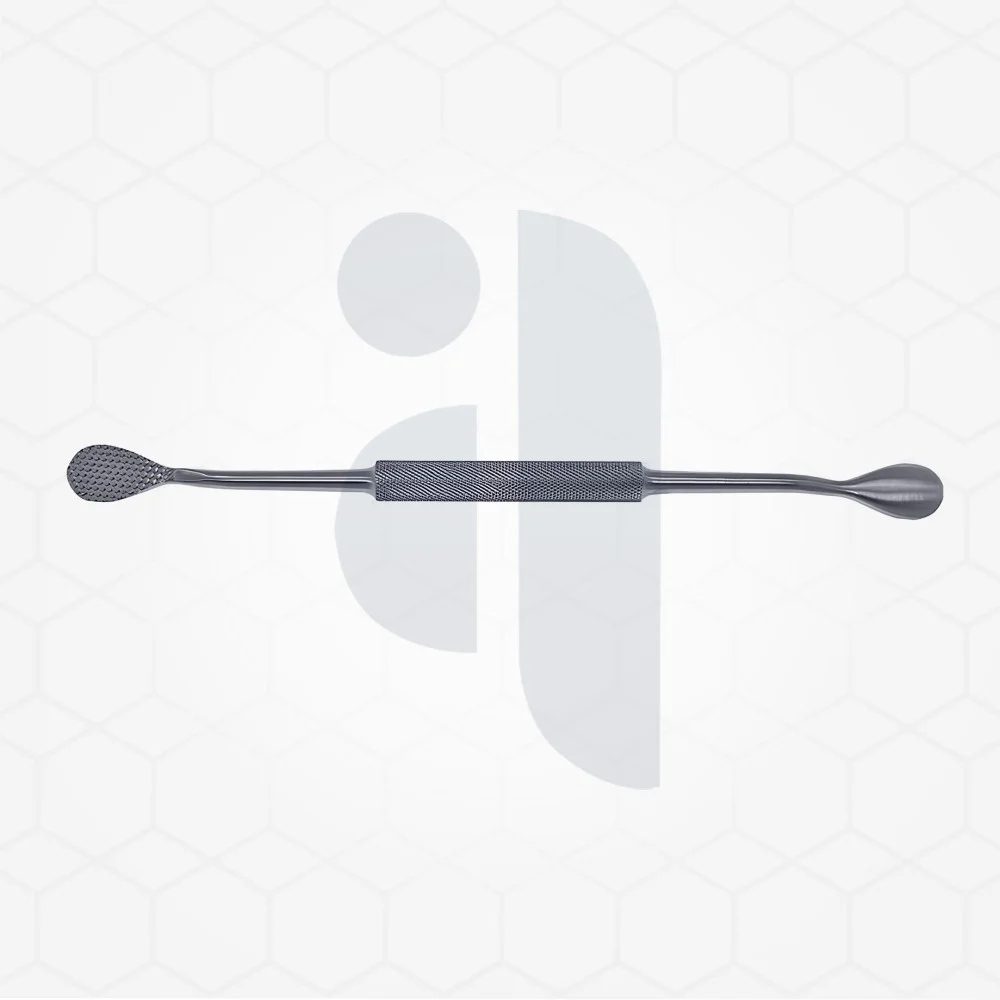
Some days in the OR, the big cuts go just fine. It's the finishing work that takes patience. Maybe it's a sharp bone edge, a small ridge that won't sit right, or a surface that needs a little more shaping before you can close. That's where bone rasps come in. They're simple medical instruments, but they make a real difference in how clean your results look and feel.

What These Medical Instruments Are Built to Do
Bone rasps are surgical instruments with a textured, file-like working surface that lets you smooth, contour, and refine bone. Unlike a saw or osteotome, a rasp removes bone gradually, a little at a time. That gives you control. You can shape, check, and shape again without taking off more than you planned. Most come in flat, round, half-round, and curved patterns, with fine or coarse teeth depending on how much bone you need to remove.
This isn't about speed. It's about control and a clean, even surface.
Where They Fit in Surgery
You'll find bone rasps in orthopedic, plastic, neuro and spine, and dental procedures. Orthopedic surgeons use them to smooth bone ends after cuts and prepare surfaces for implants. In rhinoplasty, a nasal rasp helps refine the dorsal hump with careful, gradual strokes. Spine surgeons rely on them to tidy bone edges and prepare fusion sites. Oral surgeons use smaller rasps to smooth alveolar ridges after extractions.
The tasks change from case to case. The goal doesn't. You want a smooth surface and healthy tissue around it.
Why Quality Really Matters
A rasp with dull, uneven teeth just doesn't cut well. It drags, clogs, and makes you work harder for less. Well-made bone rasps have sharp, consistent teeth that bite cleanly, plus balanced handles that give you a steady grip through repeated strokes. That means less hand fatigue and more predictable results.
Choosing and Caring for Your Rasps
When you're choosing bone rasps, think about the procedures you perform most. Look at size, tooth pattern, working-end shape, and handle comfort. A fine-toothed rasp works well for delicate facial work, while coarser teeth suit larger orthopedic jobs. If you can, hold a few before you decide. Your hands will tell you a lot.Care is easy. Brush the teeth clean right after use to clear bone debris, since packed teeth won't cut well.
AzeeMed: Over Two Decades of Trusted Craftsmanship
At AzeeMed, we focus on making surgical instruments of the highest quality for the medical community around the globe. With more than twenty years of experience, we supply instruments for plastic, dental, ophthalmic, neuro and spine, and orthopedic surgeries. Our kielland forceps image are made with that same care, built for real operating rooms and the surgeons who work in them.
Conclusion
Bone shaping is detailed, careful work, and you shouldn't have to fight your instruments to get it right. Reliable tools make each step smoother and long surgical days a little easier. With AzeeMed bone rasps, you get sharp, dependable medical instruments backed by over two decades of surgical expertise. Explore our full surgical range today and find the instruments your team can count on, case after case.

 English
 Arabic
 French
 Spanish
 Portuguese
 Deutsch
 Turkish
 Dutch
 Russian
 Romaian
 Portuguese (Brazil)
 Greek