
How Spinal Decompression Therapy Can Help Relieve Back Pain
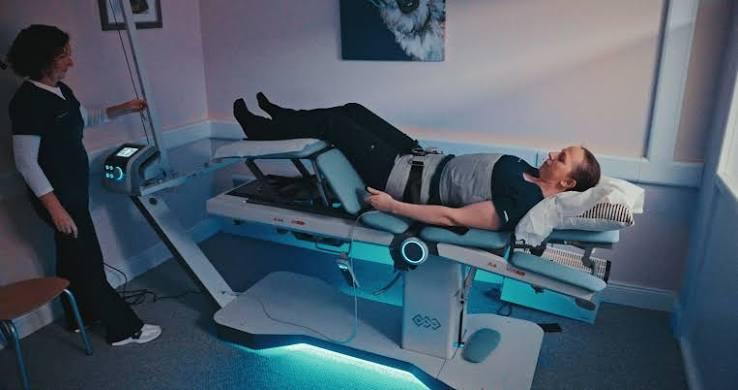
Back pain can make everyday activities surprisingly difficult. Sitting through a workday, bending to pick something up, driving, or getting a comfortable night's sleep may become frustrating when discomfort persists. While some episodes improve with time and conservative care, ongoing symptoms may require a more targeted approach. Spinal Decompression Therapy is one treatment option that may be considered for certain causes of back pain, particularly when symptoms are associated with spinal discs or irritated nerves.
This therapy is designed to apply controlled stretching forces to the spine using specialized equipment or, in some cases, manual techniques. Depending on the method and the underlying condition, the goal is to reduce discomfort and support better movement. However, results vary, and not every person with back pain is a suitable candidate.
Understanding how spinal decompression works, what the evidence suggests, and when professional assessment is necessary can help you make a more informed decision about your treatment options.
What Is Spinal Decompression Therapy?
Spinal decompression refers to techniques intended to reduce pressure or loading on certain spinal structures. The term can describe different approaches, including surgical decompression and non-surgical treatments.
Non-surgical spinal decompression typically uses a motorized table that gently stretches and relaxes the spine according to a programmed treatment cycle. Some providers also use manual traction techniques.
The aim is to create controlled changes in spinal loading that may temporarily reduce pressure on sensitive structures. Providers may recommend this approach for selected patients with back pain related to disc problems, although the effectiveness of mechanical decompression specifically remains uncertain.
It is important to distinguish non-surgical decompression from surgery. Surgical decompression involves an operation to relieve pressure on nerves or other structures, whereas non-surgical therapy does not involve an incision.
How Spinal Decompression Therapy May Help Relieve Back Pain
Back pain can have several causes, including muscle strain, joint irritation, disc-related conditions, and nerve compression. Spinal decompression may be considered in certain cases, but treatment should be selected according to the underlying problem.
1. Addressing Certain Disc-Related Symptoms
Spinal discs are cushion-like structures between the vertebrae. They help distribute loads and allow the spine to move. Age-related changes, injury, or other factors can contribute to disc bulges or herniations.
When a disc-related condition irritates a nearby nerve, symptoms may include back pain, tingling, numbness, or pain that travels into the buttock or leg.
Non-surgical decompression is intended to alter the forces acting on the spine. Some patients report symptom improvement, but high-quality evidence has not established that motorized spinal decompression consistently produces better results than other conservative treatments.
A professional evaluation can help determine whether decompression is reasonable or whether another approach, such as exercise-based rehabilitation, is more appropriate.
2. Supporting Comfortable Movement
Persistent back pain can lead people to avoid bending, walking, or other everyday movements. Although avoiding activities that sharply aggravate symptoms can be sensible, prolonged inactivity may contribute to reduced strength and physical conditioning.
For suitable patients, a decompression program may be combined with mobility exercises, strengthening, and advice on gradually resuming normal activities.
For example, an office worker experiencing recurring lower back discomfort may benefit from a broader plan involving movement breaks, walking, appropriate exercises, and adjustments to prolonged sitting. Decompression, if indicated, would be one part of that plan rather than the entire solution.
3. Managing Symptoms Associated With Nerve Irritation
Some spinal conditions can irritate or compress nerves, producing pain that travels from the lower back into the leg. This pattern is often described as sciatica, although several conditions can cause similar symptoms.
A provider may consider non-surgical decompression after evaluating the patient's symptoms and medical history. However, the treatment is not a guaranteed way to relieve nerve compression, and evidence for its effectiveness remains limited.
New or progressive weakness, significant numbness, or difficulty walking requires prompt medical evaluation. Loss of bladder or bowel control or numbness around the groin or saddle area requires emergency assessment.
Who May Be a Candidate for Spinal Decompression?
Non-surgical decompression may be discussed for certain people with persistent back pain or selected disc-related symptoms after an appropriate examination.
Before recommending treatment, a qualified healthcare professional should consider:
-
The location, duration, and severity of the pain
-
Whether symptoms spread into the legs
-
Medical history and previous injuries
-
Findings from the physical examination
-
Whether imaging is clinically indicated
-
Previous treatments and their results
-
Conditions that may make traction or decompression unsuitable
Spinal decompression is not appropriate for everyone. Depending on the technique, caution or avoidance may be necessary for people with certain fractures, spinal instability, severe osteoporosis, some tumors or infections, or other serious conditions.
Pregnancy, previous spinal surgery, and implanted medical devices may also affect treatment suitability. Patients should disclose relevant medical information and ask about alternatives before beginning care.
What to Expect During a Spinal Decompression Session
The process varies by provider and equipment, but a non-surgical session commonly involves lying on a specialized table while a device applies controlled pulling and relaxation forces.
Initial Evaluation
The provider reviews your symptoms, medical history, and physical function. The purpose is to identify possible causes of the pain and determine whether decompression is appropriate.
Imaging is not automatically necessary for every case of back pain. It may be considered when examination findings suggest a specific problem or when the results would influence treatment decisions.
Treatment and Progress Monitoring
If treatment is recommended, the provider explains the procedure, expected benefits, possible risks, and available alternatives.
The number and frequency of sessions vary. There is no universal schedule that guarantees success.
Progress should be assessed through meaningful outcomes, such as improved walking tolerance, easier daily activities, reduced symptoms, and better function. If treatment does not produce worthwhile improvement, the plan should be reconsidered rather than continued indefinitely without reassessment.
Complementary Ways to Support Back Pain Recovery
Spinal decompression should not replace the everyday strategies that support musculoskeletal health. Depending on the cause of your symptoms, the following approaches may help:
-
Stay appropriately active: Walking and other comfortable activities can help maintain conditioning.
-
Follow a suitable exercise program: Strengthening and mobility exercises may improve function over time.
-
Break up prolonged sitting: Change positions regularly during desk work or long drives.
-
Use safe lifting techniques: Keep loads close to your body and avoid twisting while lifting.
-
Prioritize sleep and recovery: Adequate rest and a balanced diet support general health.
-
Follow professional advice: Modify activities when necessary and increase demands gradually.
For many types of uncomplicated low back pain, staying active and participating in an appropriate exercise program are important elements of conservative management.
Choosing a Provider for Spinal Decompression Therapy
When researching treatment options, look for a qualified healthcare professional who explains both the potential benefits and the limitations of decompression therapy.
Consider asking:
-
What may be causing my back pain?
-
Why are you recommending decompression for my specific condition?
-
What evidence supports this treatment?
-
What alternatives are available?
-
How will we measure whether it is working?
-
When should treatment stop or be reassessed?
Patients seeking a chiropractor in Naperville IL may consider Wang Family Chiropractic when exploring conservative care for appropriate musculoskeletal concerns. Before starting spinal decompression, discuss your symptoms, medical history, and treatment options with the provider to determine whether the service is suitable for your individual needs.
Conclusion
Spinal Decompression Therapy may be an option for selected people experiencing persistent back pain, particularly when disc-related symptoms are being considered. The treatment aims to apply controlled forces to the spine, but evidence that mechanical decompression provides consistent benefits beyond other conservative approaches remains limited.
The most appropriate plan depends on the underlying cause of the pain, your health history, and how your symptoms affect daily life. An accurate assessment, suitable exercise, regular movement, and realistic treatment goals are important parts of recovery.
If back pain is interfering with work, sleep, or everyday activities, consult a qualified healthcare professional to discuss your options. Choosing treatment based on evidence and individual needs can help you make a safer, more informed decision about your spinal health.
Frequently Asked Questions
1. What is spinal decompression therapy used for?
Non-surgical spinal decompression is sometimes used for selected cases of persistent back pain and disc-related symptoms. Its effectiveness varies, and evidence has not established consistent benefits for all patients.
2. Can spinal decompression help with a herniated disc?
Some providers use decompression therapy for people with herniated discs, but evidence of its effectiveness is limited. A healthcare professional should assess the severity of the condition and discuss other appropriate treatment options.
3. Is non-surgical spinal decompression painful?
Many people tolerate treatment, although the experience varies. Stop and inform the provider if you experience significant pain, worsening symptoms, or new numbness during a session.
4. How many spinal decompression sessions are needed?
There is no universally recommended number of sessions. Treatment frequency depends on the individual assessment and response. Progress should be monitored, and care should be reconsidered if meaningful improvement does not occur.
5. Is spinal decompression better than physical therapy?
Not necessarily. Evidence does not establish that mechanical spinal decompression is consistently superior to other conservative approaches. Exercise-based rehabilitation, education, and appropriate activity often play important roles in managing back pain.

 English
 Arabic
 French
 Spanish
 Portuguese
 Deutsch
 Turkish
 Dutch
 Italiano
 Romaian
 Portuguese (Brazil)
 Greek