
Thyroid Nodules: When Is a Thyroid Lump Harmless and When Does It Need Surgery?
Introduction
Finding a lump in the neck can be worrying, especially when medical reports mention a thyroid nodule. Many people immediately become concerned about thyroid cancer, while others ignore the finding because they have no pain or noticeable symptoms.
The truth is that thyroid nodules are common, and most are non-cancerous. However, some nodules require further investigation to determine whether they are associated with thyroid cancer.
The thyroid gland is located at the front of the neck and produces hormones that regulate metabolism, energy use and several important body functions. A nodule is an abnormal growth or lump within the thyroid gland. It may be solid, fluid-filled or a combination of both.
Modern investigations such as thyroid ultrasound and fine needle aspiration cytology (FNAC) help doctors assess these nodules and decide whether monitoring, medical evaluation or surgery is appropriate.
If you have been diagnosed with a thyroid nodule, consulting a qualified thyroid cancer specialist in Delhi can help you understand your reports and make informed decisions about treatment.
What Is a Thyroid Nodule?
A thyroid nodule is an abnormal growth of tissue within the thyroid gland. It may develop in one part of the gland or appear as multiple nodules.
Thyroid nodules can be discovered in different ways:
-
During a routine physical examination.
-
While investigating neck swelling.
-
During an ultrasound of the neck.
-
Incidentally during CT or MRI scans.
-
While evaluating thyroid hormone abnormalities.
Most thyroid nodules are benign. Some may contain fluid, while others consist mainly of solid tissue.
A smaller proportion are cancerous. This is why a proper assessment is important rather than assuming that every thyroid lump is either harmless or malignant.
Why Do Thyroid Nodules Develop?
Thyroid nodules can develop for several reasons. In many cases, the exact cause is not identified.
Common conditions associated with thyroid nodules include:
1. Benign Thyroid Growths
Non-cancerous growths can develop within the thyroid gland. These may remain stable for years and may not require surgery.
2. Thyroid Cysts
Some nodules contain fluid rather than solid tissue. Their management depends on their size, symptoms and ultrasound characteristics.
3. Multinodular Goitre
In this condition, multiple nodules develop within the thyroid gland. Some patients experience visible neck enlargement or pressure symptoms.
4. Thyroid Inflammation
Inflammatory thyroid conditions can sometimes cause changes in the structure or appearance of the gland.
5. Thyroid Cancer
Some nodules represent thyroid malignancy. Ultrasound features and biopsy results help doctors identify nodules that need further evaluation.
What Symptoms Can Thyroid Nodules Cause?
Many thyroid nodules do not cause symptoms and are discovered during routine investigations.
Larger nodules or those affecting nearby structures may produce noticeable problems.
Possible symptoms include:
-
A visible lump at the front of the neck.
-
Gradual enlargement of the thyroid gland.
-
Difficulty swallowing.
-
A feeling of pressure in the neck.
-
Breathing discomfort when a large swelling compresses nearby structures.
-
Voice changes or persistent hoarseness.
-
Discomfort caused by a large thyroid enlargement.
These symptoms do not automatically indicate cancer. However, persistent or progressive symptoms should be assessed by a medical professional.
When Should You Be Concerned About a Thyroid Nodule?
Certain findings may increase the need for further investigation.
These include:
-
A nodule with suspicious ultrasound characteristics.
-
A thyroid lump that is growing.
-
Suspicious lymph nodes in the neck.
-
A history of radiation exposure involving the head or neck.
-
A family history of certain thyroid cancers or hereditary thyroid cancer syndromes.
-
Persistent unexplained voice changes.
-
Difficulty swallowing or breathing.
A rapidly enlarging neck mass should receive prompt medical assessment.
The presence of one risk factor does not confirm thyroid cancer. A specialist considers the complete clinical picture before recommending additional tests.
How Is a Thyroid Nodule Evaluated?
A proper thyroid assessment usually involves a combination of clinical examination, blood tests, ultrasound and, when indicated, biopsy.
1. Clinical Examination
The doctor examines the thyroid gland and surrounding neck structures.
The assessment may include:
-
The size and location of the nodule.
-
Whether the swelling moves during swallowing.
-
Whether one or multiple nodules are present.
-
The presence of enlarged neck lymph nodes.
-
Symptoms suggesting pressure on nearby structures.
2. Thyroid Function Tests
Blood tests such as TSH and other thyroid hormone measurements help assess how well the gland is functioning.
It is important to understand that thyroid hormone levels do not independently determine whether a nodule is cancerous. A person can have normal thyroid hormone levels and still have a thyroid malignancy.
3. Thyroid Ultrasound
Ultrasound is one of the most important investigations for evaluating thyroid nodules.
It helps assess:
-
Nodule size.
-
Solid or cystic composition.
-
Margins.
-
Shape.
-
Internal appearance.
-
Calcifications.
-
Suspicious cervical lymph nodes.
Certain ultrasound scoring systems, such as TI-RADS, help classify nodules according to their suspicious features and guide decisions about follow-up or biopsy.
Not every thyroid nodule requires FNAC. The decision depends on its ultrasound risk category, size and clinical circumstances.
4. Fine Needle Aspiration Cytology (FNAC)
FNAC is a procedure in which a thin needle is used to collect cells from a thyroid nodule.
The sample is examined under a microscope to identify whether the cells appear benign, suspicious or malignant.
FNAC is generally performed with ultrasound guidance when appropriate.
The result may be reported using the Bethesda System for Reporting Thyroid Cytopathology. This system helps classify the findings and guide further management.
5. Additional Investigations
Some patients may need additional tests depending on their symptoms and investigation results.
These may include:
-
Repeat ultrasound.
-
Repeat FNAC.
-
CT or MRI for selected large or locally extensive lesions.
-
Molecular testing for selected indeterminate cytology results.
-
Additional evaluation of suspicious lymph nodes.
The doctor decides which investigations are appropriate for each patient.
Does Every Thyroid Nodule Need Surgery?
No. Surgery is not necessary for every thyroid nodule.
Many benign nodules can be monitored with periodic clinical examinations and ultrasound.
Surgery may be considered in selected situations, including:
Suspicious or Confirmed Thyroid Cancer
When investigations suggest malignancy, surgery may be recommended depending on the cancer type, size, location and risk assessment.
Large Thyroid Nodules
Large nodules may cause pressure symptoms or cosmetic concerns. Surgery may be considered after evaluating the benefits and risks.
Compressive Symptoms
Nodules that interfere with swallowing or breathing may require treatment.
Indeterminate Biopsy Findings
Some FNAC results do not provide a definite diagnosis. Depending on the ultrasound findings and individual risk, doctors may recommend repeat testing, additional evaluation, monitoring or surgery.
Increasing Size or Other Concerning Changes
Growth alone does not prove cancer, but changes in a nodule may lead to further assessment.
The decision should be based on the patient's individual findings rather than the size of the lump alone.
What Are the Different Types of Thyroid Surgery?
When surgery is recommended, the extent of the operation depends on the diagnosis and the patient's clinical situation.
1. Hemithyroidectomy
Hemithyroidectomy involves removing one lobe of the thyroid gland, sometimes along with the isthmus.
It may be appropriate for selected thyroid nodules and certain thyroid cancers.
2. Total Thyroidectomy
Total thyroidectomy involves removing the entire thyroid gland.
It may be recommended for particular thyroid cancers, larger or bilateral disease, and other selected conditions.
Patients who undergo total thyroidectomy need lifelong thyroid hormone replacement.
3. Thyroid Surgery With Neck Lymph Node Management
If thyroid cancer has spread to lymph nodes in the neck, lymph node surgery may be required.
The extent of lymph node removal depends on the location and extent of disease.
A planned operation should aim to treat the cancer while protecting important surrounding structures whenever possible.
Understanding the Risks of Thyroid Surgery
Thyroid surgery is an established treatment, but like every operation, it carries potential risks.
Possible complications include:
-
Bleeding or neck haematoma.
-
Infection.
-
Temporary or permanent voice changes due to nerve injury.
-
Low calcium levels caused by reduced parathyroid function.
-
Difficulty swallowing or discomfort during recovery.
-
Need for thyroid hormone replacement after total thyroidectomy.
The risk varies according to the type of surgery, extent of disease, previous operations and individual health factors.
Patients should discuss the expected benefits, risks and alternatives with their surgeon before deciding on treatment.
Why Is Specialist Experience Important in Thyroid Surgery?
The thyroid gland lies close to several important structures, including the nerves that control the vocal cords and the parathyroid glands that regulate calcium levels.
Careful surgical planning is therefore important.
Patients searching for a Thyroid cancer surgery specialist in Delhi should consider the surgeon's relevant qualifications, training and experience in thyroid and head and neck surgical oncology.
A suitably trained specialist can review ultrasound and FNAC reports, explain the diagnosis and discuss whether surgery or observation is appropriate.
Choosing the Right Head & Neck Cancer Specialist in Delhi
Thyroid conditions form an important part of head and neck surgical oncology. Patients may require specialist evaluation for benign thyroid nodules, suspicious thyroid lesions or confirmed thyroid cancer.
When searching for the Best Head & Neck Cancer Surgeon in Delhi, patients should consider specialist training, relevant experience, diagnostic approach and the ability to explain different treatment options.
A qualified Head & Neck Cancer Specialist in Delhi can assess suspicious neck masses and coordinate further investigations when necessary.
Patients may also search for a Head & Neck Cancer Doctor in Delhi, Head & Neck Oncosurgeon in Delhi or Head & Neck Oncology Specialist in Delhi when looking for specialist care.
For patients exploring a Head & Neck Cancer Specialist in Delhi NCR, it is useful to consider access to appropriate diagnostic facilities and multidisciplinary treatment planning.
A Head & Neck Tumor Surgeon in Delhi may evaluate different types of tumours affecting the thyroid, oral cavity and other head and neck structures.
When comparing a head & neck cancer hospital in Delhi, patients should consider access to surgical oncology, pathology, imaging and other relevant cancer services.
People looking for the Best surgeon for head & neck cancer in Delhi should prioritise relevant qualifications and an individualised approach rather than relying only on online rankings.
Understanding Thyroid Cancer Treatment in Delhi
If a thyroid nodule is diagnosed as cancer, the next step is to determine its type, extent and risk category.
A Head & Neck Cancer Treatment in Delhi plan may involve surgery, radioactive iodine therapy for selected differentiated thyroid cancers, thyroid hormone treatment and long-term monitoring.
Not every thyroid cancer requires the same treatment. Some small, low-risk cancers may be suitable for active surveillance in carefully selected patients, while others require surgery.
A Head & Neck Cancer Surgery in Delhi plan should be based on the patient's pathology, imaging and overall clinical assessment.
Patients looking for a thyroid cancer specialist in Delhi or a thyroid cancer Doctor in Delhi should seek a consultation that includes a review of their reports and a discussion of suitable treatment options.
Other Oral and Head & Neck Cancer Services
Head and neck surgical oncology covers a wide range of conditions beyond thyroid nodules.
Patients with persistent oral ulcers, abnormal patches or suspicious mouth lesions may require consultation with an Oral cancer specialist in Delhi.
People searching for the best oral cancer surgeon in Delhi should consider appropriate surgical oncology training and experience in oral cancer management.
For patients requiring an Oral cancer hospital in Delhi, access to specialist assessment, pathology and multidisciplinary cancer care is important.
Similarly, a Neck Cancer Specialist in Delhi may evaluate persistent neck lumps, suspicious lymph nodes and other abnormal neck swellings.
A Head & Neck Oncology Expert in Delhi can help assess different head and neck conditions and explain the need for further investigations or treatment.
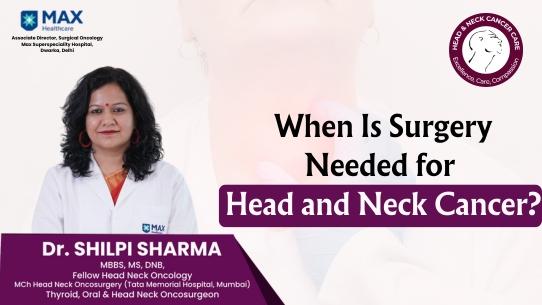
Meet Dr. Shilpi Sharma – Head & Neck Surgical Oncology Specialist
Dr. Shilpi Sharma is a head and neck surgical oncology specialist with advanced training in head and neck cancer management.
Qualifications:
-
MBBS
-
MS
-
DNB
-
Fellowship in Head & Neck Oncology
-
MCh in Head & Neck Oncosurgery, Tata Memorial Hospital, Mumbai
Areas of specialisation:
-
Thyroid cancer surgery.
-
Oral cancer surgery.
-
Head and neck oncosurgery.
-
Surgical management of head and neck tumours.
Patients seeking consultation for thyroid nodules, suspected thyroid cancer, oral cancer or other head and neck conditions can learn more about her qualifications and services through the website.
Website: https://headneckcancersurgeondelhigurgaon.com/
Frequently Asked Questions About Thyroid Nodules
1. Are all thyroid nodules cancerous?
No. Most thyroid nodules are benign. Ultrasound findings and FNAC, when indicated, help determine whether further investigation is necessary.
2. Can a thyroid nodule be present without symptoms?
Yes. Many thyroid nodules do not cause pain or other symptoms and are discovered during routine examinations or imaging.
3. Does a normal thyroid blood test rule out thyroid cancer?
No. Thyroid hormone tests assess gland function but cannot independently determine whether a nodule is cancerous.
4. When is FNAC required for a thyroid nodule?
FNAC is recommended for selected nodules based on their ultrasound appearance, size and clinical risk factors.
5. Does every thyroid nodule need surgery?
No. Many benign nodules can be monitored. Surgery is considered when there are suspicious findings, confirmed cancer, compressive symptoms or other appropriate clinical reasons.
6. What is the difference between hemithyroidectomy and total thyroidectomy?
Hemithyroidectomy removes one thyroid lobe, while total thyroidectomy removes the entire gland. The appropriate operation depends on the diagnosis and treatment plan.
7. Can thyroid cancer be treated successfully?
Many types of thyroid cancer have effective treatment options. Outcomes depend on the cancer type, stage, biological characteristics and individual patient factors.
8. Which doctor should I consult for a thyroid lump in Delhi?
A qualified thyroid or head and neck surgical oncology specialist can assess the lump, review ultrasound and FNAC reports and discuss appropriate management.
9. Where can I find a thyroid cancer specialist in Delhi?
Visit https://headneckcancersurgeondelhigurgaon.com/ to learn about Dr. Shilpi Sharma's qualifications and consultation services.
Conclusion
Thyroid nodules are common, and most are not cancerous. However, every suspicious or symptomatic thyroid lump deserves appropriate medical evaluation.
Ultrasound, thyroid function tests and FNAC help doctors understand the nature of a nodule and decide whether monitoring or surgery is required.
If you have a thyroid lump, an abnormal ultrasound report or an uncertain FNAC result, seek specialist advice before making treatment decisions.
The right diagnosis, careful surgical planning and appropriate follow-up are important parts of thyroid care.
Understand your thyroid report. Know your treatment options. Seek specialist advice at the right time.

 Arabic
 French
 Spanish
 Portuguese
 Deutsch
 Turkish
 Dutch
 Italiano
 Russian
 Romaian
 Portuguese (Brazil)
 Greek