
How to Plan Technology Projects and Avoid Costly Mistakes
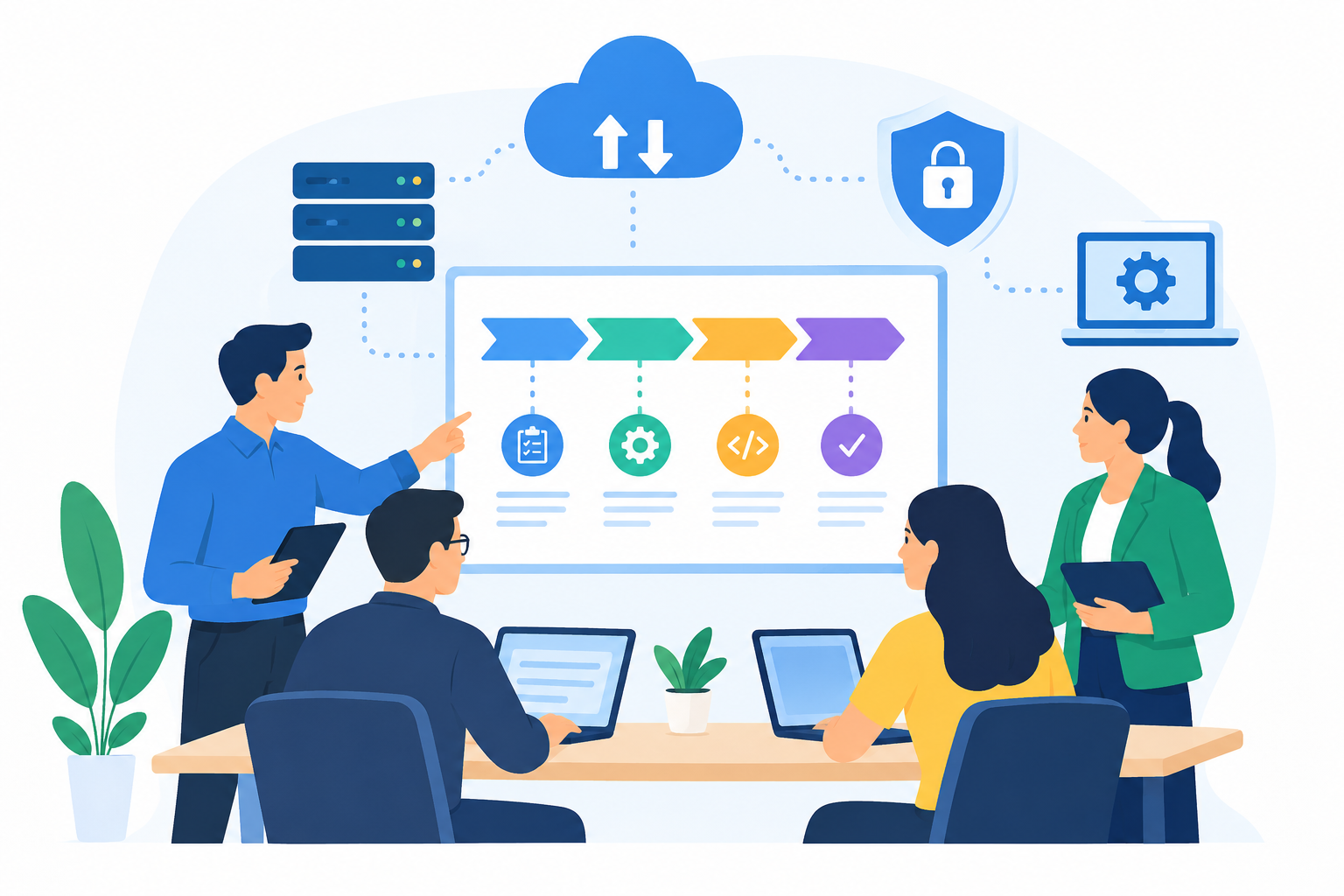
Technology projects can help businesses improve productivity, strengthen cybersecurity, modernize outdated systems, and support long-term growth. However, without proper planning and technical expertise, even a straightforward project can become expensive, experience delays, or create unexpected operational problems.
This is where IT project services become valuable. They help businesses organize technology initiatives, coordinate technical teams, manage budgets, reduce risks, and ensure projects meet their objectives. Whether a company is upgrading its network, migrating to the cloud, implementing new software, or improving its security infrastructure, professional project management can make the process more manageable.
Understanding how IT project services work can help business owners make informed decisions, avoid common mistakes, and get more value from their technology investments.
What Are IT Project Services?
IT project services cover the planning, coordination, implementation, and management of technology-related projects. These services help businesses move from an initial idea to a completed solution while keeping project goals, schedules, resources, and technical requirements aligned.
Depending on the project, support may include technology assessments, project planning, vendor coordination, system implementation, cybersecurity planning, testing, and post-deployment support.
For example, a business replacing its existing phone system may need help selecting a solution, preparing its network, coordinating the installation, testing call quality, and training employees. IT project services help organize these activities so the transition creates fewer disruptions.
Common projects that benefit from professional IT project management include:
-
Cloud migration and infrastructure modernization
-
Business software deployment and integration
-
Network installation and upgrades
-
Cybersecurity improvements and system hardening
-
Hardware replacement and office technology setup
-
VoIP phone system implementation
-
Data migration, backup, and recovery planning
-
IT compliance and access control improvements
The goal is not simply to complete a technical task. It is to deliver a solution that supports business operations and produces measurable value.
Why Businesses Need Professional IT Project Services
Technology projects often involve multiple people, systems, vendors, and deadlines. Without a clear plan, businesses can struggle to coordinate these moving parts while maintaining their everyday operations.
Professional project support helps address several common challenges.
1. Preventing Project Delays
A project may fall behind because of unclear responsibilities, missing equipment, software compatibility issues, or unexpected technical problems. These delays can affect employees, customers, and other business activities.
An IT project manager establishes a realistic timeline, identifies dependencies, assigns responsibilities, and monitors progress. Potential problems can then be addressed before they affect the entire project.
2. Controlling Technology Costs
Unexpected expenses are a common concern during IT upgrades and implementations. Businesses may overlook licensing fees, migration costs, employee training, hardware requirements, or ongoing maintenance.
A structured project plan identifies anticipated expenses before implementation begins. It also establishes a budget and process for reviewing changes that could increase costs.
This helps decision-makers understand where their money is going and evaluate whether additional spending is justified.
3. Reducing Operational Disruptions
A poorly managed technology upgrade can interrupt communication, delay customer service, or prevent employees from accessing essential applications.
IT project services help businesses schedule changes around operational needs, prepare backup plans, test systems, and communicate upcoming changes to employees. These precautions can reduce downtime and make transitions smoother.
4. Improving Security and Reliability
Security should be considered throughout a technology project rather than added after implementation. New applications, cloud platforms, devices, and network connections can introduce vulnerabilities if they are configured incorrectly.
Project planning can include access controls, data protection requirements, security testing, backup procedures, and documentation. These measures help businesses deploy technology with greater confidence.
What Is Included in IT Project Management?
The exact scope depends on the project's size and complexity. However, a well-managed IT project generally follows several important stages.
Project Assessment and Planning
The process begins by identifying the business problem, desired outcomes, existing technology limitations, and available resources.
For example, a company experiencing slow applications may need a network assessment before investing in new hardware. Identifying the underlying issue helps prevent unnecessary spending on solutions that do not address the real problem.
The planning stage typically defines the project scope, deliverables, timeline, budget, responsibilities, and success criteria.
Technology Selection and Coordination
Businesses may need to evaluate different software platforms, hardware options, service providers, or cloud environments. Choosing a solution based only on its purchase price can lead to compatibility problems or higher long-term costs.
Project professionals help evaluate technical requirements, integration needs, scalability, security, and ongoing support. They may also coordinate vendors to ensure that each party understands its responsibilities.
Implementation and Testing
Once the plan is approved, the implementation phase begins. Depending on the project, this may involve installing equipment, configuring software, migrating data, updating networks, or deploying security controls.
Testing is essential before a new system becomes fully operational. Teams should verify that the solution works as expected, users can access the necessary resources, and critical business processes remain functional.
Training and Documentation
Even a technically successful project can create problems if employees do not understand how to use the new system.
Training helps staff adapt to updated tools and workflows. Documentation records important configurations, procedures, access requirements, and troubleshooting information for future reference.
Ongoing Support and Evaluation
After deployment, the project team should review whether the original objectives were achieved. Performance issues, user feedback, and unresolved technical concerns should be addressed.
Some businesses also require ongoing monitoring, maintenance, and technical assistance after the project is completed.
How Managed IT Services Support Successful Technology Projects
Businesses that use managed IT services can benefit from a more coordinated approach to technology planning and implementation.
Managed IT services generally provide ongoing technology support, monitoring, maintenance, and security management. IT project services, by comparison, focus on defined initiatives with specific objectives, deliverables, and timelines.
Combining the two can help businesses avoid a disconnect between project implementation and everyday IT operations.
For example, a company planning a cloud migration may use project services to coordinate the migration, test applications, and manage the transition. Its managed IT provider can then monitor the cloud environment, maintain security controls, resolve technical issues, and support employees.
This arrangement can also help businesses identify projects based on recurring IT problems. If employees regularly experience network outages or application performance issues, ongoing support data may reveal the need for a larger infrastructure improvement.
The result is a more proactive approach to technology management, where projects address underlying business needs instead of simply reacting to isolated problems.
Common IT Project Mistakes Businesses Should Avoid
Several preventable mistakes can undermine an otherwise promising technology initiative.
Unclear project objectives: Without specific goals, teams may struggle to determine what success looks like. Define measurable outcomes before work begins.
Poor communication: Employees, management, technical teams, and vendors need a shared understanding of responsibilities and expectations. Regular updates help keep everyone aligned.
Ignoring cybersecurity: Security requirements should be included in the original plan, particularly when projects involve sensitive information, remote access, or cloud infrastructure.
Underestimating employee training: New systems may not deliver their expected benefits if employees cannot use them effectively. Include training and adoption support in the project budget.
Skipping testing and backup planning: Moving directly from implementation to full deployment can expose the business to avoidable downtime or data loss. Test important workflows and establish recovery procedures before major changes.
Failing to plan for ongoing maintenance: Every new technology solution needs an appropriate support strategy. Consider software updates, licensing, monitoring, and future upgrade requirements before the project closes.
Addressing these issues early can help businesses protect their investment and reduce unnecessary complications.
How to Choose the Right IT Project Services Provider
Selecting a suitable provider requires more than comparing prices. Businesses should evaluate whether the provider understands their technical environment, operational priorities, and long-term objectives.
Consider the following factors when comparing potential partners:
-
Relevant experience: Look for experience with projects similar to yours, such as cloud migrations, network upgrades, cybersecurity implementations, or VoIP deployments.
-
Clear project scope: The provider should explain what is included, what is excluded, and how changes will be handled.
-
Communication and reporting: Ask how progress, risks, deadlines, and budget changes will be communicated.
-
Security expertise: Confirm that security, access management, data protection, and recovery planning are addressed where relevant.
-
Technical coordination: Determine whether the provider can work effectively with internal employees, existing IT teams, and third-party vendors.
-
Post-project support: Understand who will maintain the solution and resolve problems after implementation.
It is also helpful to ask how the provider measures project success. Depending on the initiative, useful measures may include reduced downtime, improved system performance, successful data migration, completion within budget, or increased employee productivity.
A reliable provider should be able to explain its process in practical terms and connect technical decisions to business outcomes.
When Should a Business Invest in IT Project Services?
Professional project support can be particularly valuable when a technology initiative affects multiple departments, involves sensitive data, requires coordination between several vendors, or carries significant financial or operational risk.
Businesses should also consider project services when replacing outdated infrastructure, opening a new office, moving critical applications to the cloud, introducing new security controls, or implementing technology that employees depend on every day.
Smaller projects may require only limited planning, while larger initiatives may benefit from dedicated project management and formal testing. The right level of support depends on the project's complexity, risk, and business impact.
Conclusion
IT project services help businesses turn technology plans into organized, practical, and measurable results. Through careful planning, budget management, technical coordination, security considerations, and implementation testing, businesses can reduce project risks and avoid many common technology challenges.
Combining project management with managed IT services can provide additional value by connecting one-time technology improvements with ongoing maintenance and support. This approach helps businesses maintain reliable systems while preparing for future growth.
Before starting your next technology initiative, identify the problem you need to solve, define the results you expect, and evaluate the expertise required to achieve them. A well-planned project can do more than introduce new technology; it can improve business operations, strengthen reliability, and create a stronger foundation for long-term success.

 Arabic
 French
 Spanish
 Portuguese
 Deutsch
 Turkish
 Dutch
 Italiano
 Russian
 Romaian
 Portuguese (Brazil)
 Greek