
Vagua Visa Explained: Eligibility, Privacy, and Steps to Seek Immigration Protection
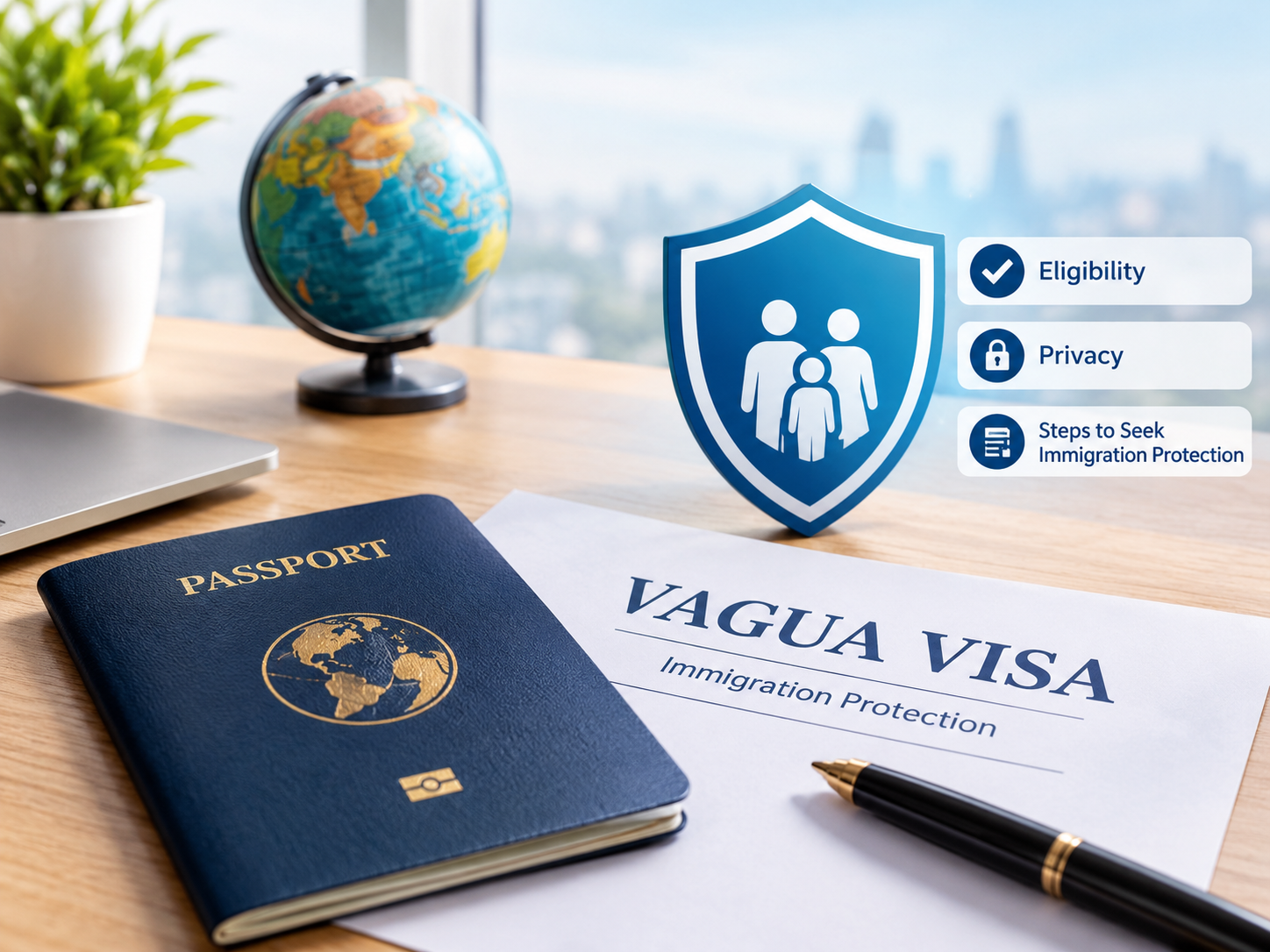
Understanding U.S. immigration options can be difficult, especially for people experiencing abuse within a family or relationship. Many people search online for information about the “vagua visa” when they are looking for immigration protection under the Violence Against Women Act (VAWA). Although “vagua visa” is a common search variation, the more widely used term is VAWA immigration relief.
VAWA provides certain eligible individuals with a way to seek immigration protection independently of an abusive qualifying family member. Understanding eligibility, documentation, and the application process can help survivors make informed decisions about their future.
What Is a Vagua Visa?
The term “vagua visa” is generally used online when people mean the VAWA immigration process. VAWA allows certain survivors of abuse involving a U.S. citizen or lawful permanent resident to submit a self-petition without requiring the abusive relative to sponsor the application.
This option is important because an abusive spouse or family member may threaten to withdraw immigration support or use a person's status to maintain control. The VAWA process can provide an independent legal pathway for eligible applicants.
Importantly, VAWA is not a separate visa category in the same sense as a tourist or student visa. An approved VAWA self-petition may allow an eligible person to pursue further immigration benefits, including lawful permanent residence, if the applicable requirements are met.
Who May Qualify for VAWA Immigration Relief?
Eligibility depends on the applicant's relationship with the abuser, the abuser's immigration status, and other legal requirements. Potentially eligible applicants include:
-
Abused spouses: Certain individuals who have experienced battery or extreme cruelty by a U.S. citizen or lawful permanent resident spouse.
-
Abused children: Certain children who have experienced qualifying abuse by a U.S. citizen or lawful permanent resident parent.
-
Abused parents: Certain parents abused by their U.S. citizen sons or daughters who are at least 21 years old.
Applicants must satisfy additional requirements that vary according to their relationship and circumstances. These may include demonstrating a qualifying relationship, meeting applicable residence requirements, establishing good moral character where required, and providing evidence of the qualifying abuse.
Not every difficult or unhealthy relationship automatically qualifies. An individual should obtain advice based on the specific facts of their situation before deciding which immigration pathway to pursue.
What Documents Are Needed for a VAWA Application?
Preparing a VAWA self-petition requires careful attention to the evidence. The documents needed will depend on the applicant's circumstances, and no single checklist applies to every case.
Commonly relevant evidence may include:
Proof of the qualifying relationship: Marriage certificates, birth certificates, adoption records, or other documents establishing the family relationship.
Evidence of the abuser's immigration status: Available documents demonstrating U.S. citizenship or lawful permanent resident status.
Evidence of abuse: Personal statements, medical records, photographs, messages, police reports, court documents, or statements from people familiar with the circumstances. Not every case requires every type of evidence, and the absence of a police report does not automatically mean an applicant cannot qualify.
Proof of residence: Documents that help establish where the applicant and qualifying family member lived, when required.
Personal declaration: A detailed statement explaining the relationship, relevant experiences, and circumstances supporting the petition.
Applicants should organize their evidence carefully and ensure that their statements are truthful and consistent. Missing records do not necessarily make a case impossible, but they may require alternative evidence or additional explanation.
How Does the VAWA Application Process Work?
Although every case is different, the general process involves several important stages.
1. Review Your Eligibility
Start by identifying the qualifying family relationship, the abuser's immigration status, and the circumstances that may support eligibility. An immigration professional can help identify potential issues before filing.
2. Prepare the Self-Petition
Eligible applicants generally use Form I-360 to submit a VAWA self-petition to U.S. Citizenship and Immigration Services (USCIS). The form and supporting evidence must follow the instructions applicable to the case.
3. Submit Supporting Evidence
Provide the relevant relationship documents, personal declaration, and other evidence supporting the eligibility requirements. Keep copies of submitted materials and records of any official correspondence.
4. Respond to USCIS Requests
USCIS may request additional evidence or issue other notices during the review process. Applicants should read each notice carefully and respond within the stated deadline when a response is required.
5. Explore Permanent Residence Options
Depending on eligibility, visa availability, admissibility, and other requirements, an approved self-petition may allow an applicant to pursue a Green Card through adjustment of status or another applicable process. Approval of a VAWA self-petition does not automatically guarantee permanent residence.
Can You Apply Without the Abusive Family Member's Help?
One of the most important features of VAWA is that an eligible person can generally self-petition without the abuser's participation or permission. This can be especially significant when an abusive relative threatens to interfere with immigration paperwork.
VAWA also includes confidentiality protections governing certain immigration information. However, applicants should not assume that every aspect of every immigration proceeding is automatically confidential in every circumstance. Safe communication methods, document storage, and case-specific privacy concerns deserve careful attention.
If someone fears retaliation, they should consider using a safe email address, securing personal documents, and seeking assistance from a qualified immigration attorney or an appropriate survivor-support organization.
Common Mistakes to Avoid When Applying
Applicants can reduce preventable problems by paying attention to several important details.
-
Using incorrect information: Ensure names, dates, addresses, and relationship details are accurate.
-
Submitting incomplete evidence: Review the applicable form instructions and explain gaps in available documentation where appropriate.
-
Ignoring official notices: Missing a deadline may create complications for an immigration case.
-
Assuming approval is guaranteed: Eligibility depends on the law and the evidence, and outcomes cannot be promised.
-
Relying on outdated advice: Immigration requirements and procedures can change, so applicants should check current USCIS guidance.
A well-organized application can make the relevant facts easier to evaluate, although no preparation method can guarantee approval or a particular processing time.
Legal Guidance for VAWA Immigration Applications
Navigating immigration paperwork while dealing with family abuse can be overwhelming. Legal guidance can help applicants understand eligibility requirements, organize supporting evidence, address potential complications, and explore available immigration options.
Karmi Law offers immigration-related legal assistance, including guidance on VAWA, U-visa, and T-visa matters. Individuals considering a VAWA self-petition can seek information about the application process, documentation requirements, and legal options relevant to their circumstances.
Before hiring an attorney, applicants should discuss the scope of representation, legal fees, communication practices, and experience with similar immigration cases. Choosing professional legal support can help applicants make informed decisions based on their individual needs and circumstances.
Conclusion
Understanding the vagua visa search term and its connection to VAWA immigration relief is an important first step for people seeking protection from qualifying family abuse. The process can offer eligible survivors a way to pursue immigration benefits without depending on the abusive relative to sponsor their petition.
Careful documentation, accurate forms, attention to official notices, and informed legal guidance can help applicants navigate the process more confidently. Anyone considering this option should review current USCIS requirements and seek qualified legal advice before making important immigration decisions.

 Arabic
 French
 Spanish
 Portuguese
 Deutsch
 Turkish
 Dutch
 Italiano
 Russian
 Romaian
 Portuguese (Brazil)
 Greek