
How to Choose the Best Stamped Concrete Contractors
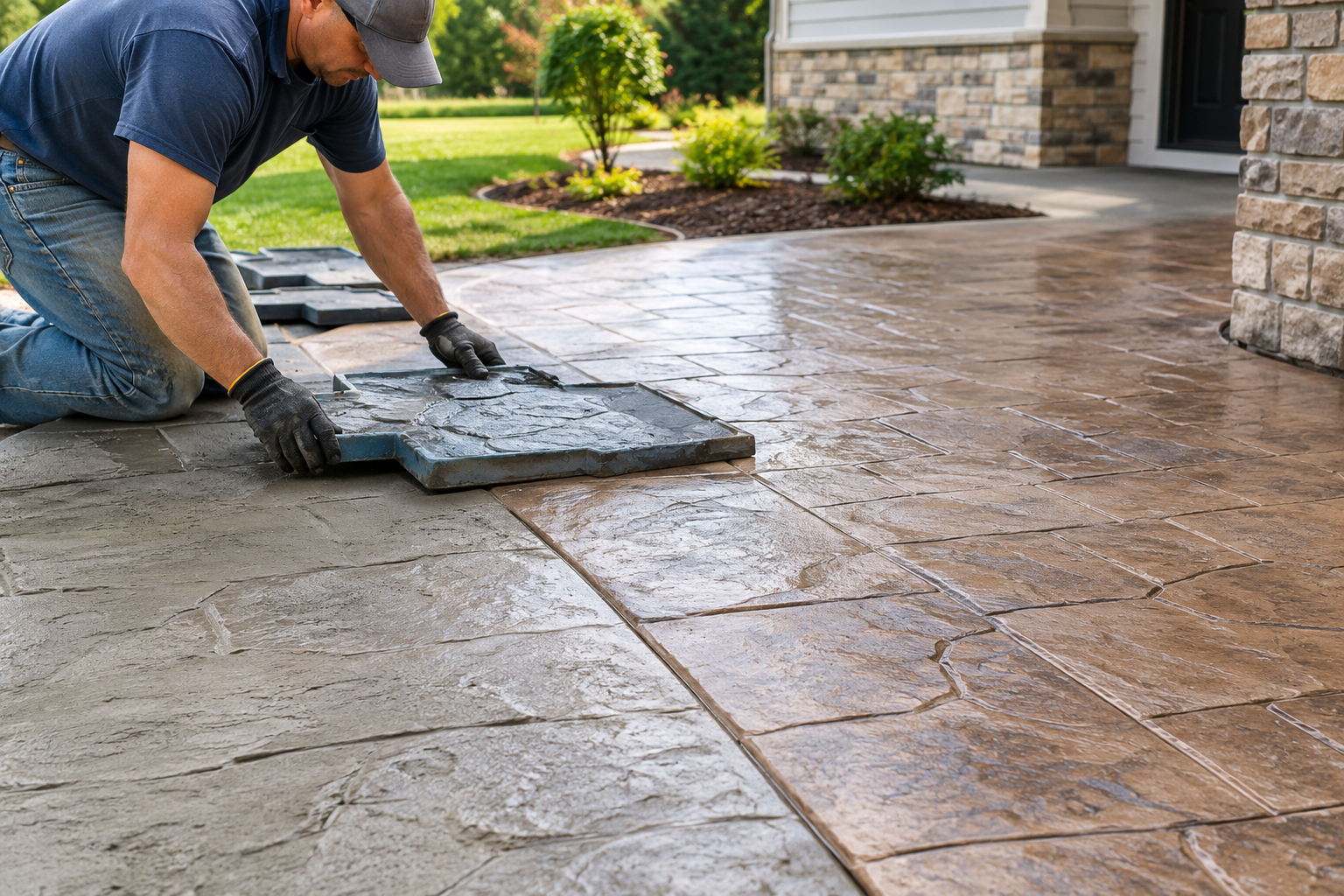
Stamped concrete is a popular choice for homeowners who want an attractive outdoor surface without the higher material and installation costs that can come with natural stone, brick, or pavers. With the right colors, textures, and patterns, concrete can replicate the appearance of slate, cobblestone, brick, or natural stone while providing a durable surface for patios, walkways, driveways, and pool decks.
However, the quality of the finished project depends heavily on the contractor performing the work. Poor preparation, incorrect concrete placement, inconsistent stamping, or inadequate sealing can lead to cracks, uneven patterns, and premature surface damage.
Choosing experienced stamped concrete contractors helps you avoid these problems and make a better investment in your property. Understanding the installation process, evaluating contractors, and knowing which questions to ask can help you select the right professional for your project.
What Do Stamped Concrete Contractors Do?
Stamped concrete contractors specialize in installing decorative concrete surfaces that combine structural performance with an attractive appearance. They prepare the site, install the concrete, apply colors, create patterns, and finish the surface according to the project's design.
Their responsibilities typically include:
-
Site preparation: Removing unsuitable materials, leveling the ground, and preparing a stable base.
-
Formwork and reinforcement: Establishing the correct dimensions and incorporating reinforcement where appropriate.
-
Concrete placement: Pouring and leveling concrete to achieve the required thickness and finish.
-
Pattern stamping: Using specialized molds to create stone, brick, tile, or other decorative textures.
-
Color application: Applying integral color, color hardeners, or release agents to achieve the desired appearance.
-
Joint placement and sealing: Planning control joints and applying a suitable sealer when the concrete has reached the appropriate stage.
Professional concrete construction involves more than making a surface look attractive. Contractors must also consider drainage, soil conditions, expected loads, weather, and the intended use of the finished area.
5 Signs You Have Found the Right Stamped Concrete Contractor
Not every concrete contractor has the same level of experience with decorative finishes. Before hiring someone, evaluate their skills, previous work, and approach to project planning.
1. They Have a Portfolio of Completed Projects
Ask to see photographs of completed stamped concrete patios, driveways, walkways, or similar installations. Look for consistent patterns, clean edges, realistic textures, and even coloring.
If possible, visit a completed project in person. Pictures may not reveal surface irregularities, drainage issues, or areas where the sealer has worn unevenly.
Choose a contractor whose previous work matches your preferred style and the complexity of your project.
2. They Explain the Installation Process Clearly
A reliable contractor should explain how the site will be prepared, which concrete mix will be used, how the pattern will be applied, and when the surface can be used.
They should also discuss factors that may affect the project, including temperature, rainfall, ground conditions, and access to the work area.
Clear communication helps you understand what you are paying for and reduces the risk of unexpected problems during installation.
3. They Provide a Detailed Written Estimate
A useful estimate should explain the scope of work rather than simply list a total price.
Look for details covering:
-
Site excavation and base preparation
-
Concrete thickness and reinforcement, where required
-
Selected pattern and color
-
Labor and materials
-
Control joints and drainage considerations
-
Sealing and cleanup
-
Project timeline and payment terms
Comparing detailed estimates makes it easier to identify missing services and understand why one contractor's price differs from another's.
4. They Understand Local Conditions
Weather and soil conditions can affect how concrete performs over time. Contractors should understand how to plan for local rainfall, temperature changes, soil movement, and drainage requirements.
For example, a patio installed on poorly compacted soil may settle unevenly. A driveway without suitable drainage may experience water-related damage, especially when combined with freezing conditions.
An experienced contractor considers these risks before pouring the concrete instead of trying to correct them after the project is complete.
5. They Discuss Maintenance and Warranty Terms
Stamped concrete needs appropriate care to preserve its appearance and protect the surface.
Ask what type of sealer is recommended, how often resealing may be necessary, and which cleaning products are safe to use. You should also understand the warranty's coverage, exclusions, and duration.
A contractor who explains maintenance requirements helps you plan for the long-term cost of ownership.
Which Stamped Concrete Design Is Best for Your Property?
The best design depends on where the concrete will be installed, how the space will be used, and the appearance you want to achieve.

Stamped Concrete Patios
Patios often benefit from slate, flagstone, or ashlar patterns that complement outdoor furniture and landscaping. Textured finishes can create a natural appearance while providing a comfortable space for entertaining.

Stamped Concrete Driveways
Driveways require careful consideration of thickness, base preparation, drainage, and expected vehicle loads. Brick and cobblestone patterns can improve curb appeal when paired with suitable structural design.

Stamped Concrete Walkways
Walkways can use stone or brick patterns to connect entrances, gardens, and patios. Slip resistance, surface transitions, and proper water runoff are important design considerations.

Pool Decks and Outdoor Living Areas
Pool decks need particular attention to traction, drainage, surface temperature, and sealer selection. Ask the contractor to recommend a finish suitable for wet conditions.
Before selecting a pattern, request physical samples or examples of completed installations. Colors can look different under direct sunlight, shade, and artificial lighting, so reviewing samples in your actual outdoor environment can help you make a more confident decision.
How Much Does Stamped Concrete Installation Cost?
The cost of stamped concrete varies according to the size of the area, the complexity of the design, site conditions, material choices, and local labor rates.
A simple pattern on an accessible patio will generally require less labor than a detailed multicolor design with several borders, curves, and intricate textures.
The main factors affecting your estimate include:
-
Project size: Larger areas may have a lower cost per square foot, although the total price will be higher.
-
Site preparation: Excavation, removal of existing concrete, grading, and base repairs can increase costs.
-
Pattern complexity: Detailed stamping and multiple colors usually require additional labor and materials.
-
Concrete specifications: Thickness, reinforcement, and mix requirements depend on the intended use and site conditions.
-
Finishing and sealing: Decorative treatments and protective coatings contribute to the final price.
When comparing quotes, avoid choosing a contractor based on price alone. An unusually low estimate may exclude necessary preparation, proper drainage, or sealing. These omissions can lead to more expensive repairs later.
Request an itemized estimate and confirm whether demolition, disposal, finishing, and cleanup are included.
Common Stamped Concrete Problems and How to Prevent Them
Even attractive decorative concrete can develop problems when the installation process is poorly managed. Understanding common issues can help you evaluate a contractor's approach.
Cracking
Concrete naturally shrinks as it cures, and some cracking can occur even in well-installed surfaces. Proper base preparation, suitable reinforcement where needed, and correctly positioned control joints help manage cracking.
Ask the contractor how they plan to accommodate the site's soil conditions and expected loads.
Uneven Patterns or Color Differences
Stamped concrete must be imprinted at the appropriate stage of the concrete's setting process. Poor timing or inconsistent stamping pressure can create irregular textures.
Color variations may also occur because of application methods, weather, curing conditions, and differences in materials. Discuss the expected appearance before work begins.
Water Drainage Problems
Water that collects on a patio or driveway can affect usability and contribute to surface deterioration. Proper grading and drainage planning should be addressed before the concrete is poured.
Sealer Failure
A sealer that is unsuitable for the surface or applied under poor conditions can peel, turn cloudy, or become slippery. Ask which product will be used and how it should be maintained.
Professional installation cannot eliminate every risk, but careful planning and appropriate materials can significantly reduce preventable problems.
What Should You Ask Before Hiring a Contractor?
Before signing an agreement, ask these practical questions:
-
How many stamped concrete projects similar to mine have you completed?
-
What preparation will the site require?
-
Which concrete mix, thickness, and reinforcement are appropriate for this application?
-
What pattern, color, and sealer do you recommend?
-
How will you manage drainage and control joints?
-
What is included in the written estimate?
-
How long should installation and curing take?
-
When can the surface safely support foot traffic or vehicles?
-
What maintenance will be required after installation?
-
What warranty applies to the completed work?
Also verify relevant licensing, insurance, references, and local permit requirements where applicable. Put important specifications, payment arrangements, and changes to the project in writing.
How Proper Concrete Construction Protects Your Investment
Decorative appearance is only one part of a successful stamped concrete project. The underlying construction determines whether the surface can perform reliably under normal use.
A properly planned installation starts with an assessment of the existing soil and drainage. The contractor then selects suitable materials, prepares a stable base, establishes the required elevations, and places concrete according to the project's specifications.
Curing is equally important. Concrete needs appropriate moisture and temperature conditions to develop strength. The surface should not be exposed to heavy loads before it is ready, and the contractor should provide clear instructions about when it can be used.
Long-term maintenance also matters. Routine cleaning, prompt attention to drainage problems, and periodic resealing when appropriate can help preserve the color and texture.
Choosing a contractor who understands the full process of concrete construction helps ensure that the finished surface is designed for both visual appeal and practical performance.
How to Maintain Stamped Concrete After Installation
Once the project is complete, a few straightforward practices can help extend the life of the surface.
-
Clean dirt, leaves, and debris regularly with suitable cleaning methods.
-
Avoid harsh chemicals that may damage the concrete or its protective coating.
-
Follow the contractor's recommendations for resealing.
-
Prevent water from collecting near the slab or along its edges.
-
Use appropriate snow and ice management products in colder climates.
-
Address noticeable changes, such as persistent puddles, flaking, or unusual cracking, before they worsen.
Maintenance needs depend on the climate, amount of traffic, sealer type, and condition of the surface. Follow the product manufacturer's instructions instead of relying on a fixed resealing schedule for every project.
Final Thoughts
Choosing the right stamped concrete contractors requires more than comparing prices and selecting an attractive pattern. Experience, site preparation, drainage planning, material quality, finishing techniques, and maintenance guidance all contribute to a successful result.
Start by identifying how you want to use the space, reviewing completed projects, and requesting detailed written estimates. Ask questions about construction methods and long-term care before making your decision.
With careful planning and a qualified contractor, stamped concrete can provide a practical, attractive surface that complements your property and serves your needs for years to come.

 English
 French
 Spanish
 Portuguese
 Deutsch
 Turkish
 Dutch
 Italiano
 Russian
 Romaian
 Portuguese (Brazil)
 Greek