
Embroidery Digitizing Services Help Create High-Quality Embroidery
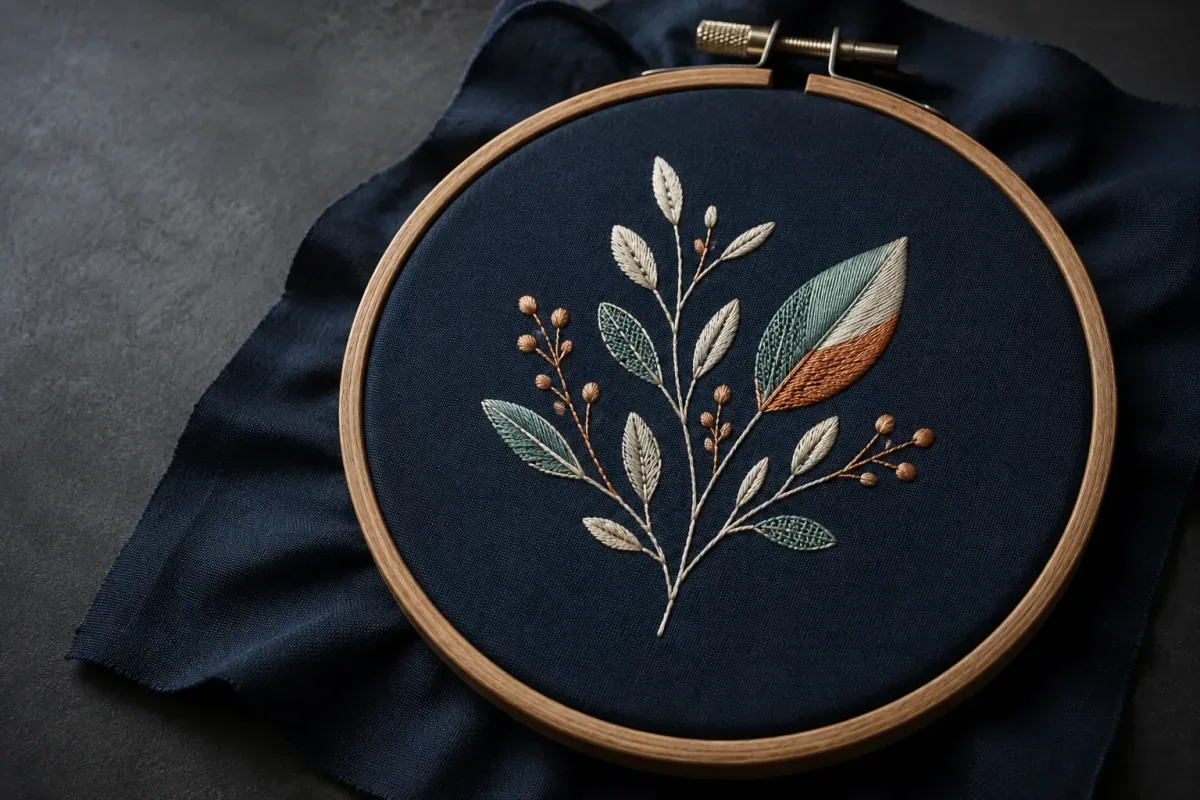
Embroidery is a popular way for businesses to showcase their logos, create branded clothing, and produce customized products. From company uniforms and promotional caps to jackets and embroidered patches, the quality of the final product depends on more than the design itself. The way artwork is converted into stitches plays an important role in achieving clean, professional results.
This is where professional embroidery digitizing services become essential. Digitizing transforms a digital image, logo, or illustration into a stitch file that an embroidery machine can understand. The process involves selecting suitable stitch types, adjusting stitch density, planning sewing directions, and arranging the stitching sequence to suit the design and material.
For embroidery businesses, clothing brands, and independent creators, choosing the right digitizing service can help improve design consistency, reduce stitching problems, and support smoother production.
What Are Embroidery Digitizing Services?
Embroidery digitizing services convert artwork into a machine-readable embroidery file. Unlike a regular image file, an embroidery file contains instructions that tell the machine how to recreate a design using thread.
A professional digitizer examines the artwork and determines how each element should be stitched. This includes selecting stitch types, setting stitch angles, adjusting density, and deciding which sections should be embroidered first.
For example, a company logo featuring small text, curved shapes, and multiple colors requires careful planning to ensure the final embroidery remains clear and balanced.
The process also considers the fabric, design size, and placement. A logo intended for a polo shirt may need different settings from the same logo embroidered on a structured cap or a thick jacket.
Professional digitizing is therefore not simply about converting an image into a different file format. It involves preparing the design for the physical requirements of embroidery.
Why Professional Embroidery Digitizing Matters
The quality of a stitch file directly influences how a design looks when embroidered. Poorly prepared files can cause uneven stitching, fabric puckering, gaps between colors, and unclear lettering.
Working with experienced digitizers can help prevent these issues.
1. Cleaner and More Accurate Designs
Professional digitizing helps preserve the important details of a logo or illustration. Stitch directions, object placement, and appropriate stitch types are selected to reproduce the artwork as accurately as possible.
This is particularly important for businesses that use embroidered logos on uniforms, workwear, promotional merchandise, and branded apparel.
2. Better Fabric Compatibility
Different fabrics behave differently during embroidery. Lightweight cotton, pique polo fabric, fleece, denim, and structured cap materials each present their own challenges.
A suitable digitizing file accounts for these differences by adjusting underlay, density, stitch direction, and pull compensation where necessary.
These adjustments can help reduce distortion and improve the appearance of the finished design. However, the correct stabilizer, needle, thread tension, and machine setup are also important.
3. More Consistent Production
Businesses producing multiple embroidered items need their designs to look consistent across garments.
A well-prepared embroidery file helps maintain the intended shapes, proportions, and stitch coverage when the same design is repeated. This is especially useful for uniform suppliers, promotional product companies, and clothing manufacturers.
Testing the file on the intended material before bulk production can further improve consistency.
4. Fewer Avoidable Stitching Problems
Incorrect stitch density, unsuitable stitch lengths, and poor sewing sequences can lead to thread breaks, excessive thread buildup, and unnecessary machine movement.
Professional digitizing helps address these problems during file preparation. The result can be a more efficient embroidery process with fewer avoidable production interruptions.
Different Types of Custom Embroidery Digitizing Services
Every embroidery project has different requirements. The right digitizing approach depends on the design, intended placement, material, and desired appearance.
Logo Digitizing
Logo digitizing converts business logos, brand symbols, and custom artwork into embroidery machine files.
It is commonly used for company uniforms, polo shirts, jackets, workwear, and promotional products. Special attention is given to lettering, borders, color changes, and small design elements.
Cap and Hat Digitizing
Caps and hats have curved surfaces that require careful stitch planning. A design that works well on a flat shirt may not produce the same results on a structured cap.
Cap digitizing considers the shape of the front panel, stitch sequence, design positioning, and fabric behavior to help maintain clean lettering and balanced coverage.
3D Puff Embroidery Digitizing
3D puff embroidery creates raised designs using foam placed beneath the stitches. It is commonly used for bold lettering, logos, and graphics on caps.
The digitizing process must account for foam coverage, stitch direction, edge finishing, and suitable lettering thickness. Not every design is suitable for this technique, so some details may need to be simplified.
Jacket-Back Digitizing
Large jacket-back designs often contain detailed graphics, multiple colors, and larger embroidered areas.
Professional digitizing helps organize these elements into a practical stitching sequence while considering coverage, fabric stability, and the finished design's dimensions.
Appliqué Digitizing
Appliqué embroidery combines fabric pieces with decorative stitching. The digitizing file typically includes placement, tack-down, and finishing stitches.
Correct sequencing helps hold the fabric in position and create clean edges around the appliqué shape.
How to Choose Custom Embroidery Digitizing Services in USA
Businesses looking for custom embroidery digitizing services in USA should consider more than turnaround time or the appearance of a preview. A reliable provider should understand how embroidery designs behave during actual production.
Here are several factors worth checking before placing an order.
Check the Provider's Experience
Look for a service with experience handling the type of embroidery you need. Digitizing small lettering, structured caps, jacket backs, and 3D puff designs requires different techniques.
Review examples of completed work and ask whether the provider can accommodate your specific application.
Confirm Compatible File Formats
Different embroidery machines may require different file formats. Common formats include DST, PES, JEF, EXP, VP3, and other machine-specific options.
Before ordering, confirm which format your machine supports. If you are unsure, provide the machine's make and model so the digitizer can help identify the appropriate format.
Ask About Revisions
Even a carefully prepared file may need adjustments after a test stitch. Ask about the provider's revision policy and whether changes related to the original design are included.
Clear communication about revisions can help avoid misunderstandings and make the process easier.
Consider Turnaround and Communication
Fast delivery is useful when you have customer deadlines or production schedules to meet. However, turnaround should be considered alongside design complexity and file quality.
Choose a service that communicates clearly about requirements, delivery expectations, and any additional information needed to complete your design.
Look Beyond the Preview
A digital preview can help you check the design's appearance, but it cannot fully demonstrate how the stitches will behave on your material.
Whenever possible, test the file on the intended fabric, stabilizer, and embroidery machine before beginning a large order.
The Embroidery Digitizing Process: From Artwork to Stitch File
Understanding the process helps you provide the right information and receive a file suited to your project.
Step 1: Submit your artwork
Provide your logo or design in the clearest available format. Vector artwork or a high-quality image can make it easier to identify shapes, lettering, and colors.
Step 2: Share the project details
Specify the finished design size, fabric type, garment placement, required file format, and deadline. Mention any special requirements, such as cap embroidery or 3D puff.
Step 3: Manual digitizing
The digitizer converts the artwork into stitch instructions, selecting stitch types, angles, density, underlay, and sewing order based on the design's requirements.
Step 4: File review
The completed file is checked against the requested dimensions, artwork, and machine format. A preview may also be provided to help you review the design before production.
Step 5: Test stitching
Run a sample on the intended material to evaluate stitch coverage, lettering, registration, and overall appearance. If adjustments are necessary, share clear photos of the sample and relevant machine settings with the digitizer.
Step 6: Production
Once the design performs as expected, the file can be used for the intended embroidery job. For large orders, testing before full production is a sensible way to reduce avoidable mistakes.
How Professional Digitizing Supports Embroidery Businesses
For embroidery shops and apparel companies, reliable digitizing is an important part of delivering quality products to customers.
A properly prepared file can help businesses maintain consistent branding across uniforms, promotional clothing, hats, bags, and other embroidered items.
It can also make it easier to manage different types of projects. For example, an embroidery shop may receive a small logo for a polo shirt in the morning and a large design for a jacket back later in the day. Each project requires a suitable approach to stitch planning and file preparation.
Outsourcing digitizing can also be useful for businesses that do not have an in-house digitizer or need additional support during busy periods. Instead of managing every design internally, they can work with a specialist who prepares files according to their requirements.
The most effective approach is to treat digitizing as part of the production workflow rather than an afterthought. Providing accurate project details and testing files before bulk runs can help businesses achieve more predictable results.
Why Choose Risedigitizing for Embroidery Digitizing Services?
Risedigitizing provides custom embroidery digitizing solutions for customers who need artwork converted into embroidery machine files. The service supports different applications, including logo digitizing, cap embroidery, jacket-back designs, appliqué, and 3D puff.
Customers can submit their artwork along with the intended design size, material, placement, and required machine format. These details help the digitizing team prepare a file suited to the intended application.
Risedigitizing also offers fast turnaround options, customer support, and revisions according to its service terms. Before ordering, customers should confirm the requirements and delivery expectations for their specific design.
If you need a logo or custom artwork prepared for embroidery, explore the embroidery digitizing services offered by Risedigitizing to learn more about the available options.
Frequently Asked Questions
What is the purpose of embroidery digitizing?
Embroidery digitizing converts artwork into stitch instructions that an embroidery machine can read. It determines how the design will be stitched, including stitch types, direction, density, and sequence.
What artwork can I submit for digitizing?
You can generally submit logos, illustrations, and other artwork in formats such as JPG, PNG, PDF, AI, or EPS, depending on the provider's requirements. Clear artwork helps the digitizer interpret the design more accurately.
Which embroidery file format should I choose?
The correct format depends on your embroidery machine. DST, PES, JEF, EXP, and VP3 are common examples. Check your machine's specifications or provide its make and model when ordering.
Are custom embroidery digitizing services in USA suitable for small businesses?
Yes. Small businesses, independent apparel decorators, promotional product sellers, and embroidery shops can use custom digitizing services to prepare logos and designs for their products without necessarily maintaining an in-house digitizing team.
Can embroidery digitizing improve the quality of my finished design?
Good digitizing can improve stitch planning, design clarity, and fabric compatibility. However, the final result also depends on material selection, stabilizer, thread, needle, machine settings, and production technique.
Should I test an embroidery file before bulk production?
Yes. A sample stitch-out helps identify possible issues with coverage, alignment, lettering, and fabric distortion before you embroider a large quantity of products.
Conclusion
Professional embroidery digitizing services help turn digital artwork into practical stitch files for real embroidery projects. From logo digitizing and cap embroidery to jacket backs and appliqué, the right stitch plan can improve design clarity, support consistent production, and reduce avoidable stitching problems.
When choosing custom embroidery digitizing services in USA, consider the provider's experience, supported file formats, communication, revision policy, and ability to prepare files for your intended material and placement.
By sharing clear project details and testing the completed file before bulk production, you can give your embroidery projects a stronger foundation for professional results. Risedigitizing can help you take the next step from artwork to embroidery-ready files.

 English
 Arabic
 French
 Spanish
 Portuguese
 Deutsch
 Turkish
 Dutch
 Italiano
 Russian
 Romaian
 Greek