
How Professional Safety Consulting Helps Businesses Create Safer Work Environments
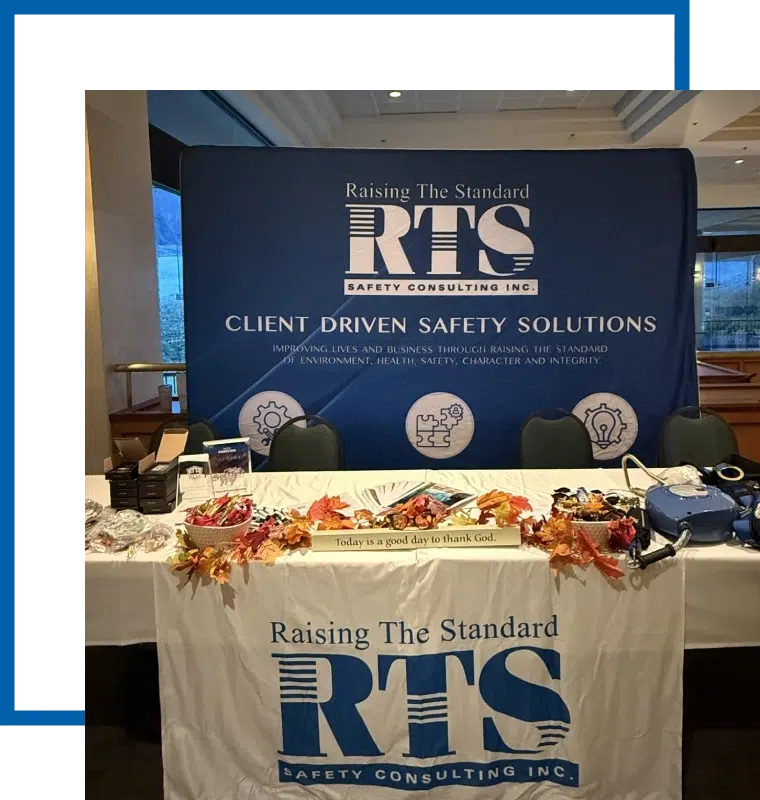
Workplace safety is a fundamental part of running a successful business. Organizations across construction, manufacturing, transportation, and other industries must identify potential hazards and take appropriate steps to protect their employees. A safe working environment reduces the likelihood of accidents, improves employee confidence, and supports efficient business operations.
Safety consulting provides businesses with professional guidance to recognize workplace risks, develop effective safety procedures, and improve their overall safety performance. By working with experienced professionals, organizations can identify weaknesses in their existing systems and implement practical solutions that support long-term success.
Understanding the Importance of Workplace Safety
Workplace safety involves protecting employees from hazards that may cause injuries, illnesses, or other negative consequences. Every organization has different safety requirements depending on its operations, equipment, and working conditions.
For example, construction workers may face risks associated with scaffolding, falling objects, electrical equipment, and working at heights. Manufacturing employees may encounter machinery hazards, chemical exposure, excessive noise, or repetitive movements.
Without proper precautions, these hazards can lead to serious incidents and disrupt normal business activities.
Employers should establish clear safety policies, provide appropriate equipment, and ensure that workers understand their responsibilities. Regular workplace inspections and employee training also help organizations maintain safe conditions.
A proactive approach allows businesses to identify potential problems before they develop into costly or dangerous situations.
Identifying Workplace Hazards Through Risk Assessments
Risk assessment is one of the most important components of an effective workplace safety program. It involves identifying hazards, evaluating their potential consequences, and determining appropriate measures to control them.
Professional consultants help businesses examine their working environments and identify areas that require improvement.
The assessment process may include inspecting machinery, reviewing work procedures, observing employee activities, and evaluating existing protective measures.
After identifying hazards, consultants can recommend suitable corrective actions. These might include improving ventilation, installing machine guards, changing unsafe procedures, or providing additional protective equipment.
Risk assessments should also be reviewed whenever workplace conditions change significantly. New machinery, different materials, or modified production processes may introduce additional hazards.
Regular assessments help organizations maintain awareness of workplace risks and ensure that safety measures remain appropriate.
Developing Effective Workplace Safety Policies
Written safety policies establish clear expectations for employees and management. They explain how workers should perform their duties, report hazards, and respond to potentially dangerous situations.
Professional consultants can help organizations develop policies that reflect their specific operations and applicable regulatory requirements.
An effective workplace safety policy may address several important areas:
-
Procedures for identifying and reporting hazards.
-
Guidelines for operating equipment safely.
-
Requirements for personal protective equipment.
-
Emergency response and evacuation procedures.
-
Workplace inspection and maintenance schedules.
-
Incident reporting and investigation processes.
-
Employee training and safety responsibilities.
These policies should be communicated clearly to everyone in the organization.
Managers should also review safety documentation regularly to ensure that procedures remain accurate and practical.
When employees understand the rules and know where to find guidance, they can make better decisions and contribute to a safer working environment.
Improving Employee Training and Awareness
Employee training plays a major role in preventing workplace accidents. Workers need to understand the risks associated with their responsibilities and learn how to follow appropriate safety procedures.
Without sufficient training, employees may unknowingly perform tasks incorrectly, overlook hazards, or misuse equipment.
Safety professionals help businesses identify training needs and develop programs suited to their operations.
Depending on the workplace, training may cover hazard recognition, emergency evacuation, fire prevention, safe lifting techniques, chemical handling, and equipment operation.
Practical demonstrations can be especially useful because they allow employees to observe correct procedures and apply their knowledge.
Training should not be limited to new employees. Existing workers may also need refresher sessions when equipment, responsibilities, or safety requirements change.
Supervisors should monitor workplace practices and provide additional guidance when necessary.
A well-trained workforce is better prepared to recognize dangerous conditions, follow established procedures, and protect both individual workers and their colleagues.
Supporting Occupational Health and Safety Compliance
Businesses must understand the workplace health and safety regulations that apply to their industry and location. Meeting these requirements helps organizations protect employees and maintain responsible operating practices.
However, regulatory requirements can be complex, particularly for companies operating across multiple locations or industries.
Professional consultants help businesses review their existing procedures and identify areas where improvements may be necessary.
They may examine safety policies, employee training records, equipment inspection reports, and incident documentation.
Consultants can also recommend corrective measures to address identified gaps and improve internal safety management systems.
Maintaining accurate records is an important part of this process. Documentation can demonstrate that a company conducts inspections, provides training, and responds appropriately to workplace concerns.
Because legal requirements vary, businesses should confirm their obligations with qualified professionals and relevant regulatory authorities.
Effective compliance management helps organizations establish more consistent safety practices while reducing the likelihood of avoidable problems.
Preventing Workplace Accidents and Injuries
Workplace accidents can affect employees, employers, and the wider organization. Even relatively minor incidents may cause injuries, missed workdays, equipment damage, and delays in business operations.
More serious accidents can have lasting consequences for employees and their families.
Preventive measures help businesses reduce these risks by addressing hazards before incidents occur.
For example, regular equipment maintenance can reduce the likelihood of mechanical failures. Proper housekeeping can help prevent slips and falls, while suitable protective equipment can reduce exposure to certain workplace hazards.
Clear communication is equally important. Employees should know how to report unsafe conditions and understand that concerns should be addressed promptly.
Incident investigations also provide valuable information. By examining what happened and identifying contributing factors, businesses can improve their procedures and prevent similar incidents.
The goal should be to understand the causes of accidents rather than simply assigning blame.
A consistent focus on prevention helps organizations protect their employees and maintain safer working conditions.
Reducing Operational Costs and Improving Productivity
Workplace safety is not only about preventing injuries. It can also contribute to better financial and operational performance.
Accidents may create expenses related to medical treatment, equipment repairs, insurance claims, employee absences, and production interruptions.
Businesses may also experience reduced productivity when employees must stop work to address safety incidents.
Implementing effective safety measures can help minimize these disruptions.
For example, regular inspections may identify damaged equipment before it fails. Improved training can reduce operational mistakes, while organized work areas can help employees complete tasks more efficiently.
Safety improvements may require an initial investment in training, equipment, or professional services. However, preventing serious incidents can help businesses avoid substantial unexpected expenses.
Organizations should evaluate safety performance through practical indicators, such as incident frequency, completion of inspections, training participation, and timely correction of identified hazards.
Monitoring these indicators helps management determine whether safety initiatives are effective and where further improvements may be needed.
Building a Positive Workplace Safety Culture
A strong safety culture develops when employees and managers treat safety as an everyday responsibility.
Written policies and formal training are important, but they are not enough on their own. Workers must also feel encouraged to follow procedures, communicate concerns, and participate in safety improvements.
Management plays an important role in establishing this culture.
Leaders should demonstrate safe behavior, provide appropriate resources, and respond seriously to employee concerns.
Workers should have clear channels for reporting hazards, near misses, and unsafe working conditions.
Regular safety meetings can help teams discuss potential risks and share suggestions for improvement.
Organizations should also recognize employees who demonstrate responsible safety practices.
Open communication helps create an environment where employees understand that reporting a hazard is a positive action rather than a reason for criticism.
Over time, these practices can strengthen teamwork and encourage greater responsibility throughout the organization.
The Role of Emergency Preparedness
Even with effective preventive measures, businesses must prepare for emergencies.
Unexpected events such as fires, equipment failures, chemical spills, and severe weather may require employees to respond quickly.
An emergency preparedness plan explains what workers should do, where they should go, and whom they should contact during an incident.
Safety consultants can help businesses review emergency procedures and identify potential weaknesses.
Important considerations include evacuation routes, emergency exits, alarm systems, communication methods, first-aid arrangements, and employee responsibilities.
Emergency drills can help workers become familiar with established procedures.
Organizations should also ensure that emergency equipment remains accessible and properly maintained.
Plans must reflect the specific risks associated with the workplace and should be updated when operational conditions change.
Preparing in advance helps employees respond more confidently and supports a more organized emergency response.
Choosing the Right Safety Consulting Provider
Selecting an appropriate consultant is an important step toward improving workplace safety.
Businesses should consider the provider's qualifications, relevant industry experience, professional reputation, and understanding of applicable regulations.
It is also important to identify the services required before selecting a provider.
Some organizations may need comprehensive workplace risk assessments, while others may require employee training, policy development, compliance reviews, or assistance with emergency planning.
A suitable consultant should explain potential risks clearly and provide recommendations that businesses can realistically implement.
Organizations should also consider how the effectiveness of the proposed improvements will be evaluated.
Clear communication, practical advice, and ongoing support can help businesses achieve better results from their safety initiatives.
Rather than treating safety consulting as a one-time activity, organizations should view it as part of a continuing commitment to workplace improvement.
Conclusion
Creating a safe workplace requires careful planning, consistent training, effective communication, and regular evaluation of potential hazards. Businesses that take these responsibilities seriously can better protect their employees while supporting reliable and productive operations.
Professional safety consulting helps organizations identify risks, develop practical safety procedures, improve employee awareness, and understand applicable regulatory requirements.
By investing in preventive measures and encouraging employees to participate in safety initiatives, businesses can reduce workplace hazards and build a stronger safety culture.
Ultimately, workplace safety should be an ongoing priority for every organization. A commitment to continuous improvement helps protect employees, preserve valuable resources, and establish a healthier working environment for long-term business success.

 English
 Arabic
 French
 Portuguese
 Deutsch
 Turkish
 Dutch
 Italiano
 Russian
 Romaian
 Portuguese (Brazil)
 Greek