
New Research Directions in Halide Battery Technology
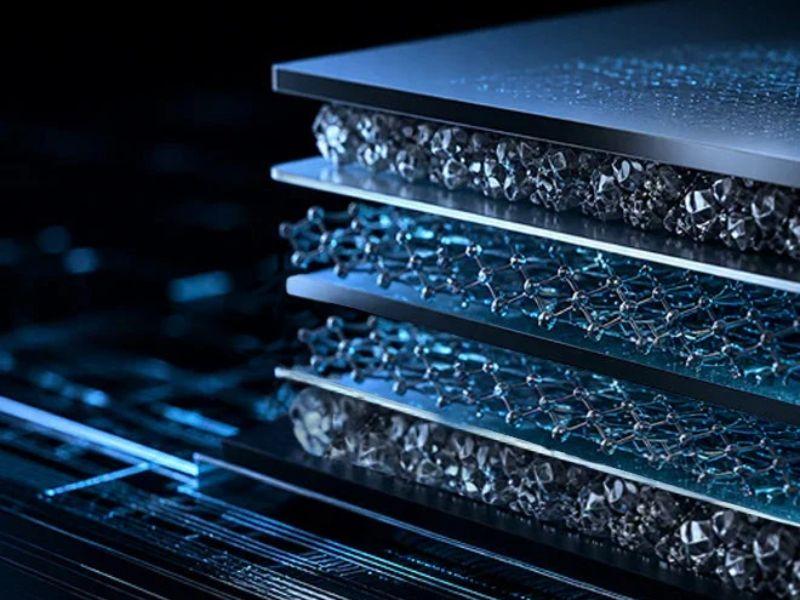
Battery technology is evolving as researchers explore safer and more efficient ways to store energy. Solid-state batteries are an important part of this development because they use solid electrolytes instead of the liquid electrolytes found in many conventional lithium-ion batteries. One area attracting research interest is the Halide solid-state electrolyte, which is being studied for its potential ionic conductivity and compatibility with selected electrode materials.
Ampcera works in the advanced battery materials industry, with a focus on sulfide solid electrolytes, coated cathode materials, and technologies related to next-generation energy storage. Understanding different electrolyte materials helps researchers compare available options and explore new battery designs.
What Is a Halide Solid-State Electrolyte?
A Halide solid-state electrolyte is an inorganic solid material containing halide elements such as chlorine, bromine, or iodine. In a battery, the electrolyte allows lithium ions to move between the electrodes while keeping the electrodes physically separated.
Unlike liquid electrolytes, these materials form a solid phase inside the battery. Their properties depend on chemical composition, crystal structure, particle size, and the quality of contact with the electrodes.
Halides are one of several solid electrolyte families being researched. Other major groups include sulfides, oxides, and polymers. Each has different advantages, limitations, and processing requirements.
Why Are Halide Electrolytes Attracting Attention?
Researchers are studying halide-based materials because some compositions show promising lithium-ion conductivity at room temperature. Certain materials may also offer useful oxidative stability and compatibility with selected high-voltage cathodes.
These characteristics make halide materials interesting for advanced battery research. However, performance varies between compositions. The chemical formula, synthesis method, processing conditions, and electrode pairing all influence the results.
The Halide solid-state electrolyte is therefore a broad research category rather than one standard material with fixed performance. Each composition needs to be evaluated using suitable measurements and cell tests.
How Do Halide Electrolytes Work?
During battery charging and discharging, lithium ions move through the electrolyte between the positive and negative electrodes. Electrons travel through the external circuit, while ions move inside the cell to support the electrochemical reactions.
In a solid electrolyte, lithium ions move through pathways within the material's structure. In halide materials, this movement is influenced by the arrangement of atoms in the crystal lattice and the availability of sites through which lithium ions can travel.
The electrolyte must also maintain good contact with the electrodes. Poor contact can increase interface resistance and reduce cell performance. Researchers therefore study both the conductivity of the material itself and its behavior when prepared as a pellet, layer, or composite structure.
Potential Benefits of Halide-Based Materials
Halide electrolytes are being investigated for several possible advantages. The benefits depend on the specific composition and how it is used.
1. Potential Compatibility with High-Voltage Cathodes
Some halide compositions have demonstrated promising oxidative stability compared with certain other solid electrolyte materials. This makes them interesting candidates for research involving high-voltage cathodes.
However, compatibility must be confirmed through interface studies and full-cell testing. Results from one composition should not be applied to every halide material.
2. Lithium-Ion Conductivity
Some reported halide compositions can conduct lithium ions at room temperature. Ionic conductivity is important because it affects how easily ions move through the electrolyte.
Researchers also need to consider grain boundaries, material density, defects, and processing conditions when comparing conductivity results.
3. Opportunities for Material Development
The halide family includes different chemical compositions and crystal structures. Researchers can investigate substitutions and structural changes to understand how they affect conductivity, stability, and processing.
Challenges in Halide Electrolyte Research
Although these materials have attracted attention, several challenges need further investigation before many compositions can be widely used in commercial batteries.
Chemical and Electrochemical Stability
A solid electrolyte must remain sufficiently stable against the selected anode and cathode. Some halide materials may react with particular electrode materials or decompose under certain electrochemical conditions.
Researchers may investigate protective coatings, interface layers, or changes in cell design to address these challenges.
Moisture Sensitivity and Safe Handling
Moisture sensitivity varies between halide compositions. Some materials may degrade when exposed to humid air. Storage and handling requirements should therefore be checked for each specific product.
Researchers should follow the relevant safety data sheet and supplier instructions. They should not assume that all halide powders have identical handling requirements.
Interface Resistance
Even a material with good bulk conductivity may perform poorly if resistance develops where the electrolyte meets the electrodes. Researchers study pressure, particle contact, surface chemistry, and interface layers to improve contact.
Manufacturing and Scale-Up
A material that works in a laboratory experiment may require further development before large-scale production. Cost, raw material availability, process consistency, and equipment requirements all affect commercial potential.
Comparing Halide, Sulfide, and Oxide Electrolytes
Different solid electrolyte families are being explored because no single material is suitable for every battery design.
-
Halides: Some compositions are studied for ionic conductivity and possible compatibility with high-voltage cathodes.
-
Sulfides: Many sulfide electrolytes are known for high ionic conductivity and good formability. Some are moisture-sensitive and can release hazardous hydrogen sulfide gas when exposed to water.
-
Oxides: Oxide electrolytes can offer useful chemical and thermal stability, although some require high-temperature processing and may be difficult to form into low-resistance interfaces.
-
Polymers: Polymer electrolytes can be flexible and relatively easy to process in certain designs, but conductivity and operating temperature can be limiting factors.
This comparison provides a starting point for research. The best choice depends on the complete cell design, target performance, manufacturing process, and safety requirements.
What Should Researchers Check Before Selecting a Material?
Before choosing a Halide solid-state electrolyte, research teams should review the available technical information and confirm that the material suits their project.
Important points include:
-
Chemical formula and purity
-
Ionic conductivity and measurement temperature
-
Crystal structure and phase composition
-
Compatibility with the selected cathode and anode
-
Moisture sensitivity and storage requirements
-
Particle size and processing characteristics
-
Available safety and technical documentation
It is also useful to define the testing plan before beginning experiments. Recording test conditions and using repeatable procedures makes comparisons between materials more meaningful.
Ampcera's Role in Advanced Battery Materials
Ampcera operates in the advanced battery materials sector. Its areas of work include sulfide solid electrolytes, coated cathode materials, dry electrode processing, electrolyte film services, and specialized battery research solutions.
These technologies are relevant to the wider development of solid-state and next-generation batteries. Sulfide electrolytes, for example, are an important research area because of their ionic conductivity and potential use in solid-state cell designs. Coated cathode materials are also relevant to studies of electrode performance and surface engineering.
The Halide solid-state electrolyte represents another material family within the broader solid-state battery research landscape. Researchers interested in this chemistry should review Ampcera's current product information or contact the company directly to confirm which specific materials and services are available. It is important not to assume that every electrolyte chemistry discussed in scientific research is part of a supplier's product range.
For researchers comparing halide materials with sulfide or oxide alternatives, selection should be guided by the intended cell design, material properties, interface compatibility, and reliable test data.
How Material Research Supports Better Battery Design?
Battery development requires work across materials science, engineering, and testing. Researchers need to understand how individual components behave and how they interact inside a complete cell.
A material may show promising conductivity in a laboratory measurement but still face challenges when combined with an electrode. Similarly, a successful small sample may need further development before its preparation can be repeated at a larger scale.
Material characterization, interface studies, and controlled cell testing help researchers identify these issues. Companies working in advanced battery materials can contribute by developing specialized materials and providing technical information that supports research.
Ampcera's work in solid electrolytes and cathode materials is part of this evolving field. Careful evaluation of each material remains essential when exploring new battery technologies.
Frequently Asked Questions
What is a halide solid electrolyte?
It is an inorganic solid material containing halide elements that can conduct lithium ions. Different compositions are being researched for possible use in solid-state batteries.
Is every Halide solid-state electrolyte suitable for high-voltage cathodes?
No. Compatibility depends on the specific composition, cathode chemistry, interface conditions, and operating voltage. Testing is necessary before drawing conclusions.
How does a halide electrolyte differ from a sulfide electrolyte?
They belong to different chemical families and can have different conductivity, stability, moisture sensitivity, and processing characteristics. The right choice depends on the cell design and research goals.
What information should be checked before using halide powder?
Review its chemical composition, purity, conductivity data, storage guidance, moisture sensitivity, safety documentation, and compatibility information.
Does Ampcera offer every type of solid electrolyte?
Not necessarily. Product availability can change, and a material family discussed in research is not automatically part of a supplier's product range. Contact Ampcera or review its current product information to confirm available materials and services.
Conclusion
Halide-based solid electrolytes are an active area of battery research because selected compositions may offer useful lithium-ion transport and compatibility characteristics. At the same time, stability, interface resistance, moisture sensitivity, processing, and manufacturing scale remain important considerations.
The Halide solid-state electrolyte should be evaluated as a specific material with its own properties, not as a universal solution. Researchers should compare technical data, assess electrode compatibility, and conduct controlled testing before selecting a composition.
Ampcera contributes to the advanced battery materials field through its work on sulfide solid electrolytes, coated cathode materials, and related technologies. As solid-state battery research develops, careful comparison across material families will help researchers make informed decisions and explore future energy storage solutions.

 English
 Arabic
 French
 Spanish
 Portuguese
 Deutsch
 Turkish
 Dutch
 Italiano
 Romaian
 Portuguese (Brazil)
 Greek