
Bunion Treatment: A Practical Guide to Your Options, From Better Footwear to Surgery
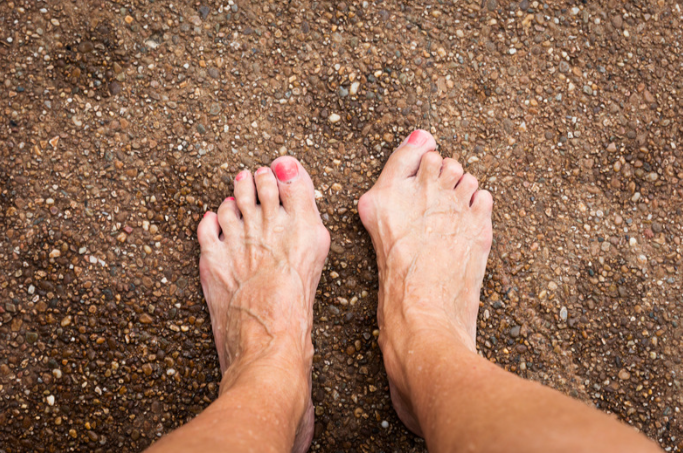
Bunion treatment rarely starts with an operating theatre. For most people, the journey begins with a bump at the base of the big toe that is a little sore after a long day, then a bit more sore, then suddenly it is the reason their favourite shoes no longer fit. If that sounds familiar, you are in good company. Bunions are among the most common foot complaints seen in orthopaedic clinics, and the good news is that there is a clear, sensible path from the first twinge to lasting relief.
This guide walks you through what a bunion actually is, which self-care steps are worth your time, when professional help makes sense, and what to expect if surgery ever becomes part of the conversation. It is written for people who want straight answers rather than a sales pitch.
What Is a Bunion, Really?
A bunion (medically called hallux valgus) is not simply extra bone growing on the side of your foot. It is a change in the alignment of the big toe joint. The long bone behind the big toe, the first metatarsal, drifts inwards, while the toe itself angles towards the smaller toes. That shift pushes the joint outwards and creates the visible bump.
Because the problem is structural, bunions tend to progress slowly over years. They do not usually vanish on their own, but progression can often be slowed, and symptoms can be managed very effectively.
Why Do Bunions Form?
There is rarely a single cause. Several factors usually combine:
- Family history. Foot shape and joint flexibility run in families, so if your mother or grandmother had bunions, your risk is higher.
- Footwear. Tight, narrow or high-heeled shoes do not create a bunion from nothing, but they can speed up one that is already developing.
- Flat or flexible feet. Feet that roll inwards place extra stress on the big toe joint.
- Inflammatory or joint conditions. Rheumatoid arthritis and generalised joint laxity can contribute.
- Previous injury. Trauma to the foot can alter how forces travel through the toe.
Recognising the Symptoms
A bunion is not always painful, and size does not predict how much it hurts. Some people with a large bump feel little, while others with a modest one struggle daily. Common signs include:
- A firm bump on the inner edge of the foot at the base of the big toe
- Redness, warmth or swelling around the joint
- Pain that worsens when walking or wearing closed shoes
- Corns or calluses where the big toe presses against the second toe
- Stiffness or reduced movement in the big toe
- Numbness or burning sensations from pressure on nearby nerves
How Bunions Are Usually Graded
Specialists often look at the angle between the big toe and the first metatarsal on a weight-bearing X-ray. The table below gives a simplified view of how severity and the typical approach relate. Your own plan will depend on symptoms, lifestyle and examination, not on numbers alone.
|
Severity |
Typical Appearance |
Common Symptoms |
Usual First Approach |
|---|---|---|---|
|
Mild |
Slight bump, toe angled a little |
Occasional soreness in tight shoes |
Footwear changes, padding, monitoring |
|
Moderate |
Clear bump, toe pressing on second toe |
Regular pain, early corns |
Orthotics, spacers, activity modification, physiotherapy |
|
Severe |
Pronounced deformity, possible overlapping toes |
Constant pain, difficulty with most shoes |
Specialist review, surgical discussion if conservative care fails |
Non-Surgical Options That Genuinely Help
It is worth being honest here: non-surgical measures do not straighten a bunion. What they can do is reduce pain, protect the joint and, in some cases, slow things down. Many people find that is all they need.
1. Change What You Wear
This is the single most useful step. Look for shoes with a wide toe box, a low or flat heel and soft, flexible uppers. A good test is to stand on a sheet of paper, trace your foot, then place the shoe over the outline. If the shoe is narrower than your foot, it will keep irritating the joint.
2. Pads, Spacers and Splints
Silicone bunion pads cushion the bump and reduce rubbing. Toe spacers sit between the big and second toe to ease pressure. Night splints are popular, though the evidence suggests they ease discomfort rather than correct the angle.
3. Custom or Over-the-Counter Orthotics
If flat feet are part of the picture, supportive insoles can improve how load passes through the foot. A podiatrist or foot specialist can advise whether a custom device is worth the extra cost.
4. Pain Relief
Short courses of over-the-counter anti-inflammatories, or ice applied for 10 to 15 minutes after activity, can calm a flare-up. Always check suitability with a pharmacist or doctor, particularly if you have stomach, kidney or heart conditions.
5. Targeted Exercises
Simple movements such as toe spreading, towel scrunches and calf stretches can keep the joint mobile and the foot muscles active. They will not reverse the deformity, but many people notice they feel steadier and less stiff.
When Self-Care Is Not Enough
It may be time to see a specialist if you notice any of the following:
- Pain that interrupts sleep or stops you doing normal activities
- A bump that is getting noticeably bigger or more crooked
- A big toe that is overlapping or pushing the second toe out of place
- Recurrent ulcers, infections or corns despite good footwear
- A history of diabetes or poor circulation alongside foot changes
An assessment normally includes a physical examination, a look at how you walk, and weight-bearing X-rays. That combination tells the specialist how flexible the joint is and which options are realistic.
Treatment for Bunions: When Surgery Enters the Conversation
There is a point where comfortable shoes and pads simply stop being enough, and this is where treatment for bunions moves towards a surgical discussion. Surgery is not about appearance. It is considered when pain is persistent, daily life is limited and sensible non-operative steps have been given a fair trial.
There is no single bunion operation. Surgeons choose from a range of procedures depending on the size of the deformity, the quality of the joint and the patient's activity level. Broadly, they fall into the following groups.
|
Procedure Type |
What It Does |
Best Suited To |
Things to Consider |
|---|---|---|---|
|
Soft tissue release and realignment |
Rebalances tight and loose tissues around the joint |
Mild deformity with a flexible joint |
Often combined with a bone procedure |
|
Distal metatarsal osteotomy |
Cuts and shifts the end of the metatarsal bone |
Mild to moderate bunions |
Quicker recovery for many patients |
|
Proximal or scarf osteotomy |
Repositions the bone further back in the foot |
Moderate to severe bunions |
Stronger correction, longer protected walking |
|
Lapidus procedure (joint fusion) |
Stabilises the unstable joint at the base of the metatarsal |
Severe deformity or joint instability |
Fusion requires careful healing time |
|
Joint fusion or replacement at the big toe |
Addresses arthritis in the big toe joint |
Painful, stiff joints with arthritis |
Reduces movement in exchange for pain relief |
Modern techniques include minimally invasive options, where small incisions are used rather than a large cut. These can suit selected patients, but they are not right for everyone. A good surgeon will explain why a specific technique is being recommended rather than simply offering whatever is newest.
What Recovery Typically Looks Like
Recovery varies by procedure, so treat the timeline below as a rough guide only. Your surgical team will give you personalised instructions.
|
Stage |
Typical Timeframe |
What Usually Happens |
|---|---|---|
|
Immediately after surgery |
First 2 weeks |
Foot elevated, dressings in place, protected weight-bearing in a special shoe or boot |
|
Early healing |
Weeks 2 to 6 |
Stitches removed, swelling slowly settles, gentle movement begins |
|
Rehabilitation |
Weeks 6 to 12 |
Return to normal shoes, physiotherapy, gradual increase in walking |
|
Full recovery |
3 to 6 months |
Swelling fades, strength and confidence return |
|
Final result |
Up to 12 months |
Last of the swelling resolves, scar softens |
Many people are surprised by how long mild swelling can linger. Patience matters, and following the advice on elevation and activity makes a real difference to the final result.
Questions Worth Asking Before You Decide
Whether you are weighing up surgery or still managing symptoms at home, it helps to arrive at an appointment prepared. Consider asking:
- Which procedure do you recommend for my bunion, and why?
- What are the realistic benefits and risks for someone my age and activity level?
- How long will I be off work or unable to drive?
- What happens if I choose to wait?
- How often do bunions return after surgery, and what reduces that chance?
Preventing a Bunion From Getting Worse
You cannot change your genes, but you can influence how kindly your feet are treated:
- Choose shoes that fit the shape of your foot, not the other way around
- Keep high heels for special occasions rather than daily wear
- Maintain a healthy weight to lower the load on your feet
- Stretch your calves, since tight calf muscles increase forefoot pressure
- Replace worn-out shoes and insoles regularly
- Get early advice if you notice your toe beginning to drift
Frequently Asked Questions
Can a bunion go away without surgery? No. A bunion is a change in bone alignment, so it will not disappear by itself. However, pain can often be controlled and progression slowed with suitable footwear, padding and supportive measures.
Do bunion correctors actually work? They can ease discomfort and reduce pressure, particularly at night or during rest. The evidence that they permanently straighten the toe is limited, so it is best to see them as comfort aids.
Is bunion surgery very painful? Pain after surgery is usually manageable with a planned combination of medication, elevation and ice. Modern anaesthetic techniques, including nerve blocks, help control discomfort in the first day or two.
How long before I can drive after bunion surgery? This depends on which foot was operated on, the procedure and your own recovery. Many people wait several weeks. Your surgeon will tell you when it is safe, and your insurer may have its own requirements.
Can bunions come back after surgery? Recurrence is possible, especially if the underlying causes such as foot mechanics or tight footwear are not addressed. Choosing the right procedure and following aftercare advice lowers the risk.
Are bunions only a problem for women? Women are affected more often, partly due to footwear habits, but men get bunions too. Genetics and foot structure play a major role in both.
What type of doctor should I see for a bunion? A GP can provide initial advice and referrals. For ongoing pain or surgical questions, an orthopaedic foot and ankle specialist or a podiatrist is the right next step.
Final Thoughts
Bunions are common, manageable and rarely an emergency. Start with the simple things: roomy shoes, protective padding and a bit of foot care. If your symptoms keep interfering with life, speak to a specialist who can explain your options clearly, without pressure. The right plan is the one that fits your foot, your lifestyle and your goals.
Disclaimer: This article is for general information only and does not replace personal medical advice. If you are experiencing foot pain, speak to a qualified healthcare professional for assessment and treatment.

 English
 Arabic
 French
 Spanish
 Portuguese
 Turkish
 Dutch
 Italiano
 Russian
 Romaian
 Portuguese (Brazil)
 Greek