
Digital Retail and Changing Demand in the UK Functional Drinks Sector
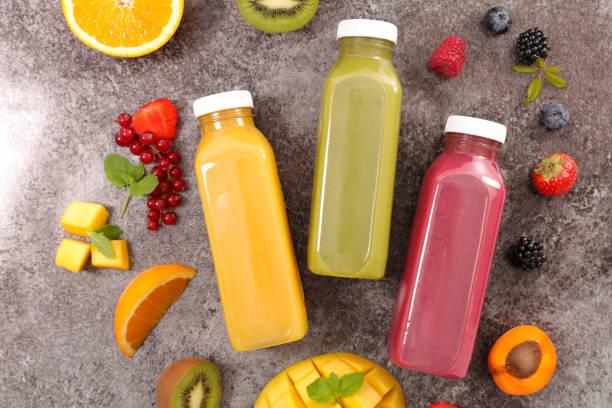
UK Functional Beverages Market is being influenced by changes in retail distribution, digital shopping behaviour, and the growing availability of specialized beverage products. Consumers can now discover functional drinks through supermarkets, convenience stores, health retailers, fitness outlets, and online marketplaces. This wider accessibility is helping brands introduce new products to different customer groups. At the same time, digital platforms are changing how consumers research ingredients, compare product characteristics, and evaluate beverage brands. These developments are encouraging manufacturers to strengthen their retail strategies and adopt more connected approaches to customer engagement.
The increasing importance of digital discovery is supporting the development of the UK functional drinks retail and consumer landscape. Online platforms allow beverage companies to explain product formulations, communicate nutritional information, and introduce specialized offerings to consumers who may not encounter them through conventional retail channels. Product descriptions, customer reviews, social media content, and educational campaigns can influence purchasing decisions. This creates opportunities for emerging brands to build visibility and establish direct relationships with customers. Digital retail also allows companies to understand consumer interests and adjust their marketing strategies accordingly.
Supermarkets continue to play an important role in introducing functional beverages to mainstream shoppers. Their extensive product selections allow consumers to compare different brands, flavours, ingredients, and packaging formats in one location. Retail shelf placement and product visibility can influence whether shoppers notice unfamiliar beverage categories. Companies therefore need to develop packaging that communicates important product information quickly and clearly. Attractive design, recognizable ingredients, and understandable product positioning can help consumers identify relevant products. Retail partnerships and promotional activities may also support product discovery and encourage customers to try new functional beverage options.
Convenience stores provide another important distribution opportunity because they serve consumers seeking readily available refreshments. Busy professionals, commuters, students, and other shoppers may prefer beverages that can be purchased quickly and consumed while travelling or working. Functional drinks offered through these outlets can appeal to customers looking for alternatives to conventional refreshments. Packaging size, portability, flavour, and accessibility are important considerations in this environment. Manufacturers that understand convenience retail requirements can develop suitable product formats and improve their ability to reach consumers across different daily consumption occasions.
Social media is becoming an important channel for beverage discovery and brand communication. Companies can use short-form videos, influencer partnerships, educational posts, and customer-generated content to introduce product features. Fitness communities and wellness-focused creators may also help brands connect with audiences interested in hydration, nutrition, and specialized beverages. However, promotional communication must remain accurate and responsible. Health-related claims should not create unrealistic expectations or imply benefits that have not been properly established. Brands that prioritize transparency and provide useful product information can build stronger relationships with digitally engaged consumers.
Subscription services and direct-to-consumer strategies offer additional opportunities for businesses operating in specialized beverage categories. Some consumers may prefer recurring deliveries of products they purchase regularly, particularly when products are not widely available through nearby retailers. Direct sales can also help manufacturers gather feedback and understand customer preferences. These channels allow brands to experiment with product bundles, introductory offers, and specialized collections. However, successful implementation requires reliable delivery systems, suitable packaging, inventory management, and competitive pricing. Companies must ensure that the convenience offered through digital purchasing translates into a consistent customer experience.
Data-driven marketing can help beverage manufacturers improve their understanding of changing consumer behaviour. Online engagement, product reviews, purchase patterns, and campaign performance can provide useful insights into customer interests. Businesses can use this information to identify popular flavours, understand product preferences, and refine their promotional activities. Retailers and manufacturers may also benefit from collaboration when evaluating product performance and distribution opportunities. Nevertheless, customer data must be handled responsibly, with appropriate attention to privacy and applicable data protection requirements. Effective use of consumer insights can support better decisions without compromising customer trust.
The future of functional beverage retail in the United Kingdom will likely involve stronger connections between physical stores, e-commerce, and digital marketing. Consumers may continue discovering products online before purchasing them in supermarkets or specialist outlets. Brands that maintain consistent product information across channels can create a more reliable shopping experience. Opportunities will also emerge through innovative packaging, specialized formulations, and convenient delivery models. Businesses that combine effective distribution with product quality, responsible communication, and a strong understanding of consumer expectations can improve their competitive position in the evolving functional drinks sector.
FAQs
Q1. How does e-commerce support functional beverage brands?
E-commerce improves product accessibility and allows brands to communicate ingredients and product features directly.
Q2. Which retail channels sell functional beverages?
Supermarkets, convenience stores, health retailers, fitness outlets, and online marketplaces are important channels.
Q3. Why is social media important for functional drink marketing?
It helps brands introduce new products, explain product characteristics, and engage with potential customers.

 English
 Arabic
 French
 Spanish
 Deutsch
 Turkish
 Dutch
 Italiano
 Russian
 Romaian
 Portuguese (Brazil)
 Greek