
Common Gate Problems and How Professional Repair Can Help
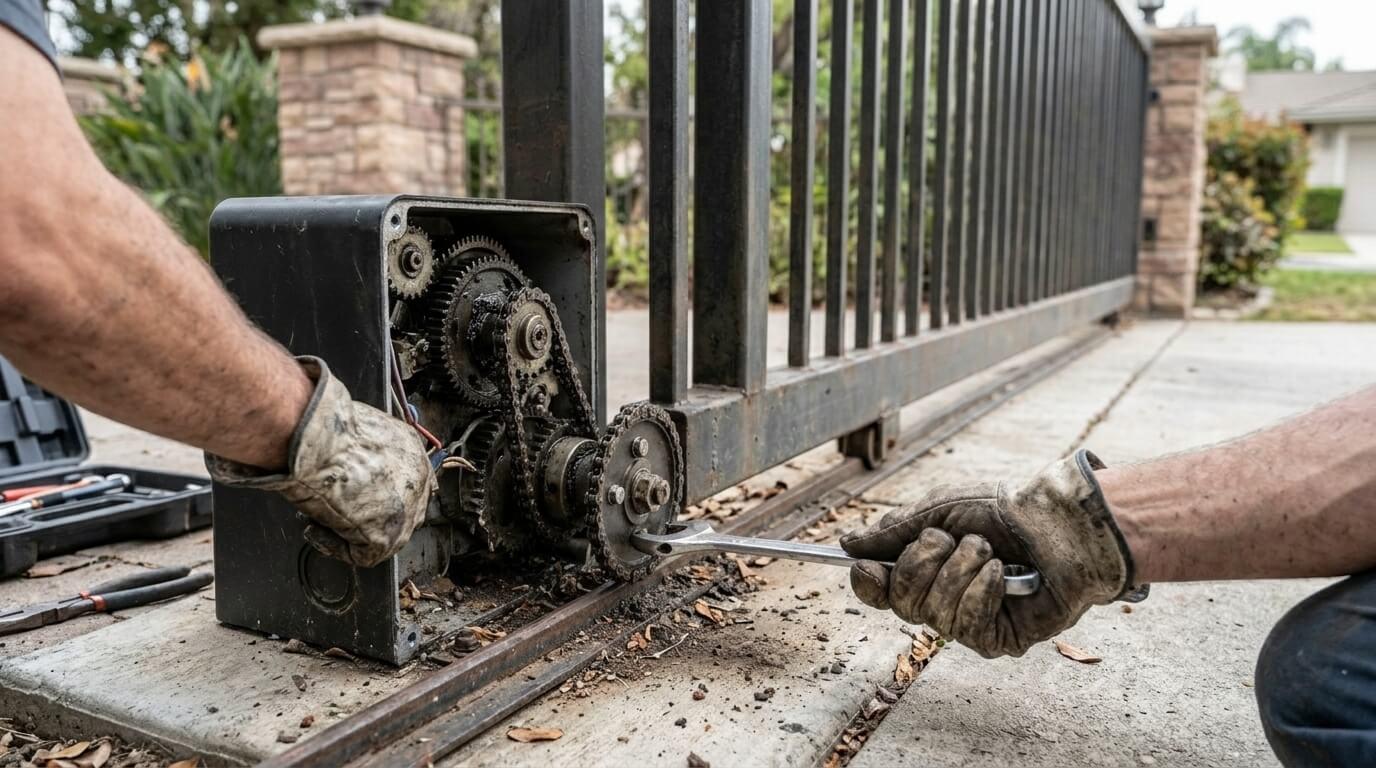
A gate is easy to take for granted until it stops doing its job. When a driveway gate won't open, a sliding gate jams halfway, or an access gate won't latch at night, the effect goes beyond inconvenience. Deliveries get blocked, tenants get stuck, and a property can be left open or locked out. For homeowners, property managers, and business operators searching for gate repair The Woodlands TX has to offer, knowing what typically goes wrong, and what a professional visit involves, makes the next call a lot easier.
This guide covers the most common gate problems, how they differ between swing and sliding systems, what's reasonable to check yourself, and when to bring in a trained technician.
The Main Gate Types
Different gates fail in different ways, so it helps to know what you have.
|
Gate Type |
How It Moves |
Common Weak Points |
|
Swing gate |
Opens on hinges, either one leaf or two |
Hinges, posts, operator arms, sagging, ground clearance |
|
Sliding gate |
Rolls along a track or hangs on a rail |
Rollers, tracks, debris, drive chain or rack, alignment |
|
Manual gate |
Opened by hand |
Hinges, latches, locks, sagging |
|
Automatic or electric gate |
Moved by a motorized operator |
Motor, control board, sensors, power, remotes |
Many properties combine these: an automatic sliding gate at the entrance, say, and manual pedestrian gates along the fence.
Common Gate Problems
1. The Gate Won't Open or Close
This is the most reported problem. For automatic gates, typical causes include:
-
A dead battery in the remote or keypad
-
A power issue, such as a tripped breaker or a failed power supply
-
Safety sensors blocked, dirty, or misaligned
-
A control board fault
-
A mechanical obstruction in the gate's path
For manual gates, a stuck gate often points to sagging hinges, shifted posts, or debris.
2. Slow, Jerky, or Inconsistent Movement
A gate that's slower than it used to be, or that stutters mid-travel, is usually showing wear:
-
Worn rollers or a dirty track on sliding gates
-
Hinge wear on swing gates
-
A weakening motor
-
Dry or corroded moving parts
-
Misalignment that causes binding
3. Unusual Noises
|
Sound |
What It Often Suggests |
|
Grinding |
Worn rollers, debris in the track, or gear wear |
|
Squealing |
Dry hinges or rollers |
|
Clicking with no movement |
Motor or gear issue |
|
Rattling |
Loose hardware or brackets |
|
Humming without motion |
Motor engaged but mechanically stuck |
4. Sagging or Misaligned Gates
Heavy swing gates, in particular, can sag over time because of loosened hinge bolts, worn hinge pins, shifting posts, or ground settling. A sagging gate may drag, catch on the ground, or fail to latch, which affects both function and security.
5. Remote, Keypad, and Access Control Problems
Remotes that respond inconsistently, keypads with dead buttons, and intercom or access systems that drop out are common frustrations. Causes range from weak batteries and programming problems to wiring faults, water intrusion, and failing receivers.
6. Safety Sensor Malfunctions
Automatic gates typically use sensors that detect obstructions and stop or reverse movement. A sensor that's dirty, out of alignment, or failing can cause the gate to stall, refuse to close, or in worse cases fail to detect an obstruction. That last scenario is a safety concern worth addressing promptly.
7. Latch, Lock, and Release Issues
Gates that don't latch, locks that stick, and manual release mechanisms that won't engage can leave a property insecure or make it hard to open the gate during a power outage.
8. Power, Battery, and Solar Problems
Hardwired systems can fail from tripped breakers, surges, or wiring issues. Solar-powered operators depend on clean panels, adequate sunlight, and healthy batteries. After storms or long overcast stretches, power problems are common.
9. Rust and Weather Wear
Humidity encourages rust on hinges, tracks, fasteners, and frames. Water intrusion can also affect keypads, receivers, and control boxes. Local climate makes regular inspection worthwhile.
10. Damage From Impact
Vehicle bumps, delivery trucks, and storm debris can bend frames, knock posts out of alignment, or damage operators and sensors.
What You Can Reasonably Check Yourself
Some checks are simple and low risk:
-
Replace remote and keypad batteries
-
Confirm the operator has power, including breakers and connections
-
Clean safety sensors and check alignment
-
Clear debris from tracks and the gate's path
-
Lubricate hinges, rollers, and tracks with a suitable outdoor lubricant
-
Tighten visible loose hardware
-
Try the manual release to see whether the gate moves freely without the operator, following the manufacturer's instructions
If any of these steps resolve the problem, you've saved a service call. If not, you've gathered useful information for the technician.
When to Call a Professional
Certain situations call for trained help rather than experimentation:
-
The gate won't move, even after basic checks
-
The motor runs but the gate doesn't move
-
Control board, wiring, or electrical faults are suspected
-
Safety sensors aren't working reliably
-
The gate is bent, off its track, or visibly damaged
-
Posts have shifted, or the gate sags significantly
-
The same issue keeps coming back
-
The gate is stuck open or closed, affecting security or access
-
You smell burning, see sparking, or find an unusually hot operator
Gates are heavy, and automatic ones involve electricity and moving parts that can injure people. Attempting to bypass sensors, force a stuck gate, or open an operator housing is a good way to create a bigger problem.
How Professional Repair Helps
A good technician doesn't just replace whatever looks broken. A thorough visit typically includes:
-
Symptom review: what's happening, when it started, and what's been tried
-
Inspection of the whole system: gate, hinges or rollers, track, posts, operator, sensors, access devices, and power
-
Testing: movement, safety reversal, limit settings, and remote or keypad response
-
Diagnosis: a clear explanation of what failed and why
-
A written estimate before additional work begins
-
The repair itself, such as replacing a worn roller, realigning a gate, repairing wiring, or replacing an operator part
-
Recalibration and final testing
-
A summary of what was done and what to monitor
This approach tends to fix the cause rather than the symptom, which means fewer repeat visits.
Residential vs. Commercial Needs
Priorities differ depending on who uses the gate:
|
Property Type |
What Often Matters Most |
|
Homeowner |
Reliable daily operation, safety around kids and pets, curb appeal |
|
HOA or community |
Consistent access for many users, durability, documentation |
|
Property manager |
Quick response, tenant access, predictable costs |
|
Business or commercial site |
Minimal downtime, delivery access, security, higher cycle counts |
Commercial gates see heavier traffic, so they often benefit from more frequent inspection and a provider who can respond quickly when access is blocked.
Emergency Situations
Some gate failures can't wait. Examples include a gate stuck open overnight, one that won't release during a power outage, or a damaged gate after an accident. In those cases:
-
Keep people and vehicles clear of the gate's path
-
Don't force the gate or disable safety features
-
Use the manual release only as the manufacturer directs
-
Arrange temporary security measures for the property if the gate is stuck open
-
Call a professional, and tell them it's urgent and why
Choosing a Gate Repair Provider
Because gates combine mechanical, electrical, and structural work, provider choice matters. Look for:
-
Licensing and insurance, confirmed directly
-
Experience with your gate type: swing, sliding, manual, or automatic
-
Familiarity with operators and access control
-
Written, itemized estimates
-
Clear warranty terms
-
Availability for urgent calls
-
Willingness to explain what failed and why
Providers that also service garage doors, openers, and related hardware often bring useful overlap in motors, sensors, and safety systems. A local company such as 2Quick Garage Doors, which handles garage door repair alongside gate work, is an example of the kind of provider property owners in the area can compare. If you'd like to see how a focused provider describes its process, reading about Gate Repair The Woodlands TX can help you judge whether their approach covers the whole-system inspection described above.
Keeping Gates Working: Routine Maintenance
A little regular attention prevents many of the problems above:
-
Monthly: watch a full open-and-close cycle, listen for new noises, and check sensor lights
-
Every few months: lubricate hinges, rollers, and tracks; clear debris; tighten visible hardware
-
Twice a year: inspect for rust, loose posts, and worn parts; replace remote and keypad batteries
-
After storms: check power, sensors, and wiring connections for moisture or disturbance
-
Annually: schedule a professional inspection, especially for automatic and high-traffic gates
For properties with multiple gates, a simple log of inspections and repairs makes it easier to plan ahead.
Frequently Asked Questions
How often should an automatic gate be professionally serviced? Once a year is a reasonable baseline. Heavily used gates, such as those at commercial sites or communities, may benefit from more frequent attention.
Why does my gate work sometimes and not others? Intermittent problems often come from loose connections, inconsistent sensor readings, weak batteries, or an aging control board. Notes on when it happens help a technician diagnose it.
Can I bypass a faulty safety sensor to keep the gate working? No. Sensors protect people and property. Bypassing them can create serious safety risks, so have the system repaired instead.
Why does my gate stop working after storms? Power surges, moisture in control boxes or keypads, and debris on sensors are common causes. If the problem persists after power returns, a professional inspection can find any storm-related damage.
Is a sagging gate a serious problem? It can be. Sagging can cause dragging, latch failure, and extra strain on hinges or operators, so it's worth addressing before it worsens.
Can solar-powered gates be repaired like standard ones? Yes, though the power side needs attention too, including clean panels and healthy batteries.
What should I tell the technician when I call? Describe the symptoms, when they started, what you've tried, the gate type, and any storm or impact event that preceded it.
Final Thoughts
Most gate problems fall into familiar categories: power and battery issues, sensor trouble, worn hinges and rollers, misalignment, and aging operators or access devices. Simple checks resolve some, but safety systems, wiring, motors, and structural issues deserve trained attention. Pair regular maintenance with a professional who explains what they find, and you'll spend less time dealing with stuck gates and more time with a property that's accessible and secure.

 English
 Arabic
 French
 Spanish
 Portuguese
 Turkish
 Dutch
 Italiano
 Russian
 Romaian
 Portuguese (Brazil)
 Greek