
Kidney Transplant Mauritius: A Complete Guide to Treatment, Recovery, and Patient Care
Introduction
Kidney health plays an essential role in maintaining overall well-being. The kidneys help remove waste products from the blood, regulate fluid levels, balance important minerals, and support several vital functions in the body. When the kidneys become severely damaged and can no longer perform these functions effectively, patients may need specialised medical treatment, including dialysis or a kidney transplant.
For people exploring kidney transplant Mauritius, understanding the available healthcare facilities, transplant evaluation process, treatment options, and long-term care requirements is an important first step. Mauritius has been expanding its specialised renal healthcare services, with dedicated transplant facilities and collaboration between local medical professionals and international transplant specialists.
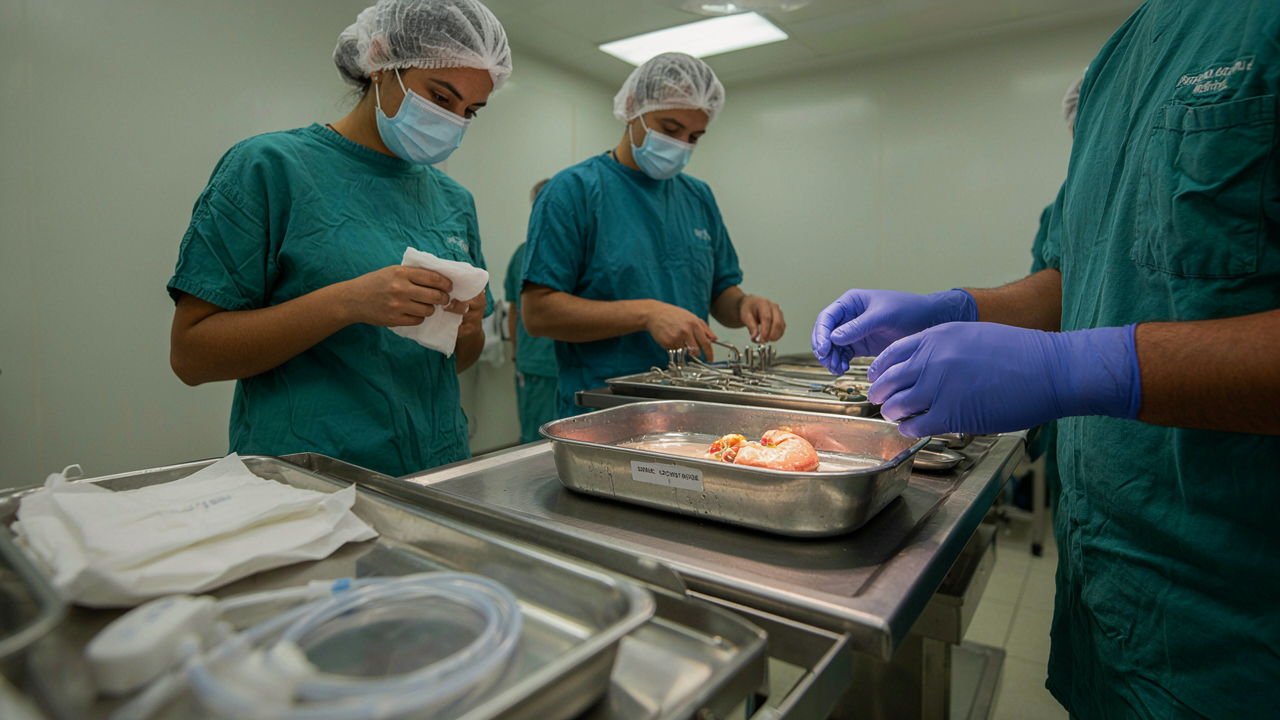
In May 2026, Mauritius reported its first kidney transplant surgery at the newly inaugurated Renal Transplant Unit at Jawaharlal Nehru Hospital in Rose Belle. This development represents an important step towards improving access to specialised kidney care within the country.
Whether someone has recently been diagnosed with advanced kidney disease or has been receiving dialysis for several years, learning about kidney transplantation can help them prepare for informed discussions with qualified healthcare professionals.
Understanding Kidney Disease and the Need for a Transplant
Kidney disease can develop gradually over many years. In its early stages, it may cause few noticeable symptoms. As the condition progresses, however, the kidneys may lose their ability to filter waste and excess fluid effectively.
Several health conditions can contribute to chronic kidney disease. Diabetes and high blood pressure are among the common causes, while inherited kidney disorders, autoimmune diseases, recurrent kidney infections, and certain other medical conditions can also damage kidney function.
When kidney function becomes severely reduced, patients may experience fatigue, swelling in the legs, changes in urination, nausea, reduced appetite, or difficulty managing fluid levels. These symptoms can vary considerably, and some patients experience few obvious warning signs even when kidney disease is advanced.
A kidney transplant involves placing a healthy kidney from a suitable donor into a recipient whose kidneys no longer function adequately. The transplanted kidney can take over many of the functions previously performed by the damaged kidneys.
For eligible patients, transplantation may offer greater flexibility in daily life compared with ongoing dialysis. However, it is a major medical procedure, and not every patient is suitable for transplantation. The decision depends on an individual's health, medical history, donor availability, and the assessment of the transplant team.
Exploring Kidney Transplant Mauritius Services
Mauritius has taken important steps to strengthen its capacity to provide specialised renal treatment locally. Government healthcare initiatives have focused on improving transplant infrastructure, supporting specialist training, and developing collaboration with experienced international medical teams.
The Renal Transplant Unit at Jawaharlal Nehru Hospital in Rose Belle was inaugurated in April 2026. The facility subsequently performed its first kidney transplant surgery in May 2026 with the involvement of international specialists and Mauritian healthcare professionals.
These developments are encouraging for patients who previously needed to explore treatment overseas. Access to local specialist services can potentially reduce some of the logistical challenges associated with international medical travel.
Nevertheless, patients should understand that the availability of transplant services does not automatically mean that surgery can be scheduled immediately. Each case requires careful assessment, compatible donor arrangements where applicable, suitable medical facilities, and coordination among the professionals involved.
People researching kidney transplant Mauritius should therefore contact an appropriate hospital or renal specialist to confirm current eligibility requirements, waiting arrangements, service availability, and the process for accessing treatment.
Who May Be Eligible for a Kidney Transplant?
Kidney transplantation is generally considered for patients with advanced or end-stage kidney disease when a transplant is medically appropriate.
However, eligibility is determined individually. A diagnosis of kidney failure alone does not guarantee that transplantation is the safest or most suitable treatment.
During the assessment, doctors may consider the patient's age, overall physical condition, cardiovascular health, history of infections, other medical conditions, and ability to follow the treatment plan after surgery.
Patients may also undergo investigations to identify conditions that could increase surgical risks or affect the long-term function of the transplanted kidney.
Psychological readiness, family support, access to medication, and the ability to attend regular follow-up appointments can also be important considerations.
A transplant team may recommend additional treatment before surgery to improve a patient's health or address a medical concern. In other cases, the team may determine that continuing dialysis or pursuing another treatment approach is more appropriate.
The most important step is to have an honest discussion with a qualified nephrologist who can explain the potential benefits, risks, and alternatives based on the patient's individual circumstances.
The Importance of Finding a Suitable Kidney Donor
Finding an appropriate donor is one of the most important aspects of kidney transplantation.
A transplant may involve a living donor, provided the donation is medically appropriate and complies with applicable laws and ethical requirements. The donor must undergo a comprehensive assessment to establish that donation is safe for them and that the kidney is suitable for the intended recipient.
Donor evaluation commonly includes blood tests, kidney function assessments, imaging investigations, and a review of medical history. The transplant team may also assess blood group compatibility, tissue compatibility, and the possibility of an immune reaction between donor and recipient.
In certain circumstances, a donor and recipient may not be directly compatible. Specialist teams can explain whether any legally permitted alternative arrangements are available.
It is essential that donation remains voluntary and free from coercion. Donors should receive independent medical advice and understand the possible short-term and long-term implications before making a decision.
For families considering kidney transplant Mauritius services, early communication with the transplant team can help clarify the donor assessment process and identify the investigations required.
Patients should never assume that a relative is automatically eligible to donate simply because they share a family relationship.
What Happens During the Kidney Transplant Evaluation?
Before surgery can take place, both the potential recipient and the donor, where applicable, must complete several medical assessments.
The evaluation helps doctors understand the patient's current health, identify potential complications, and determine whether transplantation is a reasonable option.
Medical history and physical examination
The medical team reviews previous illnesses, medications, surgeries, allergies, and existing health conditions. A physical examination helps establish the patient's general health and identify issues requiring further investigation.
Blood and urine investigations
Laboratory tests help assess kidney function, blood counts, blood group, infection status, and other relevant indicators. Additional tests may be required depending on the patient's condition.
Heart and other specialist assessments
Since transplant surgery places demands on the body, patients may require cardiac investigations and assessments by other specialists. These tests help determine whether the patient can safely undergo surgery.
Immunological compatibility testing
Specialised tests are used to assess compatibility between the donor and recipient. These investigations help the transplant team estimate the risk of rejection and plan appropriate treatment.
Final transplant planning
Once the investigations are complete, the transplant team reviews the findings and discusses the next steps with the patient. Some individuals may need additional tests or treatment before a final decision can be made.
This thorough process is necessary because successful transplantation involves much more than the surgical procedure itself. Careful preparation helps the medical team make decisions that prioritise the safety of both donor and recipient.
What Happens During Kidney Transplant Surgery?
Kidney transplantation is a complex operation performed by a specialised surgical team.
In a typical procedure, the donor kidney is placed in the recipient's lower abdomen. The surgeon connects its blood vessels to the recipient's blood vessels and connects the ureter, which carries urine from the kidney, to the bladder.
The patient's original kidneys are generally left in place unless there is a medical reason to remove them.
The length of surgery and the subsequent hospital stay depend on several factors, including the patient's health, the complexity of the operation, and how well the transplanted kidney begins functioning.
After surgery, the patient is monitored closely. The medical team checks kidney function, urine output, fluid balance, blood pressure, and signs of complications.
Some transplanted kidneys begin working promptly, while others take longer to function adequately. In certain cases, temporary dialysis may still be necessary after the operation.
Patients should understand that transplantation is not a guaranteed cure. It is a treatment that requires ongoing medical supervision and a long-term commitment to protecting the transplanted kidney.
Recovery and Life After a Kidney Transplant
Recovery after kidney transplant surgery takes time, and every patient's experience is different.
During the early recovery period, healthcare professionals monitor the patient's progress, adjust medications, and check for signs of infection or rejection.
Once the patient is discharged, follow-up appointments remain essential. Regular blood tests help doctors monitor kidney function and identify potential complications before they become more serious.
Patients usually receive immunosuppressive medication to reduce the risk of the immune system attacking the transplanted kidney. These medicines must be taken exactly as prescribed.
Stopping medication or changing the dosage without medical advice can increase the risk of rejection and other complications.
Everyday habits also play an important role in recovery. Patients are generally encouraged to follow their medical team's recommendations regarding nutrition, hydration, physical activity, and personal hygiene.
A balanced diet, appropriate exercise, good blood pressure control, and careful management of diabetes can help support overall health.
Because immunosuppressive medication can increase susceptibility to infections, patients should follow advice on vaccinations, food safety, and avoiding exposure to infectious illnesses.
Emotional support is equally important. The transplant journey may involve uncertainty, financial concerns, lifestyle adjustments, and anxiety about the future. Support from family members, healthcare professionals, and patient support groups can make the adjustment easier.
Understanding the Risks and Possible Complications
Although kidney transplantation can provide substantial benefits for suitable patients, it carries risks that must be discussed before surgery.
Possible complications include bleeding, blood clots, infection, delayed graft function, and problems involving the transplanted kidney or urinary tract.
Another important concern is organ rejection. Rejection occurs when the recipient's immune system recognises the transplanted kidney as foreign and attacks it.
Immunosuppressive medicines help reduce this risk, but they can also cause side effects. These may include an increased risk of infection, high blood pressure, elevated blood sugar, and other medication-related problems.
The risk of complications varies according to the patient's health, the donor kidney, the surgical circumstances, and the effectiveness of ongoing treatment.
Patients should ask their transplant team which warning signs require urgent medical attention. A significant reduction in urine output, fever, worsening swelling, unusual pain, or other concerning symptoms should be reported promptly according to the team's instructions.
Understanding these risks does not mean that transplantation should be avoided. Instead, it allows patients and families to make informed decisions and prepare for responsible long-term care.
Kidney Transplant Mauritius: Local Treatment and Overseas Options
Patients exploring kidney transplantation may wonder whether they should seek treatment locally or consider travelling abroad.
The most appropriate choice depends on individual medical circumstances, current service availability, donor arrangements, financial considerations, and the need for continuing care.
With the development of the Renal Transplant Unit at Jawaharlal Nehru Hospital, Mauritius has strengthened its local transplant infrastructure. Government announcements have also highlighted collaboration with international specialists to support procedures and develop local expertise.
For some patients, local treatment may make communication with their existing healthcare providers and attendance at follow-up appointments more convenient.
Other patients may need a specialist opinion from an overseas transplant centre, depending on their clinical needs and the services currently available.
When comparing options, patients should consider more than the cost of surgery. They should also assess the experience of the transplant team, donor evaluation arrangements, hospital facilities, medication availability, emergency support, and the practical requirements for lifelong follow-up.
Anyone considering treatment abroad should arrange coordination between the overseas transplant team and their local nephrologist before travelling.
It is also important to confirm that the proposed transplant and donor arrangements comply with the laws of the relevant countries. Patients should avoid providers who promise guaranteed outcomes or offer transplantation without proper medical evaluation.
The Importance of Long-Term Kidney Care
A successful kidney transplant requires continued attention long after the operation.
Regular consultations allow doctors to assess kidney function, review medication, manage blood pressure, and identify complications early.
Patients should maintain an updated list of their medicines and attend all scheduled appointments. They should also inform healthcare professionals about their transplant status before starting new medicines, supplements, or herbal products.
Certain medications can affect kidney function or interact with immunosuppressive treatment. Even common pain relievers and over-the-counter products may not be suitable for every transplant recipient.
Preventive healthcare is equally important. Patients should discuss vaccinations, cancer screening, infection prevention, and cardiovascular health with their transplant team.
Family members can support recovery by helping with appointments, medication routines, meal planning, and emotional well-being.
Most importantly, patients should understand that long-term success depends on a partnership between the transplant recipient and the healthcare team. Consistent follow-up and early communication about new symptoms can make a meaningful difference.
How to Prepare for a Kidney Transplant Consultation
Preparing questions before a specialist appointment can help patients understand their options more clearly.
People researching kidney transplant Mauritius services may wish to ask:
-
Am I medically suitable for a kidney transplant?
-
Which investigations do I need to complete?
-
What donor options are available in my circumstances?
-
How long might the evaluation and waiting process take?
-
Which hospital and transplant specialists would manage my treatment?
-
What are the likely costs, and which services are included?
-
What medications will I need after surgery?
-
How frequently will I need follow-up appointments?
-
What emergency care is available if complications develop?
-
Can my existing nephrologist coordinate my care before and after surgery?
Patients should bring relevant medical records, recent laboratory reports, imaging results, and a current list of medications to their appointment.
If a family member is considering donation, they should ask about the donor assessment process and ensure that the donor receives appropriate independent counselling.
These practical steps can make consultations more productive and help families approach the decision with greater confidence.
Conclusion
Kidney transplantation can offer a valuable treatment option for people living with advanced kidney disease, provided they are suitable candidates and have access to appropriate donor and specialist care.
For those researching kidney transplant Mauritius, the development of dedicated renal transplant facilities and collaboration with international medical experts represents an important advancement in the country's specialised healthcare services.
However, every transplant journey is different. Careful medical evaluation, responsible donor assessment, experienced surgical care, access to medication, and regular follow-up are all essential parts of the process.
Patients and families should seek advice from qualified renal specialists, compare available treatment options carefully, and make decisions based on their individual medical needs rather than promises of guaranteed success.
With the right information, professional guidance, and ongoing support, patients can approach kidney transplantation with a clearer understanding of the process and the responsibilities involved in protecting their long-term health.

 English
 Arabic
 French
 Spanish
 Portuguese
 Turkish
 Dutch
 Italiano
 Russian
 Romaian
 Portuguese (Brazil)
 Greek