
What Makes Web Design Bristol Important for Local Companies
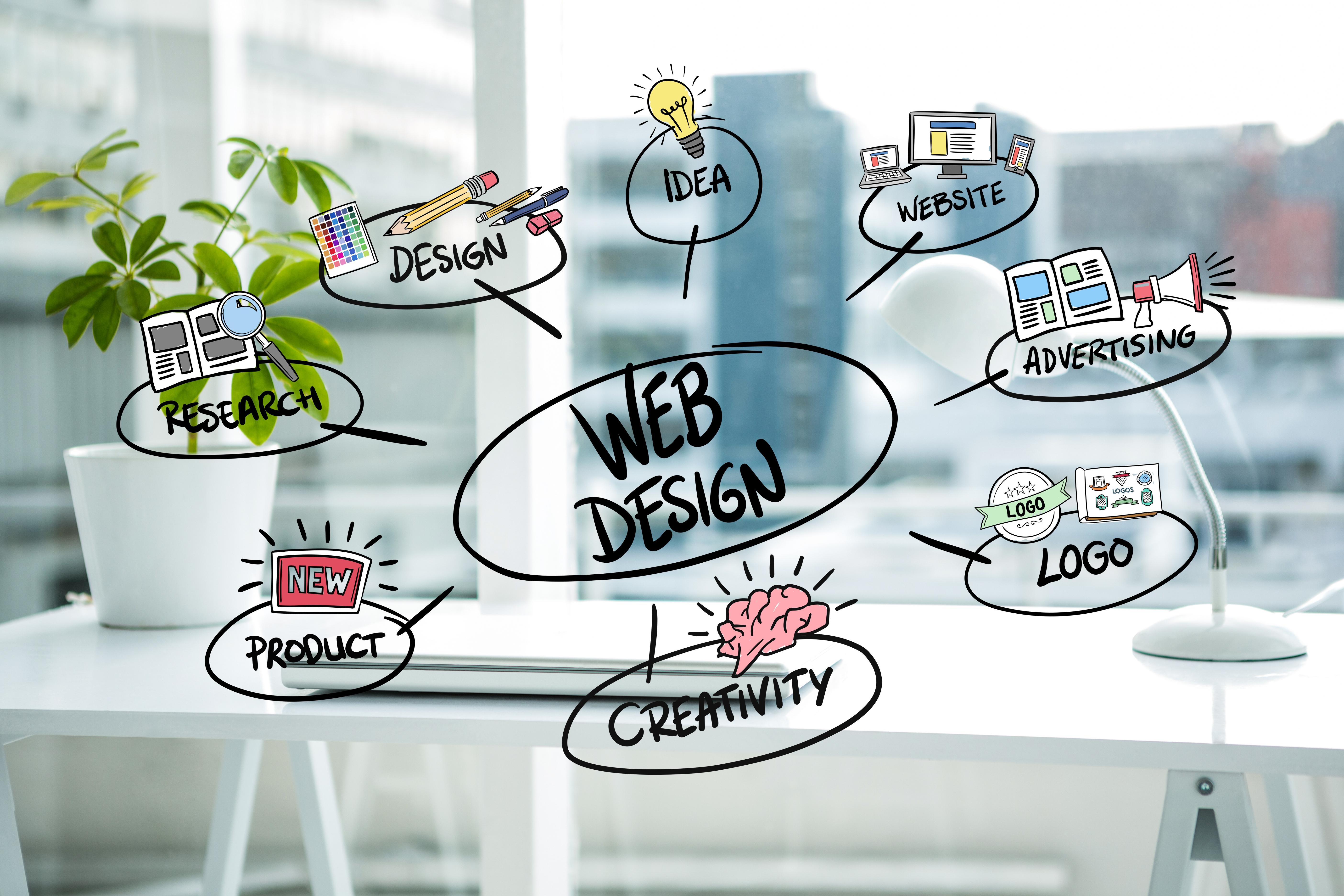

A professional website is an important part of building a successful business in today's digital environment. Customers often visit a company's website before deciding whether to contact the business, explore its services or make a purchase. For this reason, a website should provide clear information, attractive visuals and a smooth browsing experience. Businesses need more than an attractive homepage; they also require responsive layouts, simple navigation, useful content and reliable functionality. Web design Bristol helps local companies develop websites that represent their brand, communicate their services and meet customer expectations. By combining creative design with practical website features, businesses can build a stronger online presence and provide visitors with a better experience.
Creating a Professional First Impression
A website is often the first point of contact between a business and a potential customer. Its appearance can influence how visitors perceive the company and whether they decide to explore further. Professional web design Bristol focuses on creating a balanced layout that communicates credibility and makes important information easy to understand.
Building a Consistent Brand Appearance
A consistent brand appearance helps visitors recognise a business across different website pages. Colours, typography, logos and images should follow a similar visual style to create a professional identity.
Businesses should choose design elements that reflect their services and audience. A suitable visual approach makes the website feel organised and helps communicate the company's personality.
Making the Homepage More Engaging
The homepage should introduce the business and explain what it offers. Clear headings, relevant images and short descriptions help visitors understand the company's main services.
A well-organised homepage also provides access to important sections such as About, Services and Contact. This makes it easier for visitors to find useful information without unnecessary searching.
Improving Website Navigation
Website navigation plays an important role in helping visitors move between different pages. Complicated menus and poorly organised sections can make it difficult to locate information. Effective web design Bristol considers how users interact with a website and creates navigation that feels simple and natural.
Organising Website Menus
A navigation menu should contain clear labels that explain the purpose of each page. Common sections include Home, About Us, Services, Blog and Contact.
Businesses offering several services can organise related pages into categories. This structure makes the website easier to explore and helps visitors understand the available options.
Making Important Pages Accessible
Important information should not be hidden behind complicated navigation. Visitors should be able to locate service descriptions, business details and contact information without difficulty.
Internal links can connect related pages and guide visitors towards useful content. A logical page structure also makes website maintenance and future updates easier.
Developing Mobile Friendly Websites
Many customers browse websites using smartphones and tablets. A website that works properly only on desktop computers may create difficulties for mobile visitors. Modern web design Bristol includes responsive layouts that adjust to different screen sizes and provide a consistent browsing experience.
Adapting Layouts for Smaller Screens
Responsive layouts automatically adjust website elements according to the available screen space. Text, images, menus and content sections should remain readable and properly arranged on smaller devices.
Designers should avoid layouts that require unnecessary horizontal scrolling. Flexible images and suitable spacing help maintain a clean appearance across different screens.
Improving Mobile Navigation
Mobile navigation should be simple and comfortable to use. Dropdown menus, clearly visible buttons and accessible navigation icons can help visitors move around the website.
Buttons should have enough space for touch interaction, while important links should remain easy to identify. Testing the website on different devices helps reveal usability problems before they affect customers.
Choosing Suitable Website Colours and Typography
Colours and typography influence how visitors experience a website. They help communicate brand personality, organise information and make content easier to read. A professional web design Bristol project should use these elements carefully to create a consistent and attractive appearance.
Selecting Colours That Match the Business
Website colours should reflect the company's identity and the type of services it provides. A limited colour palette can create a professional appearance while helping important elements stand out.
Businesses should also consider colour contrast. Text needs to remain readable against its background, and important buttons should be visually distinguishable from surrounding content.
Using Clear and Readable Fonts
Typography affects how easily visitors understand website information. Designers should choose fonts that remain clear on desktop and mobile screens.
Different font sizes and weights can create a useful content hierarchy. Larger headings introduce topics, while smaller paragraphs provide supporting details. Consistent typography makes pages easier to scan.
Presenting Services and Products Clearly
Customers visit business websites because they want information about specific products or services. If this information is difficult to understand, visitors may leave without making an enquiry. Web design Bristol helps businesses organise their offerings into clear sections that explain what customers can expect.
Creating Dedicated Service Pages
Dedicated service pages allow businesses to explain individual offerings in greater detail. Each page can include an introduction, key features, relevant images and answers to common customer questions.
This structure is particularly useful for companies offering multiple services. Visitors can explore the specific information that relates to their requirements rather than reading everything on a single page.
Using Visual Content to Explain Services
Images, diagrams and illustrations can help explain services more effectively. For example, a web development company might use project screenshots to demonstrate its work and explain different website features.
Visual content should always be relevant to the page. Carefully selected images support written information and help visitors understand what the business provides.
Making Websites Faster and More Reliable
Website speed affects how visitors interact with online content. Slow pages can interrupt browsing and make it difficult for customers to access important information. Quality web design Bristol should consider performance during the planning and development stages rather than treating it as a final adjustment.
Optimising Images and Media Files
Large image files can increase loading times, particularly on mobile connections. Compressing images and selecting appropriate file formats can reduce unnecessary file sizes without significantly affecting visual quality.
Businesses should also avoid adding too many large videos or decorative elements to individual pages. Using media carefully helps maintain a balance between visual presentation and performance.
Maintaining Website Functionality
A reliable website needs working links, properly functioning forms and accessible navigation. Broken buttons or missing pages can create frustration and affect customer confidence.
Regular testing helps identify technical problems before they become serious. Businesses should review important website functions after updates and check that the main features continue to work correctly.
Improving User Experience Through Website Design
User experience describes how visitors interact with a website and how easily they complete their intended actions. A website should provide a clear path from the first page to the information or service a visitor needs. Effective web design Bristol combines attractive presentation with practical features to make browsing more comfortable.
Understanding Customer Requirements
Before designing a website, businesses should understand their target audience. Different customers may have different expectations depending on their interests, needs and reasons for visiting.
For example, someone looking for a local service may want pricing information, service details and contact options. Understanding these requirements helps designers organise pages around real customer needs.
Making Website Actions Clear
Visitors should understand what they can do next when exploring a website. Clear buttons and useful links can guide people towards contacting the business, requesting information or viewing available services.
Calls to action should use straightforward wording and appear in suitable locations. Avoiding excessive buttons and competing messages keeps the browsing experience focused.
Building Trust Through Website Design
Customer confidence is an important consideration when developing a business website. Visitors want to know whether a company is genuine, professional and capable of providing the advertised services. Professional web design Bristol can support trust by presenting accurate business information and creating a consistent online experience.
Displaying Genuine Business Information
A business website should include accurate contact details, company information and descriptions of its services. Visitors should be able to understand who operates the business and how to get in touch.
Providing a clear About page and accessible contact section helps remove uncertainty. Businesses should regularly review their information to ensure that phone numbers, addresses and other details remain correct.
Including Reviews and Previous Work
Customer reviews and project examples can help visitors understand the experience a business provides. Testimonials should be genuine and presented in a readable format.
Portfolio sections are particularly useful for service providers. They allow potential customers to explore previous projects and see examples of the company's work before making an enquiry.
Supporting Search Engine Visibility
Website design and search engine optimisation work together to improve how a business presents information online. A well-structured website helps visitors navigate its content and allows search engines to understand the relationship between different pages. Web design Bristol should therefore consider SEO requirements during the development process.
Creating Search Friendly Page Structures
Clear page headings, descriptive URLs and organised content help establish the purpose of individual website pages. Each page should focus on a specific subject and provide useful information for visitors.
Internal linking also connects related topics and helps users discover additional resources. A logical structure supports both navigation and website organisation.
Considering Technical SEO Requirements
Technical elements such as mobile responsiveness, page speed, secure browsing and crawlable links contribute to a website's overall quality.
Businesses should also pay attention to image descriptions, sitemap configuration and suitable metadata. These elements help search engines understand website content and support broader SEO activities.
Planning Websites for Long Term Business Growth
A business website should be designed with future requirements in mind. Companies may introduce new services, expand their customer base or need additional website functionality as they develop. Flexible web design agency Bristol allows businesses to make these changes without rebuilding the entire website.
Creating Flexible Website Structures
A flexible website structure makes it easier to add new pages, service categories and content sections. Choosing a suitable content management system can also help businesses manage routine updates.
Businesses should avoid unnecessarily complicated website structures. A well-organised foundation makes future development more manageable and helps maintain consistency.
Reviewing Website Performance Regularly
Website development does not end when the website goes live. Businesses should review visitor behaviour, page performance and customer feedback to identify areas that need improvement.
Tools such as Google Analytics and Google Search Console can provide useful information about website traffic and search performance. Regular reviews help businesses make informed changes and keep their websites aligned with customer expectations.
Conclusion
A successful business website combines professional presentation, useful information, responsive functionality and a positive user experience. Every element, from homepage layouts and navigation menus to website speed and search engine structure, contributes to how visitors interact with a company online. Businesses should focus on creating websites that are easy to understand, simple to navigate and flexible enough to support future development. Investing in professional web design Bristol can help local companies establish a recognisable online identity, build customer confidence and provide a better experience for their audiences.

 English
 Arabic
 French
 Spanish
 Portuguese
 Deutsch
 Turkish
 Dutch
 Italiano
 Romaian
 Portuguese (Brazil)
 Greek