
What Should You Check When Searching for Hair Transplant Near Me?
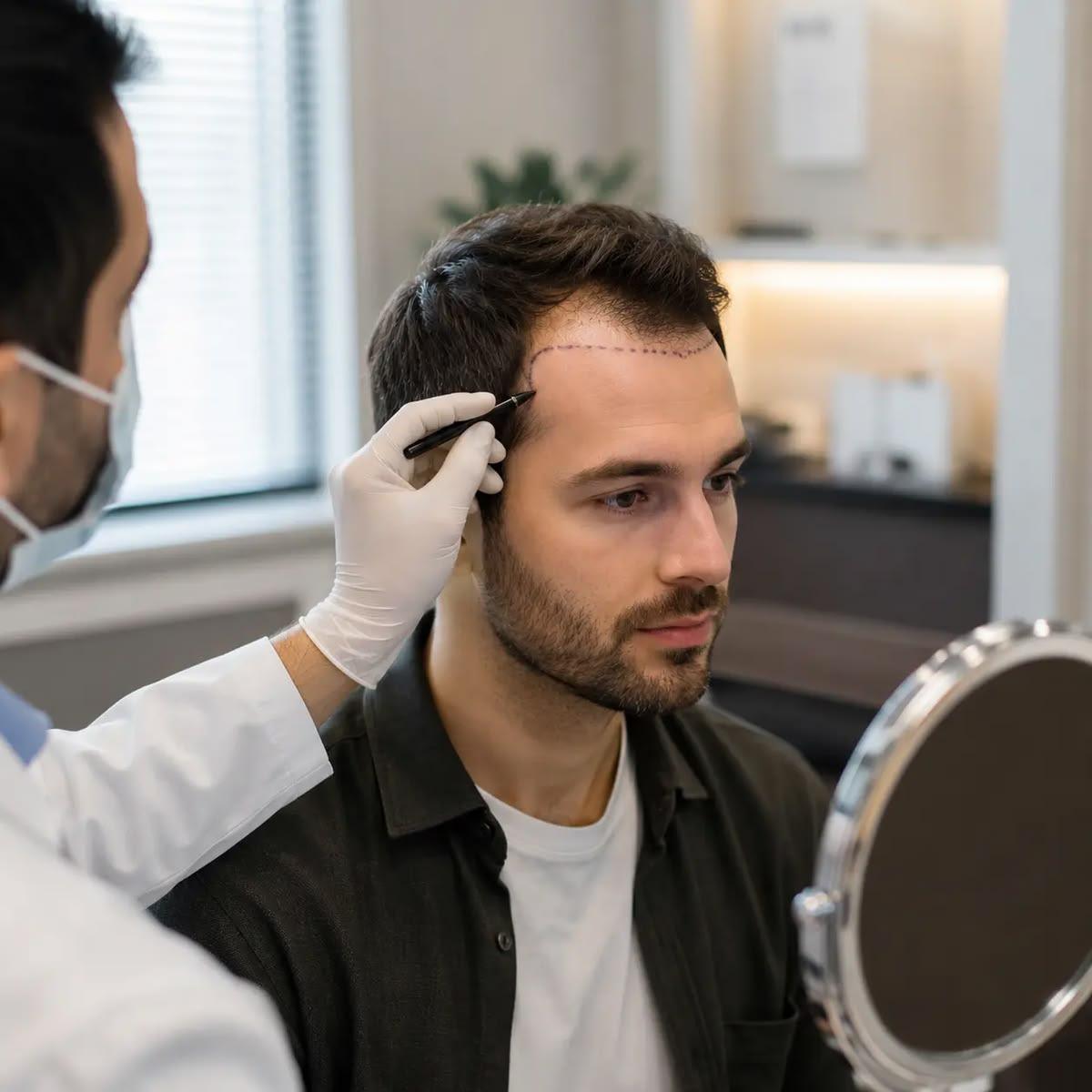
Navigating Local Options for Hair Restoration
Searching for a reliable clinic when looking up a phrase like Hair Transplant Near Me can quickly feel overwhelming due to the sheer volume of choices available. While proximity offers undeniable convenience for post-operative visits and routine follow-ups, distance should never be the sole deciding factor in a medical decision. Hair transplantation is a precise surgical procedure that combines clinical skill with artistic hairline design. Choosing an unverified local center simply based on convenience or aggressive marketing can compromise your safety and permanently damage your limited donor hair supply. A thorough evaluation process requires looking beyond advertised promises to inspect surgeon credentials, clinical accreditation, diagnostic protocols, and genuine patient outcomes. By approaching your local search with structured evaluation criteria, you can choose a facility that meets rigorous standards of patient safety and surgical excellence.
Verifying Surgeon Qualifications and Clinical Credentials
The expertise of the operating surgeon is the most critical factor influencing the safety and final appearance of your procedure. Hair restoration requires deep knowledge of scalp anatomy, follicle physiology, and facial aesthetics. When evaluating a local clinic, confirm that the lead practitioner is a qualified medical doctor with specialized training in plastic surgery, dermatology, or accredited hair restoration. Ask directly about the surgeon's hands-on involvement during the procedure. In high-standard facilities, licensed doctors handle vital steps like donor harvesting, graft handling, and recipient site creation, rather than handing them off entirely to uncertified technicians. Reviewing verified medical board registrations and asking about specific experience with advanced micro-surgical procedures gives you confidence that your scalp is in capable, ethical hands.
Understanding Diagnostic Thoroughness and Scalp Analysis
A thorough diagnostic examination is the foundation of any safe, effective restoration plan. Reputable clinics never rush patients directly into surgery without a complete medical evaluation. During your initial visit for Hair Loss Treatment Delhi, the medical team should perform microscopic trichoscopy to examine hair shaft diameter, follicular miniaturization rates, and underlying scalp health. This evaluation helps distinguish androgenetic alopecia (pattern baldness) from inflammatory or autoimmune hair conditions that might make surgery unsuitable. Furthermore, clinicians must measure your permanent donor area density to ensure you have enough healthy hair follicles to meet your coverage goals. Proper diagnostic planning protects surrounding native hair and ensures surgical intervention is performed only when hair loss patterns have stabilized.
Evaluating Modern Surgical Techniques: FUE vs. FUT
Understanding the differences between modern extraction methods allows you to participate actively in choosing your treatment path. During consultations at a top Hair Transplant Clinic Delhi, clinicians will explain the primary surgical options: Follicular Unit Extraction (FUE) and Follicular Unit Transplantation (FUT). FUE involves extracting individual graft units directly using micro-punch devices, leaving minimal micro-dot scars that heal discreetly. FUT involves harvesting a small strip of donor tissue that is dissected into individual grafts under high-powered microscopes, which leaves a linear scar. If you prefer short hairstyles or want a faster physical recovery, opting for a FUE Hair Transplant Delhi may be recommended. The right clinic will evaluate your scalp elasticity, donor supply, and aesthetic preferences to recommend the technique best suited to your physiological profile.
Inspecting Operating Room Hygiene and Safety Protocols
Surgical safety should always be your top priority when choosing a medical center. Hair transplantation involves small skin incisions, making strict infection control protocols mandatory. When visiting a Best Hair Transplant Clinic Delhi, pay close attention to the facility's overall cleanliness, sterilization standards, and treatment room equipment. Operating suites must utilize single-use sterile micro-punches, disposable blades, and medical-grade autoclaves for reusable instruments. Furthermore, the clinic must maintain emergency medical equipment, emergency medications, and structured protocols to handle rare adverse reactions or blood pressure fluctuations safely. Choosing a center that strictly follows these safety measures minimizes the risk of post-operative complications and supports healthy tissue healing.
Assessing Hairline Design Principles and Artistic Vision
Creating a natural hairline requires a careful balance of medical precision and artistic vision. A poorly designed hairline—one that is placed too low, drawn completely flat, or angled incorrectly—can look unnatural and age poorly over time. Experienced surgeons designing a Hair Restoration Delhi plan assess facial symmetry, forehead muscle movement, and long-term biological aging. They place single-hair micro-grafts along the front edge to create a soft, feather-like transition zone, positioning denser multi-hair grafts behind to build volume and coverage. Reviewing documented case portfolios allows you to evaluate a surgeon’s ability to recreate natural growth angles, correct directionality, and soft density suited to individual facial structures.
Navigating Pre-Surgical Medical Assessments and Preparation
A responsible clinic prioritizes overall health before scheduling any surgical procedure. Once candidacy is established, prospective patients complete standard pre-operative health screenings. These typically include comprehensive blood work to check hemoglobin levels, blood clotting function, blood glucose stability, and viral screening markers. Your medical team will also review current medications and lifestyle habits, providing instructions to temporarily stop blood-thinning supplements, non-steroidal anti-inflammatory drugs, alcohol, and nicotine prior to surgery. Following these pre-surgical guidelines reduces procedural bleeding, enhances local anaesthesia performance, and improves overall graft survival rates.
Understanding Anaesthesia, In-Procedure Comfort, and Safety
Hair restoration is routinely performed under local anaesthesia, sometimes supplemented with mild oral sedation, keeping you fully awake, comfortable, and pain-free throughout the day. During your initial consultation for a Hair Transplant Delhi, the medical team will explain how local numbing agents are carefully administered to both donor and recipient areas. Clarifying details about procedural length, scheduled rest breaks, and ergonomic patient positioning demonstrates that the clinic prioritizes your physical comfort. Transparent discussion of anaesthesia protocols helps ease procedural anxiety and ensures a smooth, manageable treatment experience.
Managing Post-Operative Recovery, Aftercare, and Growth Milestones
Clear aftercare instructions and ongoing medical support are essential for optimal graft survival and healing. Immediately after surgery, mild localized swelling, minor redness, and tiny crusting around graft sites are normal reactions that clear up over several days. Clinicians provide explicit guidelines on initial gentle scalp washing techniques, sleeping positions, and temporary limits on strenuous workouts or direct sunlight exposure. Patients considering a Hair Transplant in South Delhi should also understand the natural timeline of hair regrowth. Transplanted hair shafts typically shed within two to eight weeks during a natural phase known as "shock loss," while dormant hair roots remain secure below the skin. New hair growth begins around three to four months, with final density and texture maturing fully between twelve and eighteen months post-procedure.
Evaluating Transparent Pricing and True Cost Structure
Financial transparency reflects a clinic's commitment to ethical patient care. Pricing for hair restoration depends on factors such as total graft requirements, surgical technique complexity, surgeon experience, and clinical support services. Rather than choosing options based solely on low upfront rates, look for a clear breakdown of the total Hair Transplant Cost Delhi. A comprehensive quote should explicitly list pre-operative blood panels, surgical facility fees, local anaesthesia, specialized aftercare washing kits, emergency support, and post-operative follow-up visits. Clear pricing prevents unexpected expenses and ensures you receive continuous, safe care throughout your recovery.
Recognizing Potential Risks, Complications, and Realistic Outcomes
Like any minor surgical procedure, hair transplantation carries minor inherent risks that must be understood prior to treatment. Potential temporary side effects include mild folliculitis (inflammation of hair follicles), minor localized numbness, transient swelling around the forehead, temporary itching, and uneven initial regrowth. Extremely rare complications, such as localized infection or poor graft survival, are minimized when procedures are performed by experienced surgeons using sterile technique. Crucially, surgical hair restoration permanently moves existing, healthy follicles but cannot stop the progression of untreated pattern baldness in surrounding natural hair. Establishing realistic expectations during your initial evaluation helps ensure long-term satisfaction with your results.
Vitality Aesthetics Philosophy on Individualized Care
Vitality Aesthetics is a cosmetic and plastic surgery clinic in Delhi focused on personalized treatment planning, patient comfort, safety, and individualized aesthetic goals. Founded and led by Rachita Kolli, DNHE (Certified Nutritionist & Healthcare Consultant), the clinic provides a range of aesthetic and surgical treatments with a patient-centered approach.
Located conveniently in Vasant Vihar, the clinic blends thorough pre-operative diagnostic evaluations with structured post-procedure support pathways. By incorporating medical screening, nutritional guidance, and customized surgical planning, patients receive continuous, comprehensive care designed to support healing, protect graft health, and enhance long-term patient satisfaction.
Frequently Asked Questions
What key credentials should I verify when evaluating a local hair transplant surgeon?
When checking a surgeon's background, verify their formal medical degree and specialized credentials in plastic surgery, dermatology, or accredited hair restoration specialties. Confirm that the physician holds active registration with recognized medical councils and possesses documented hands-on experience in microsurgical graft extraction and placement. Ask whether the surgeon directly performs critical steps, including donor harvesting, hairline planning, and site creation, rather than delegating them to technicians. A qualified doctor ensures proper anatomical handling, minimizes tissue trauma, adheres to safety standards, and creates an aesthetic outcome customized to your facial proportions.
How does a clinic evaluate whether my donor area is adequate for surgery?
Clinicians evaluate donor adequacy during your consultation using specialized high-magnification trichoscopic tools. They analyze donor hair density per square centimeter across the permanent safe donor zone on the back and sides of the scalp. The evaluation checks hair shaft thickness, curl pattern, skin elasticity, and the proportion of multi-hair follicular units. By calculating your available donor capacity against the recipient area surface requiring coverage, specialists determine if natural-looking density can be achieved safely without over-harvesting, causing visible donor thinning, or compromising future hair restoration options.
Why is proximity important, and what steps should I take if a top clinic is not close by?
Proximity offers practical convenience for initial consultations, procedure-day travel, mandatory next-day scalp washes, and routine post-operative checks during early healing. However, surgical expertise, facility accreditation, hygiene standards, and proved safety protocols should always take priority over distance. If a highly qualified center is further away, plan logistics ahead of time, such as securing comfortable post-procedure transport and arranging remote or virtual follow-ups for later recovery stages, ensuring you do not compromise on medical quality for convenience.
What is the difference between FUE and FUT techniques when choosing a local clinic?
FUE involves extracting individual hair units directly using precision micro-punches, leaving tiny dot scars that heal discreetly, making it ideal for patients who prefer short haircuts or faster physical recovery. FUT involves harvesting a narrow strip of donor tissue from which grafts are dissected under microscopic control, leaving a linear scar hidden by surrounding hair. During your diagnostic consultation, the doctor evaluates your scalp elasticity, donor density, lifestyle needs, and total graft requirement to recommend the technique best suited to your goals.
What pre-operative medical tests are necessary before scheduling a hair transplant?
Before undergoing hair restoration surgery, patients complete standard medical screenings to confirm procedure fitness. Essential tests typically include complete blood count (CBC), blood clotting profiles (PT/INR), blood sugar evaluations (fasting and HbA1c), and infectious disease screening panels. These diagnostic assessments ensure normal blood clotting, evaluate underlying healing capacity, and confirm metabolic stability under local anaesthesia. Completing these safety screenings minimizes surgical risks, supports healthy tissue recovery, and protects graft viability throughout the healing process.
What timeline should I expect for physical recovery and visible new hair growth?
Physical recovery occurs relatively quickly; minor redness, mild swelling, and micro-crusting around graft sites usually clear up within seven to ten days. Most patients return to routine desk work within three to five days. Transplanted hair shafts naturally shed between two and eight weeks during "shock loss," while healthy roots remain securely in place. Initial fine hair growth emerges around three to four months, with noticeable density, thickness, and natural texture developing between nine and twelve months, reaching full maturity by eighteen months.
Are there potential risks or complications associated with hair transplant surgery?
Yes, as with any minor surgical procedure, minor risks exist. These can include temporary localized swelling, mild soreness, transient scalp numbness, itching, or minor folliculitis as new hairs emerge. Rare complications, such as superficial infection or lower graft survival, are minimized when treatment is performed under sterile clinical conditions by experienced doctors. Discussing your medical history, following pre-operative directions, and adhering to strict post-surgical care protocols significantly reduces complications and supports healthy, predictable hair growth over time.
What factors determine the total overall cost of a hair transplant procedure?
Total procedural cost depends on the number of grafts required, the chosen surgical technique (such as FUE or FUT), the complexity of hairline design, and the surgeon's specialized expertise. Additional factors include facility operating standards, medical team size, and inclusive post-operative services. Transparent pricing should cover pre-operative consultations, blood tests, local anaesthesia, procedural fees, specialized washing kits, and routine follow-up visits. Requesting a written, detailed cost breakdown during your initial evaluation helps prevent unexpected out-of-pocket expenses later.
Finding the right local clinic for hair restoration involves looking beyond distance or basic marketing to evaluate clinical credentials, hygiene standards, diagnostic depth, and transparent pricing. Making an informed choice requires understanding your individual candidacy, selecting an appropriate surgical technique, and discussing both potential risks and realistic growth timelines with a qualified medical professional.
Every patient's hair loss pattern, donor capacity, and scalp health are unique. To learn more about treatment suitability, explore customized surgical options, or schedule a personal diagnostic evaluation, visit the Hair Transplant Delhi portal at Vitality Aesthetics. For additional details regarding patient-centered medical standards, visit the official Vitality Aesthetics homepage or read about the clinic's healthcare background on the About Us page.

 English
 Arabic
 Spanish
 Portuguese
 Deutsch
 Turkish
 Dutch
 Italiano
 Russian
 Romaian
 Portuguese (Brazil)
 Greek