
Commercial Pilot Course Fees India: A Complete Guide for Aspiring Pilots
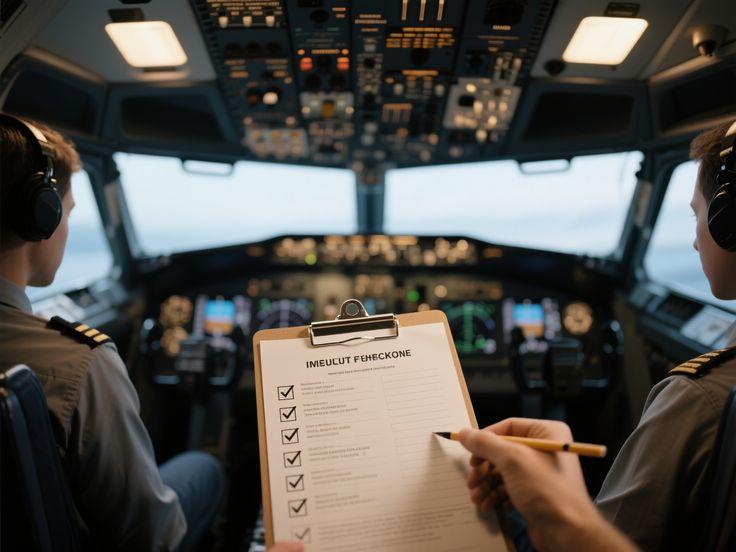
Becoming a commercial pilot is a dream for many students who love aviation, travelling, and the idea of building a career in the skies. The opportunity to fly aircraft, explore different destinations, and work in a professional aviation environment makes this career exciting. However, before beginning this journey, students and their parents usually have one important question: What are the commercial pilot course fees in India?
Understanding the cost of pilot training is essential because becoming a commercial pilot requires a significant financial investment, careful planning, and dedication. From ground school classes and flying hours to medical examinations and licensing expenses, several factors contribute to the overall cost.
India offers multiple pathways for aspiring pilots, including flight training at approved flying schools and theoretical preparation through specialised aviation academies. Choosing the right training pathway can help students make informed decisions and prepare for their future careers.
Institutes such as AirStar Academy help aspiring aviation professionals understand pilot training requirements, prepare for DGCA examinations, and explore the steps involved in pursuing a Commercial Pilot Licence (CPL).
In this guide, we will explore commercial pilot course fees in India, the major expenses involved, eligibility requirements, training duration, and practical tips for planning your aviation career.
Understanding Commercial Pilot Course Fees in India
The total cost of becoming a commercial pilot in India depends on the flying school, training location, aircraft availability, and individual progress.
As a broad planning estimate, the complete CPL training pathway may cost approximately ₹50 lakh to ₹85 lakh or more. The actual amount can vary considerably depending on the training provider, the flying hours required, accommodation, examination expenses, and additional qualifications.
Students should understand that ground school fees and the cost of completing the entire commercial pilot training programme are not the same.
Ground school focuses primarily on aviation theory and preparation for the required examinations. Flight training involves practical flying experience, instructor supervision, aircraft usage, and the completion of mandatory flying hours.
Therefore, before comparing commercial pilot course fees in India, students should identify precisely what each training package includes.
A detailed fee breakdown makes it easier to compare institutions and avoid unexpected expenses during training.
What Factors Affect Commercial Pilot Training Fees?
Several factors influence the total investment required to obtain a CPL.
1. Ground School Training
Ground school introduces students to the theoretical knowledge required for professional flying. Students learn aviation subjects, regulations, aircraft systems, navigation, and weather interpretation.
Ground training fees vary according to the institute, course structure, duration, learning resources, and level of individual support.
An academy that provides structured classes, practice questions, mock examinations, and experienced instructors can help students develop a stronger understanding of aviation theory.
However, students should remember that completing ground school alone does not provide a Commercial Pilot Licence. Practical flight training and other regulatory requirements must also be completed.
2. Practical Flight Training
Flight training is generally one of the largest expenses in the CPL journey.
Students learn to operate aircraft under instructor supervision and gradually develop the skills needed for independent flying. Their training includes navigation, aircraft handling, flight planning, and other practical competencies.
The total cost depends on the flying school's hourly rates, aircraft type, instructor charges, fuel expenses, and the time required to complete training.
Under the applicable Indian licensing framework, candidates generally need to complete 200 hours of flight time for a CPL, subject to the relevant regulatory requirements.
Students should confirm whether the advertised package covers all required flying hours and what happens if additional hours are needed.
3. DGCA Examinations and Licensing
Aspiring pilots must meet the examination and licensing requirements established by the Directorate General of Civil Aviation (DGCA).
Expenses may include examination fees, documentation, licence processing, and other administrative charges.
Although these costs may be smaller than flight training expenses, they should still be included in the overall budget.
4. Medical Examinations
Medical fitness is an important requirement for professional pilots.
Students should understand the applicable medical assessment requirements before committing to an expensive training programme. Medical assessments and related expenses can contribute to the total cost.
It is sensible to investigate medical eligibility early in the process, as this helps students make informed decisions before investing heavily in flight training.
5. Accommodation and Living Expenses
Students who travel to another city or state for flying training may need to pay for accommodation, food, local transportation, and other living expenses.
These costs vary depending on the training location and the student's lifestyle.
When comparing commercial pilot course fees in India, families should calculate the complete cost of living throughout the expected training period rather than focusing only on tuition fees.
Eligibility Requirements for Commercial Pilot Training
Before applying for a CPL programme, students should understand the basic eligibility requirements.
Generally, aspiring pilots need to meet the following conditions:
Educational qualification: Candidates typically need to complete Class 12 with Physics and Mathematics from a recognised board or meet the applicable equivalent qualification requirements.
Age requirement: The minimum age for obtaining a CPL is generally 18 years. Students may be able to begin certain preparatory activities earlier, subject to the applicable rules and the institute's admission policy.
Medical fitness: Candidates must meet the required DGCA medical standards. The relevant Class 1 medical requirements should be confirmed before progressing towards professional licensing.
English proficiency: Aviation requires effective communication, particularly when communicating with air traffic control and other aviation professionals.
Eligibility requirements and licensing procedures can change, so students should verify the latest rules directly with DGCA and their chosen training provider.
How Long Does It Take to Become a Commercial Pilot?
The time required to obtain a CPL depends on the student's progress, examination preparation, flying school schedule, weather conditions, and aircraft availability.
Many students plan for approximately 18 to 24 months, although some may take longer.
The process usually involves several stages.
First, students complete the necessary academic preparation and study the subjects required for their pilot examinations.
Next, they complete the relevant examinations and medical requirements.
Afterward, students undertake practical flight training, building their flying experience under the supervision of qualified instructors.
Finally, they complete the required documentation and licensing procedures.
Delays can occur because of weather, maintenance, scheduling, or examination results. Therefore, students should avoid assuming that every programme will be completed within a fixed period.
A realistic timeline helps families plan their finances and gives students a clearer understanding of the commitment involved.
Why Choosing the Right Aviation Academy Matters
Selecting a suitable aviation academy is an important step towards becoming a commercial pilot.
Students should look beyond promotional claims and compare the actual services offered by different institutions.
A good training environment should provide structured learning, experienced instructors, appropriate study materials, and clear information about course requirements.
It should also explain the distinction between ground school preparation and practical flight training.
For students in Maharashtra, AirStar Academy offers aviation training and DGCA-focused ground preparation for aspiring pilots. Its CPL programme information outlines theoretical preparation, guidance, and the broader steps involved in working towards a professional flying career.
Before enrolling, students should discuss their educational background, medical eligibility, expected budget, and long-term career goals with the academy.
They should also confirm which services are included in the advertised fees and which expenses must be paid separately.
Clear communication at the beginning can make the training journey easier to manage.
Important Questions to Ask Before Paying Course Fees
Before choosing a training provider, students and parents should ask several practical questions.
Does the fee include flight training?
Confirm whether the quoted amount covers theoretical classes only or includes practical flying training as well.
How many flying hours are included?
Ask whether the package covers the required hours and whether additional flying hours will involve extra charges.
Are examination and medical expenses included?
Some packages may exclude examination fees, medical assessments, licensing charges, or administrative expenses.
What happens if training takes longer than expected?
Find out whether extensions, additional classes, accommodation, or extra flying hours will increase the total cost.
Is the flight training provider appropriately approved?
Verify that the flying school and training arrangements meet the applicable DGCA requirements. If training is completed abroad, understand the licence conversion process and its requirements before making a payment.
Are there financing options?
Ask whether the institution provides information about education loans, instalment plans, or other legitimate financing arrangements. Review the terms carefully before committing.
These questions can help students compare programmes fairly and understand the financial commitment involved.
Can Students Become Commercial Pilots on a Limited Budget?
Commercial pilot training is expensive, but students with limited budgets can still begin planning their aviation careers.
The most important step is to distinguish between the cost of starting pilot preparation and the cost of completing the entire CPL pathway.
For example, students may begin with ground school preparation, learn about eligibility, and investigate their medical requirements while planning the funds needed for practical training.
However, they should not assume that completing a short course or obtaining a ground school certificate is equivalent to qualifying as a commercial pilot.
Families should prepare a comprehensive budget that includes training fees, examination expenses, medical assessments, travel, accommodation, and a reasonable contingency for unexpected costs.
It is also wise to compare several training providers before making a final decision.
Students should be cautious of unusually low fee quotations that do not clearly explain what is included. A transparent cost breakdown is more useful than an attractive headline price.
Career Opportunities After Obtaining a CPL
Obtaining a Commercial Pilot Licence can open pathways towards professional flying opportunities, subject to the relevant qualifications, experience, medical fitness, and employer requirements.
Some possible career directions include airline pilot positions, charter operations, corporate aviation, and other commercial flying roles.
However, earning a CPL does not automatically guarantee employment with an airline.
Recruitment depends on factors such as market demand, individual performance, additional qualifications, selection standards, and the requirements of specific employers.
Some positions may require additional training, examinations, aircraft-specific qualifications, or experience beyond the initial licence.
Students should therefore approach pilot training with a long-term perspective. Developing technical knowledge, communication skills, professional discipline, and sound decision-making abilities is just as important as understanding the cost.
How to Plan Your Commercial Pilot Training Budget
Good financial planning can help students approach their aviation goals with greater confidence.
Start by identifying the complete training pathway and requesting a written estimate from the training provider.
Separate the expenses into categories such as ground school, flight training, examinations, medical assessments, accommodation, and licensing.
Next, ask about the expected payment schedule. Understanding when payments are due can help families manage their finances more effectively.
Students should also maintain an emergency reserve because delays or additional flying hours may increase the final cost.
Avoid making decisions based solely on advertisements or verbal promises. Read the agreement, understand the refund policy, and confirm the provider's credentials before transferring money.
Most importantly, discuss medical eligibility and the full financial commitment before starting an expensive training programme.
Careful preparation can reduce uncertainty and allow students to focus more effectively on their studies and flying skills.
Frequently Asked Questions
1. What are the commercial pilot course fees in India?
The total cost of obtaining a CPL may range from approximately ₹50 lakh to ₹85 lakh or more, depending on the training provider, flight training expenses, and additional costs. Students should request an updated, itemised quotation before enrolling.
2. Can I become a commercial pilot after Class 12?
Yes. Students who meet the educational, age, medical, and other applicable DGCA requirements can pursue the CPL pathway after Class 12. Physics and Mathematics are generally required for the relevant educational qualification.
3. Is ground school enough to become a commercial pilot?
No. Ground school develops theoretical knowledge and prepares students for the relevant examinations. Becoming a commercial pilot also requires practical flying experience and completion of the applicable licensing requirements.
4. How many flying hours are required for a CPL in India?
The standard CPL requirement generally includes 200 hours of flight time, subject to applicable DGCA regulations and the relevant licensing requirements.
5. How long does commercial pilot training take?
Many students plan for approximately 18 to 24 months, although the actual duration varies depending on examination results, weather, aircraft availability, and individual progress.
6. Does AirStar Academy help aspiring pilots prepare for DGCA examinations?
AirStar Academy offers DGCA-focused ground training and guidance for students exploring the CPL pathway. Prospective students should contact the academy to confirm the current course structure, fees, and services included.
Conclusion
Understanding commercial pilot course fees in India is an essential first step for anyone who dreams of becoming a professional pilot. The journey involves more than paying tuition fees. It requires academic preparation, practical flying experience, medical fitness, financial planning, and a commitment to aviation safety.
By comparing training providers, checking eligibility requirements, understanding the complete fee structure, and planning for additional expenses, students can make more informed decisions about their future.
Choosing the right aviation academy can also help aspiring pilots understand the training process and prepare for the challenges ahead.

 English
 Arabic
 French
 Spanish
 Portuguese
 Deutsch
 Turkish
 Dutch
 Russian
 Romaian
 Portuguese (Brazil)
 Greek