
What Helps Maintain Consistent Roof Performance Over Time?
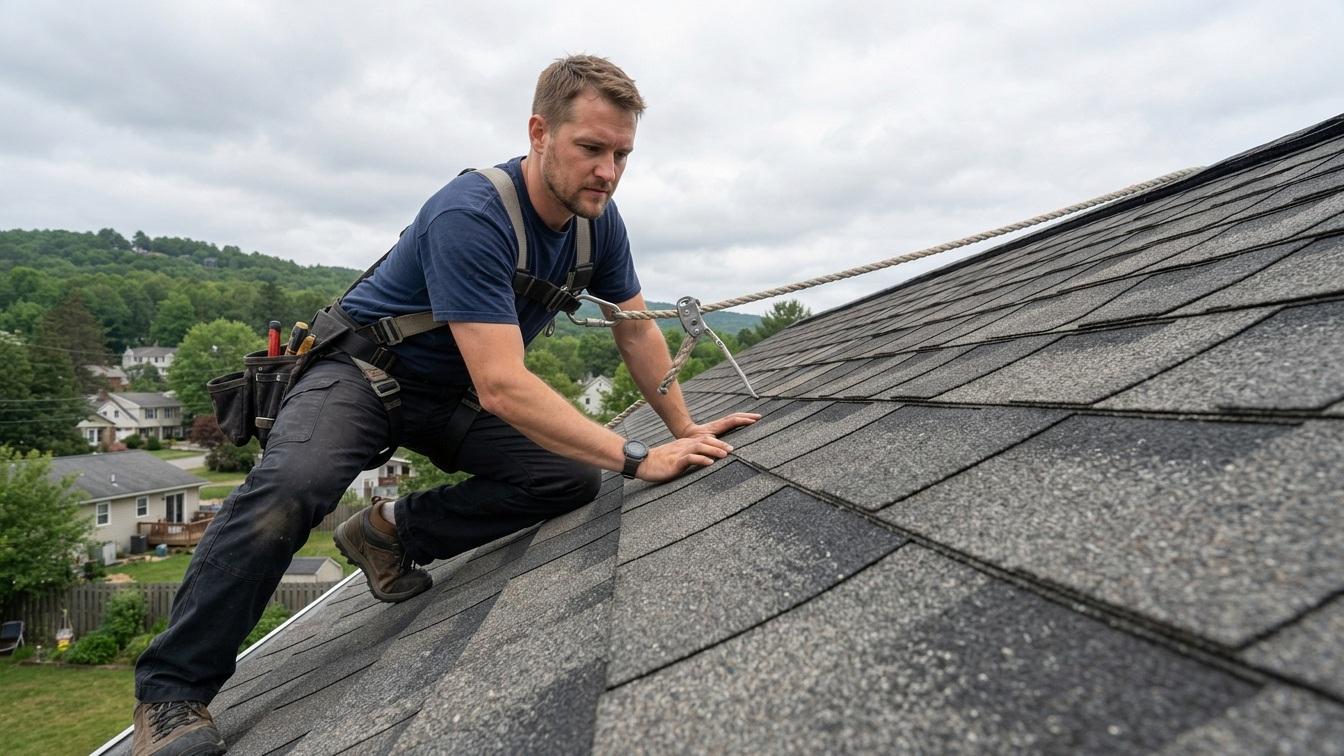
A roof does more than cover a property. It manages rainwater, limits heat transfer, withstands wind, and protects the structure beneath it. These tasks happen every day, often without much notice. Problems can develop when small parts of the roofing system stop working as they should. A blocked gutter, loose flashing, or poorly sealed roof opening may seem minor at first, but each can affect the roof's ability to protect the building.
Consistent roof performance comes from paying attention to how the entire system works, not just the visible surface. Regular checks, suitable upkeep, and timely attention to changing conditions can help prevent small concerns from turning into larger repairs. A practical routine also makes it easier to understand the roof's condition as the years pass.
How Does Regular Roof Monitoring Help Prevent Unexpected Problems?
A roof can change gradually. A shingle may loosen after strong winds, a seal around a vent may begin to separate, or a gutter joint may develop a small gap. These changes are easy to miss when nobody checks the roof until a leak appears.
Regular monitoring creates a record of the roof's condition. Instead of relying on memory, property owners can compare observations over time and notice changes that might otherwise go unnoticed.
Keep a Record of Roof Conditions
After an inspection, note the date and any visible concerns. Photographs can make these records more useful, especially when they show the same roof areas at different times of the year.
A simple record may include:
- Shingles that appear lifted, cracked, curled, or out of place.
- Flashing around chimneys, vents, and roof edges.
- Gutters with loose connections or signs of overflow.
- Areas where leaves, branches, or other debris collect.
- Interior marks that may indicate moisture near ceilings or upper walls.
These notes help establish whether a concern is new, recurring, or becoming more noticeable. They can also give a roofing professional a clearer starting point when an assessment is needed.
Pay Attention to Changes Inside the Property
Not every roofing concern is visible from outside. Water marks on ceilings, damp attic insulation, peeling paint near upper walls, or a musty smell in an attic may point to moisture entering the building.
Such signs do not automatically mean the roof is the source. Plumbing, ventilation, and condensation can cause similar symptoms. Still, they deserve attention because ignoring moisture can lead to damage beyond the roofing materials.
Why Does Proper Drainage Matter for Long-Term Roof Performance?
Rainwater needs a clear route off the roof and away from the building. When that route becomes blocked or poorly directed, water may collect near roof edges, overflow gutters, or reach areas that were not designed to handle repeated moisture exposure.
Good drainage depends on more than clean gutters. Roof slopes, valleys, downspouts, and ground-level outlets all play a part in moving water safely away.
Keep Gutters and Downspouts Clear
Leaves, seed pods, small branches, and roof debris can gather inside gutters. As the buildup increases, water has less room to flow. During heavy rain, it may spill over the sides and run down exterior walls or collect near the foundation.
A seasonal cleaning routine can help keep the drainage route open. Check that downspouts are connected and that water exits away from the building rather than pooling beside it.
Watch for Areas Where Water Moves Slowly
Roof valleys bring water together from adjoining slopes, so debris in these areas can interrupt drainage. Low points around roof features may also collect dirt and moisture.
After a storm, look for visible debris buildup from a safe location. Do not walk on the roof to inspect it. If water appears to remain in one area or drainage problems keep returning, a roofing professional can assess the slope, surface, and surrounding details.
What Should Property Owners Check After Severe Weather?
A roof may look unchanged after a storm even when certain components have shifted or weakened. Wind can lift shingles, hail can leave impact marks, and fallen branches can damage roofing materials. Heavy rain may also reveal drainage problems that were not obvious during dry weather.
A quick visual check after severe weather can help identify concerns early. The goal is to notice possible changes without taking unnecessary risks.
Look for Visible Signs of Impact
Check the property from the ground for fallen branches, missing shingles, damaged gutters, or pieces of roofing material around the yard. Also look for flashing that appears out of place and debris gathered in roof valleys.
Inside, check ceilings and upper walls for fresh water marks. An attic inspection may reveal damp insulation or visible moisture, but only enter if the space is safe and accessible.
Arrange an Assessment When Damage Is Suspected
Some storm damage is difficult to identify without proper training. A shingle may remain in place while its seal has been disturbed, and small punctures can be hard to see from the ground.
If the roof has been exposed to strong winds, hail, or falling debris, an experienced roofer can assess the affected areas and explain what needs attention. A roofer in Salt Lake City UT, for example, may be familiar with local conditions such as snow, temperature swings, and strong seasonal winds that can affect roofing materials.
How Can Small Repairs Help Maintain Roof Performance?
A roofing system depends on many connected components. Shingles shed water, flashing protects joints, sealants close small gaps, and ventilation helps manage heat and moisture in the attic. When one part stops working properly, nearby areas may face added stress.
Small repairs can help restore the function of these components before the problem spreads. A loose shingle, separated flashing edge, or damaged vent seal may be easier to address when noticed early.
Give Roof Openings Special Attention
Pipes, vents, skylights, and chimneys create openings in the roof surface. Each needs suitable flashing and sealing to keep water from entering around the edges.
These areas deserve attention during inspections because they are exposed to movement, temperature changes, and regular contact with rain or snow. If sealant has cracked or flashing has shifted, a professional can determine the correct repair.
Avoid Temporary Fixes That Hide the Problem
Applying a random sealant or placing material over a damaged area may hide the visible symptom without correcting the cause. Water can spread underneath the outer layer and damage nearby roof areas.
Repair work should be selected according to the affected material and damage type. A proper assessment helps determine whether a small repair is suitable or if a larger section needs attention.
Does Attic Ventilation Affect the Roof's Condition?
Attic ventilation helps manage heat and moisture beneath the roof. When airflow is inadequate, warm air and moisture can collect in the attic. This can cause dampness within the insulation and gradual changes to the roof’s material condition.
The right ventilation setup depends on the building's design, insulation, roof shape, and existing airflow paths. Simply adding a vent does not always solve the issue. Intake and exhaust openings need to work together.
Check for Signs of Poor Airflow
Some warning signs appear inside the attic rather than on the roof surface. These may include:
- Water buildup on the interior side of the roof decking.
- Damp or compressed insulation.
- Musty odors that remain after dry weather.
- Unusual heat buildup in the attic.
- Moisture marks around vents or roof openings.
These conditions can have more than one cause, so an assessment may be needed before making changes.
Keep Insulation and Airflow in Balance
Insulation helps reduce heat transfer between the living space and the attic. Ventilation helps manage air movement in the attic. Both should function together as one complete system.
Gaps around attic access points, recessed lights, or other openings may allow indoor air to enter the attic. Sealing suitable air leaks and maintaining proper insulation can help support better moisture control.
Which Maintenance Tasks Are Worth Scheduling Throughout the Year?
Roof maintenance works best when it follows the conditions a property faces during each season. A single annual check may miss changes that occur after storms, falling leaves, or periods of heavy snow.
A flexible schedule helps property owners plan routine tasks without treating every season as though it creates the same demands.
|
Time of year |
Maintenance task |
Why it matters |
|
Spring |
Check for winter damage and clear drainage paths |
Helps identify loose materials and blocked gutters after cold weather |
|
Summer |
Review flashing, roof openings, and visible surface changes |
Warm weather can make certain repairs easier to schedule |
|
Autumn |
Remove leaves and check gutter connections |
Reduces the chance of blocked drainage during rainy periods |
|
Winter |
Watch for ice buildup and interior moisture signs |
Helps identify drainage and moisture concerns during colder conditions |
The schedule should reflect the property's location and roof design. A home in an area with heavy snowfall may need different checks from a property that mainly faces strong rain and wind.
How Can Roof Maintenance Fit Into a Wider Property Care Plan?
Roof care is connected to other parts of the building. Gutters affect exterior walls, downspouts affect the ground around the foundation, and attic conditions can influence indoor comfort. Looking at these areas together can make property maintenance more organized.
For example, a homeowner planning exterior painting may also check gutter joints and roof edges. Someone collecting home decor ideas for an attic renovation should first make sure the roof and ventilation system are in suitable condition. Interior improvements are easier to plan when the space above them is dry and properly protected.
A property care plan can include a few practical habits:
- Keep trees trimmed so branches do not scrape against the roof.
- Remove leaves and debris from accessible drainage areas.
- Check ceilings and attic spaces after periods of heavy rain.
- Keep records of inspections and completed repairs.
- Arrange professional assessments when damage or recurring moisture appears.
These steps connect roof care with the rest of the property instead of treating it as a separate task.
When Is a Professional Roof Inspection the Better Choice?
Some maintenance tasks are suitable for property owners, such as checking gutters from a safe position or looking for ceiling stains. Other work requires specialist knowledge and suitable safety equipment.
Walking on roofing surfaces requires caution, as moisture, ice, steep slopes, and damage can increase the risk of falls. It can also cause further harm if a person steps on weak materials or delicate roof features.
A professional inspection is useful when there are recurring leaks, visible storm damage, loose roofing materials, unusual attic moisture, or signs that earlier repairs have not solved the problem. A roofer can assess the condition of the surface, flashing, drainage, and other components before recommending a course of action.
The inspection should explain what was observed, which areas need attention, and which repairs can wait. Clear findings help property owners plan work based on the roof's actual condition rather than guesswork.
Final Thoughts
Consistent roof performance depends on several parts working together. Regular monitoring helps reveal gradual changes, clear drainage allows rainwater to move away properly, and timely repairs help keep small defects from spreading. Attic ventilation, seasonal checks, and professional assessments also play a part in keeping the roofing system in good condition.
A simple approach can make routine roof care easier to manage. Keeping records, watching for warning signs, and arranging the right help when concerns appear can make roof care easier to manage over time.

 English
 Arabic
 French
 Spanish
 Portuguese
 Deutsch
 Turkish
 Dutch
 Russian
 Romaian
 Portuguese (Brazil)
 Greek