
Automatic Barrier Installation in UAE: Smart Access and Vehicle Security
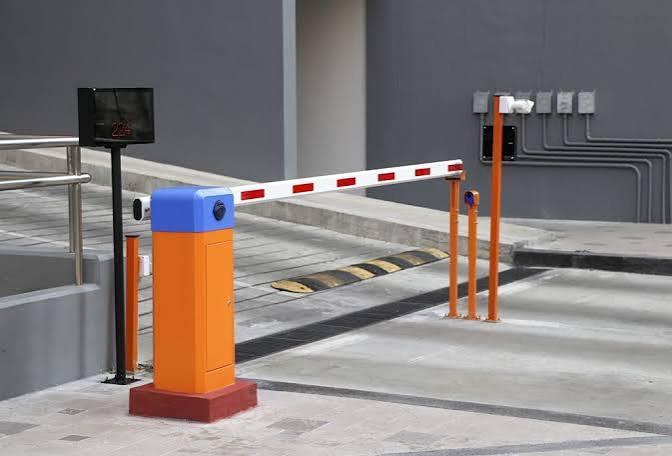
Managing vehicle movement at residential communities, commercial buildings, parking facilities, and industrial properties requires a reliable access control solution. Automatic barriers provide a convenient way to regulate vehicle entry and exit while helping security personnel manage traffic at designated access points.
Professional Automatic barrier installation in UAE services help property owners select and install suitable barrier systems according to traffic volume, entrance dimensions, and security requirements. These systems can be integrated with access cards, remote controls, vehicle detection sensors, and other compatible security technologies. Whether the installation is intended for a private villa, an office parking area, or a large commercial facility, a properly selected automatic barrier can improve traffic management and make vehicle access more organized.
What Is an Automatic Barrier System?
An automatic barrier system is a motorized mechanism designed to control vehicle access through a designated entrance. It commonly uses a horizontal boom arm that rises to allow authorized vehicles to pass and lowers when the passage needs to be restricted.
The system usually consists of a barrier motor, boom arm, control unit, and access mechanism. Depending on the model, additional components may include safety sensors, warning lights, remote controls, and manual release mechanisms.
Automatic barriers can operate independently or as part of a broader security system. For example, a parking facility may use access cards to authorize entry, while a residential community may combine the barrier with a guard-controlled access point or vehicle identification technology.
Choosing the appropriate equipment depends on how frequently the entrance is used, the available installation space, the required opening speed, and the length of the boom arm.
Why Automatic Barriers Are Important in the UAE
The UAE has a wide range of residential, commercial, and industrial properties where organized vehicle access is essential. Parking areas, gated communities, business premises, and logistics facilities often need a dependable method of controlling incoming and outgoing traffic.
Automatic barriers can help reduce unauthorized vehicle entry by restricting passage to approved users. They can also support more organized traffic flow at entrances where vehicles arrive throughout the day.
For residential communities, barriers help manage access for residents, visitors, and service vehicles. Commercial properties may use them to regulate employee parking and control entry into designated vehicle areas. Industrial facilities can also benefit from controlled access at loading zones and vehicle entrances.
However, an automatic barrier should not be considered a complete security solution by itself. Its effectiveness depends on appropriate access procedures, correct installation, suitable safety devices, and regular maintenance.
Different Types of Automatic Barrier Systems
Different properties require different barrier configurations. Understanding the available options helps property managers select equipment that suits their entrances and expected traffic conditions.
Straight Arm Barrier Gates
Straight arm barriers are among the most common options for parking facilities, office entrances, residential communities, and commercial buildings. Their horizontal boom arms provide a clear visual indication of whether vehicles are permitted to pass.
These systems are available in different arm lengths and operating speeds. The appropriate model depends on the width of the entrance and the expected number of daily vehicle movements.
Folding Arm Barriers
Folding arm barriers are designed for locations where the available vertical clearance is limited. Instead of requiring a full-height opening path, the arm folds as it rises.
These systems may be useful in covered parking areas, underground entrances, and buildings with overhead restrictions. Before installation, the available clearance and entrance layout should be assessed to ensure the barrier operates safely.
Heavy-Duty Automatic Barriers
Heavy-duty systems are designed for demanding environments with frequent vehicle movements. They may be appropriate for logistics centers, industrial facilities, large commercial properties, and busy access points.
When selecting a heavy-duty barrier, property owners should consider the manufacturer's duty-cycle rating, operating speed, environmental specifications, and expected traffic volume. Equipment designed for occasional residential use may not be suitable for a continuously busy entrance.
Essential Features to Consider Before Installation
Selecting an automatic barrier involves more than choosing a motorized gate. Property owners should evaluate the equipment's operating performance, safety features, and compatibility with other security components.
Two important considerations are:
-
Operating performance and durability: Choose a barrier with an appropriate boom-arm length, opening speed, duty cycle, and environmental rating for the installation location.
-
Safety sensors and access control integration: Compatible photoelectric sensors, vehicle detection loops, warning lights, and access control devices can help improve operational safety and manage vehicle entry.
Other features may include remote operation, automatic closing settings, backup power options, and manual release mechanisms for emergencies or power interruptions.
The selection process should also consider the entrance's traffic pattern. A system that operates effectively at a small private entrance may not provide the required performance at a busy commercial parking facility.
Automatic Barrier Installation for Residential Communities
Residential communities often need a convenient way to manage vehicle entry without creating unnecessary delays for residents. Automatic barriers can be installed at community entrances, villa compounds, apartment parking areas, and private driveways.
The system may use remote controls, access cards, keypad entry, or another compatible authentication method. Visitor access can be managed through security personnel or an appropriate visitor management process.
Before installation, the entrance should be assessed for available space, vehicle turning requirements, pedestrian movement, and visibility. The barrier should be positioned so that vehicles can approach and pass through without obstructing nearby roads or walkways.
Safety is especially important at residential entrances where pedestrians, children, bicycles, and vehicles may share nearby spaces. Suitable sensors, warning indicators, and appropriate operating procedures should be included in the design.
Automatic Barriers for Commercial and Industrial Properties
Commercial and industrial facilities often experience higher traffic volumes and more demanding operating conditions than private residential properties. Automatic barriers can help control access to staff parking, delivery entrances, warehouses, logistics centers, and restricted operational areas.
For these environments, selecting a barrier with the correct duty cycle is essential. A system that is frequently operated beyond its intended capacity may experience excessive wear or require more frequent servicing.
Integration with access cards, vehicle detection systems, intercoms, and compatible surveillance equipment can also support organized entry management. The exact configuration should reflect the property's operational requirements and the level of control needed at each entrance.
Businesses should consider whether the barrier needs to operate continuously, how traffic queues will be managed, and what procedures will apply during equipment failure or power loss.
The Automatic Barrier Installation Process
Professional installation begins with a site inspection. The installer evaluates the entrance width, mounting surface, power supply, traffic direction, and expected operating frequency. This assessment helps determine the appropriate barrier model and identify any additional components required.
The installation team then prepares the mounting location, secures the barrier housing, installs the boom arm, and connects the required electrical and control components. Safety devices and access control equipment are configured according to the system design.
Once the installation is complete, the barrier should be tested under normal operating conditions. Testing should cover opening and closing cycles, sensor response, access authorization, manual release procedures, and any backup power arrangements.
The property owner or operator should also receive instructions on routine operation and emergency procedures. Proper commissioning helps identify installation issues before the barrier enters regular service.
Maintenance and Long-Term Reliability
Regular maintenance helps keep an automatic barrier operating safely and efficiently. Because these systems contain moving parts and electrical components, inspections should follow the manufacturer's recommendations and reflect how frequently the equipment is used.
Maintenance may include checking the boom arm, inspecting mounting bolts, testing safety sensors, reviewing control settings, and examining electrical connections. Moving components should be serviced according to the manufacturer's instructions.
Dust, heat, and other environmental conditions can affect outdoor equipment, so the barrier should be suitable for its installation environment. Any unusual noise, inconsistent movement, or failure to respond to safety sensors should be investigated promptly.
For busy commercial and industrial entrances, a planned maintenance schedule can help reduce unexpected downtime and support more reliable operation.
Why Choose Jesr Al Fasht Security Devices Fix?
Jesr Al Fasht Security Devices Fix focuses on security equipment solutions designed to support the access management requirements of residential and commercial properties. Selecting an appropriate automatic barrier involves understanding entrance dimensions, traffic frequency, operating conditions, and compatibility with existing security equipment. A carefully planned installation can help property owners manage vehicle movement more efficiently while supporting safe and organized access. When choosing a barrier system, it is important to consider equipment quality, suitable safety features, correct configuration, and ongoing maintenance requirements. A solution tailored to the property's needs can provide practical long-term value and help maintain reliable operation at frequently used entrances.
Conclusion
Automatic barriers provide a practical way to regulate vehicle access at residential communities, commercial buildings, parking facilities, and industrial properties. The right system should match the entrance dimensions, expected traffic volume, safety requirements, and available access control technology. Choosing professional Automatic barrier installation in UAE services helps property owners select suitable equipment and ensure that the barrier is installed, configured, and tested correctly. With appropriate safety devices and regular maintenance, an automatic barrier can support more organized vehicle movement and contribute to a property's overall security arrangements.
Frequently Asked Questions
1. Where can automatic barriers be installed?
Automatic barriers can be installed at residential communities, private driveways, office parking areas, commercial buildings, warehouses, and industrial entrances, provided the location is suitable for the selected equipment.
2. Can automatic barriers work with access control systems?
Yes. Compatible barriers can integrate with access cards, remote controls, keypads, intercoms, vehicle detection systems, and other access management technologies.
3. How often should an automatic barrier be maintained?
Maintenance frequency depends on the equipment, operating conditions, and daily traffic volume. Regular inspections and servicing according to the manufacturer's recommendations help maintain reliable operation.
4. What happens if the power supply fails?
Depending on the barrier model, operators may be able to use a manual release mechanism or an optional backup power system. Emergency procedures should be established during installation.

 English
 Arabic
 French
 Spanish
 Portuguese
 Deutsch
 Turkish
 Dutch
 Italiano
 Russian
 Portuguese (Brazil)
 Greek