
Why Choose Custom Invitation Boxes for Your Brand Launch?
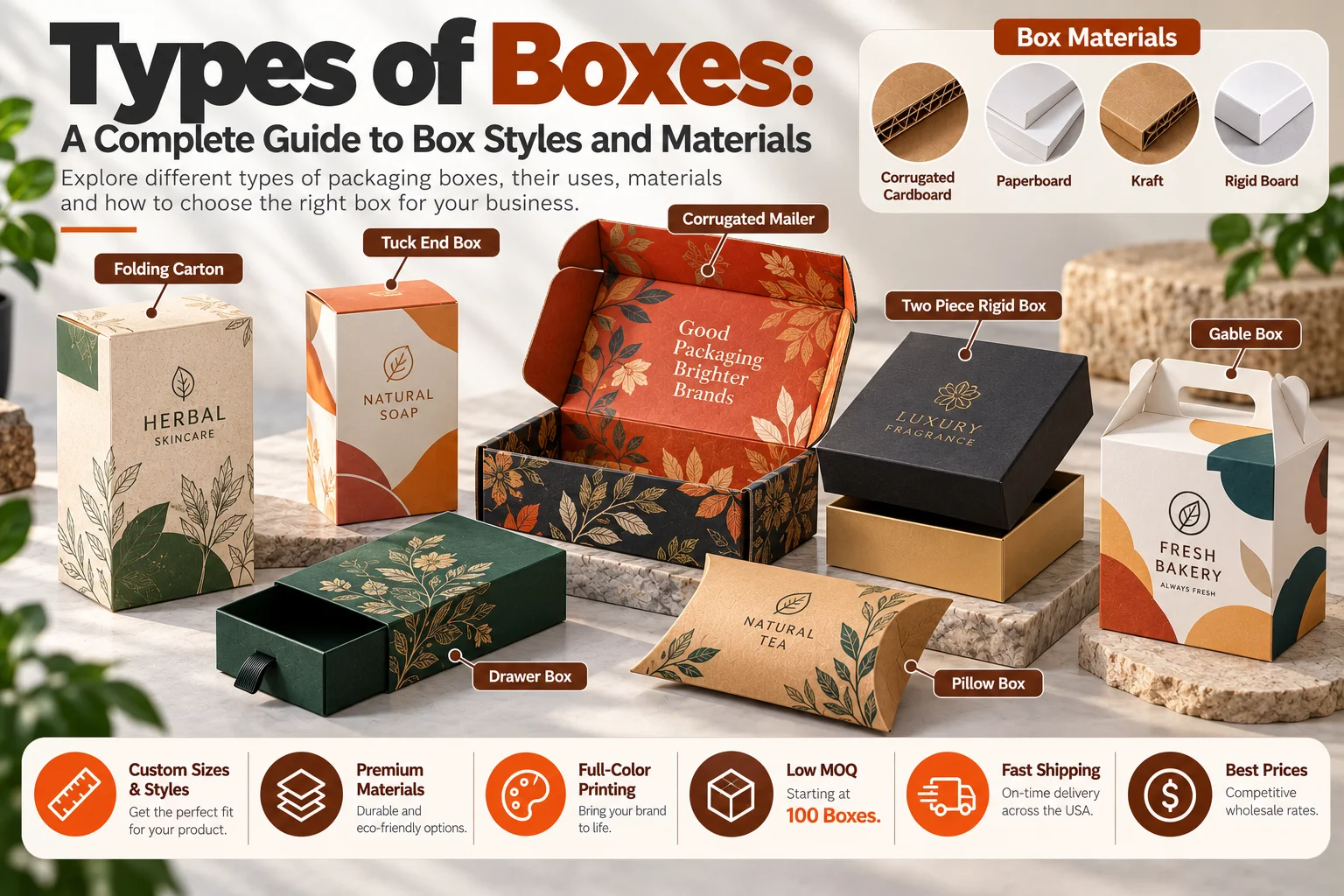
Packaging is often the first thing a customer touches, and it shapes how they judge everything inside. Brands across the United States now look for formats that look polished, protect their contents, and support sustainability goals. Options such as eco friendly boxes show that attractive presentation and responsible sourcing can work together. This guide walks through boxes, pouches, materials, printing, and ordering in a practical way. You will finish with a clear idea of what to ask for and what to expect.
Custom Packaging Solutions for Brands in the United States
Good packaging does more than hold a product; it communicates quality before anyone opens it. For events, launches, and gifting, custom invitation boxes turn a simple announcement into a keepsake. Businesses in the United States use them for weddings, corporate openings, and influencer mailers. This section explains why presentation matters and which materials are available. Understanding both helps you brief a supplier with confidence.
Why Presentation Boxes Matter
A well-built box signals care, and recipients tend to keep it long after the event ends. Custom invitation boxes can hold printed cards, small gifts, and branded inserts in one organized package. That layered unboxing experience builds anticipation and encourages social sharing. Firm structure also protects delicate paper and decorative items in transit. For brands in the United States, strong first impressions often translate into repeat attention and referrals.
Materials and Formats Available
Rigid board, folding cartons, and kraft stock each suit different budgets and styles. For soft goods and food items, compostable stand-up pouches offer a lighter, plant-based alternative to conventional films. Halepath Packaging supplies both rigid and flexible formats, so a single supplier can cover an entire product line. Matching material to product weight, moisture needs, and shelf life prevents costly redesigns. Request material swatches whenever possible, because texture and thickness are hard to judge from photos.
What Makes Custom Invitation Boxes Worth the Investment?
Custom boxes are worth the investment because they raise perceived value, protect contents, and create a memorable unboxing moment. The return shows up in stronger brand recall and fewer damaged shipments. Costs vary with size, finish, and order volume, so planning ahead matters. The sections below break down the impact on impressions and budgets. Each point reflects how buyers typically evaluate packaging.
Creating a Memorable First Impression
Recipients form opinions within seconds of seeing a package, so design choices carry real weight. Custom invitation boxes with foil stamping, embossing, or soft-touch coating feel premium in the hand. Consistent colors and typography reinforce brand identity across every touchpoint. A thoughtfully arranged interior also guides the eye to the most important item first. These details help a modest event feel polished and intentional.
Planning Costs and Order Volumes
Unit price drops as quantity rises, but ordering too many can tie up storage space and cash. Start by estimating your guest list or campaign size, then add a small buffer for errors and replacements. Complex finishes, custom inserts, and unusual dimensions add setup costs. Asking for tiered quotes shows how pricing shifts between quantities. Balance your budget against the impression you want to make, and avoid paying for embellishments nobody will notice.
Sustainable Packaging Choices for Businesses in the United States
Shoppers increasingly expect brands to consider the environmental footprint of their packaging. Responsible choices can reduce waste, simplify disposal, and strengthen customer trust. The right material depends on the product, the supply chain, and available collection options. This section compares paper-based and film-based approaches. Both can look excellent when designed with care.
Paper-Based Options
Recycled and responsibly sourced paperboard remains the most familiar choice for gift and retail packaging. Eco friendly boxes can be printed with water-based or soy-based inks that avoid heavy chemical coatings. Choosing minimal lamination makes recycling easier for the end user. Kraft finishes deliver a natural look that suits artisan and wellness brands. Clear disposal instructions printed on the box help customers recycle correctly.
Compostable Film Structures
Plant-derived films can break down under proper composting conditions, which reduces long-term waste. Compostable stand-up pouches work well for dry goods such as snacks, grains, and tea. Check that the structure carries recognized certifications before making environmental claims. Remember that composting requires suitable facilities, so label the pouch honestly. Transparent communication protects your reputation and avoids misleading buyers.
How Do You Choose the Right Pouch for Your Product?
Choose a pouch by matching its closure, barrier, and shape to what you are packing. A stand-up pouch with spout suits liquids, sauces, and purées, while sealed foil bags suit dry, aroma-sensitive items. Think about how the customer will open, pour, and store the contents. Also consider shipping weight and shelf display. The two subsections explain how to decide.
Matching Format to Contents
Dry, crunchy products need a different structure from wet or oily ones. Popcorn pouches often use grease-resistant layers and a gusset so the bag stands neatly on a shelf. Fine powders benefit from tight seals that prevent leaks, while heavier goods need reinforced bottoms. Test a few sample sizes with real product to confirm fill volume. This simple step avoids sizing mistakes before a full production run.
Barrier Protection and Shelf Life
Oxygen, light, and moisture are the main threats to freshness. Backwoods sealed foil pouches use metallized layers that block those elements and keep aroma locked in. Heat-sealed edges add tamper evidence, which reassures buyers. Ask suppliers for barrier ratings instead of relying on appearance alone. Longer shelf life means less waste for you and a better experience for the customer.
Popular Snack and Food Packaging Applications
Food brands face tight margins and demanding shoppers, so packaging has to perform on every level. It must protect flavor, stand out on crowded shelves, and be easy to open. Specialty items often rely on backwoods sealed foil pouches for airtight protection and a premium look. Selecting the right format early speeds up approvals and printing. Below are two common applications.
Movie Night and Event Treats
Seasonal and event snacks sell well when the packaging adds to the fun. Popcorn pouches with bold graphics and resealable features work for home theater kits and party favors. Single-serve sizes encourage impulse purchases at checkout counters. Clear windows let buyers see the product while keeping the bag lightweight. Pairing pouches with a printed outer carton can create a complete gift set.
Retail Snack Presentation
Retail shelves reward packaging that is easy to read from a few feet away. Many brands now choose compostable stand-up pouches to match their sustainability message without sacrificing shelf impact. Halepath Packaging offers printing options that keep logos sharp and colors consistent across large runs. Keep ingredient panels clear and barcode areas flat for reliable scanning. Strong structure and clean design help products earn repeat purchases.
Liquid, Sauce and Specialty Packaging Formats
Liquid and semi-liquid products need packaging that resists leaks, punctures, and temperature changes. Flexible formats have grown popular because they weigh less than glass or rigid plastic. They also ship flat, which lowers freight space and storage costs. The right closure makes a big difference to user satisfaction. These two subsections cover convenience and protection.
Spouted Convenience for Beverages and Sauces
A stand-up pouch with spout lets customers pour, squeeze, or sip without extra tools. It suits juices, baby food, cooking sauces, and cleaning concentrates. Tamper-evident caps keep contents secure until first use. The pouch collapses as it empties, which reduces air exposure and waste. Consumers appreciate the lightweight, portable design for travel and everyday use.
Sealed Foil Protection for Specialty Goods
Specialty products such as herbs, spices, and accessories need a reliable moisture barrier. Backwoods sealed foil pouches provide that protection in a compact, discreet format. Zip closures allow repeated opening without losing freshness. Print finishes can remain simple or highly decorative depending on your brand. Confirm that your artwork and labeling meet the rules for your product category before ordering.
Design, Printing and Branding Considerations
Strong design turns packaging into a silent salesperson. Typography, color, and finish should work together to express your brand personality. Printing method also affects cost, lead time, and durability. Preparing artwork correctly saves revision rounds and keeps production on schedule. The following sections cover finishes and proofing.
Artwork and Finish Options
Matte, gloss, spot UV, and metallic foil each create a different mood. Brands focused on sustainability often pair eco friendly boxes with uncoated stocks and minimal ink coverage. Simple layouts with generous white space can feel more premium than crowded designs. Vector artwork with outlined fonts prevents printing errors. Share brand guidelines with your supplier so every item matches.
Color Accuracy and Proofing
Screen colors rarely match printed results, so always request a physical or digital proof. Use Pantone references for brand colors that must stay consistent. Flexible packaging such as popcorn pouches can shift slightly in tone because of film surfaces. Approve the proof only after checking spelling, barcodes, and legal text. Small corrections at this stage cost far less than reprinting a full order.
Ordering Process and Quality Assurance
A smooth order depends on clear communication and realistic timelines. Suppliers need specifications, quantities, and artwork before they can quote accurately. Quality checks at each stage reduce surprises when cartons arrive. Knowing the steps helps you plan around launches and events. This section covers samples, quotes, and delivery.
Requesting Samples and Quotes
Samples reveal fit, finish, and function in a way drawings cannot. When testing a stand-up pouch with spout, fill it, seal it, and check for leaks over several days. Document any issues so the supplier can adjust the design. Prepare the following details to receive an accurate quote:
- Product type, weight, and fill volume
- Dimensions and preferred materials
- Quantity range and number of print colors
- Required delivery date
Lead Times and Delivery
Production time depends on complexity, so allow extra weeks for embossing, foil, or custom inserts. For custom invitation boxes, order well ahead of mailing dates to avoid rushed shipping. Halepath Packaging can advise on realistic schedules once artwork and quantities are confirmed. Inspect each shipment on arrival and report any damage promptly. Store boxes flat and dry until you need them.
Conclusion
Choosing the right packaging means balancing presentation, protection, sustainability, and budget. From gift boxes to flexible pouches, each format serves a specific purpose and audience. Start with your product's needs, then refine materials, printing, and quantities step by step. Requesting samples and proofs reduces risk and builds confidence before a full order. With careful planning, businesses across the United States can create packaging that impresses customers and supports long-term growth.

 English
 Arabic
 French
 Portuguese
 Deutsch
 Turkish
 Dutch
 Italiano
 Russian
 Romaian
 Portuguese (Brazil)
 Greek