
FUE Hair Transplant in Pakistan: 7 Things to Know Before Treatment
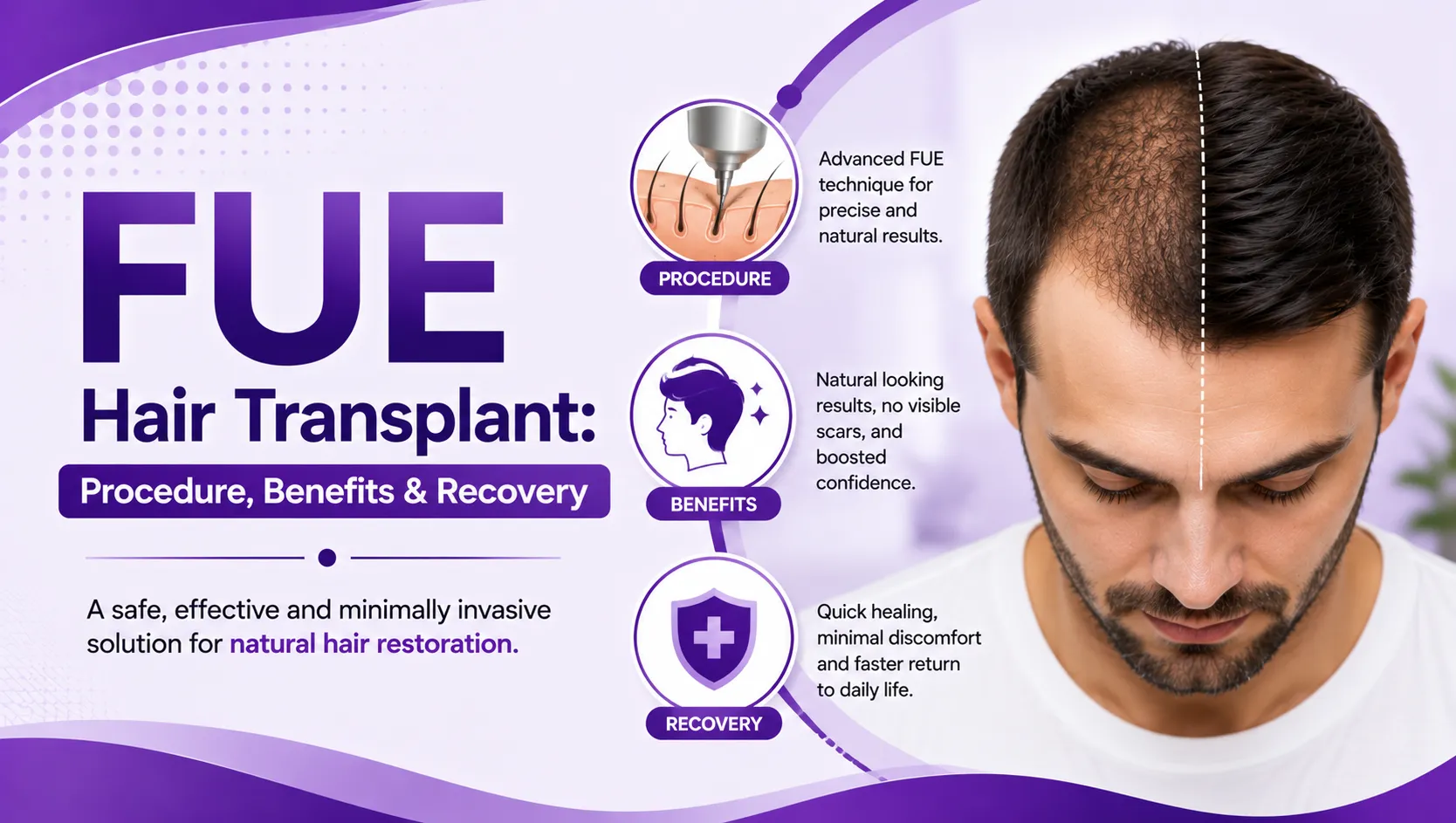
Hair loss can change the appearance of your hairline and reduce overall hair density. While medicines and other non-surgical treatments may help some people, others consider hair transplantation to restore hair in thinning areas.
Follicular Unit Extraction (FUE) is a popular hair restoration technique. It involves moving individual hair follicles from a donor area to areas affected by hair loss. Before choosing this procedure, patients should understand how it works, what it costs, and what results they can realistically expect.
1. FUE Hair Transplant Uses Individual Hair Follicles
FUE involves extracting individual follicular units, usually from the back or sides of the scalp. The surgeon then places these follicles into the recipient area.
Unlike Follicular Unit Transplantation (FUT), FUE does not involve removing a strip of scalp. However, small extraction scars may remain, and the procedure still requires careful surgical planning.
2. Not Everyone Is a Suitable Candidate
FUE may benefit people with pattern hair loss who have sufficient healthy donor hair. However, suitability depends on several factors, including the cause of hair loss, scalp condition, donor density, and medical history.
People experiencing sudden hair shedding or active scalp conditions may need medical assessment before considering surgery. A qualified surgeon can help determine whether transplantation is appropriate.
3. Hairline Design Matters
A natural-looking result depends on more than the number of grafts transplanted. Hairline shape, facial proportions, hair direction, and the patient's age all influence treatment planning.
The surgeon should also consider the possibility of future hair loss. A hairline that looks appropriate today may require a different strategy if surrounding hair continues to thin.
4. Recovery Takes Time
After an FUE procedure, patients may experience temporary redness, swelling, tenderness, and small scabs. Following postoperative instructions helps support healing.
Transplanted hairs commonly shed during the first few weeks. New growth often becomes noticeable after three to four months, although individual timelines vary.
Visible improvement may continue for six to nine months, and the final result can take 12 months or longer to develop.
5. FUE Results Depend on Several Factors
The quality of the donor hair, graft handling, placement technique, and individual healing can all influence the outcome.
FUE can provide long-lasting results for suitable patients, but it cannot prevent untreated hair from continuing to thin. Some people may need medical treatment to manage ongoing hair loss.
Patients should discuss expected density, possible complications, and realistic outcomes before deciding on surgery.
6. Hair Transplant Cost Depends on the Treatment Plan
The cost of an FUE hair transplant in Pakistan varies between clinics. Factors include the number of grafts required, the surgeon's experience, the complexity of the procedure, and the services included in the fee.
Before booking, ask for a clear quotation and confirm whether consultation, medicines, follow-up appointments, and aftercare are included.
Comparing clinics based only on price may overlook important differences in surgical expertise and patient care.
7. Choose a Qualified Hair Transplant Surgeon
Research the surgeon's qualifications and experience before proceeding. Ask who will perform the extraction and implantation, review relevant before-and-after photographs, and discuss the risks and limitations.
A responsible clinic should provide a personalized assessment rather than promise guaranteed density or perfect results.
If you are researching treatment options, explore this guide to FUE hair transplant in Pakistan to learn more about the procedure.
Conclusion
FUE hair transplant can help suitable patients address selected areas of hair loss. Its individual extraction technique avoids a long linear incision, but successful treatment still depends on careful planning, donor hair availability, and appropriate surgical care.
Before choosing a clinic, arrange a consultation with a qualified surgeon and discuss your goals, recovery expectations, costs, and potential risks. An informed decision can help you choose an approach that suits your hair restoration needs.

 English
 Arabic
 French
 Spanish
 Portuguese
 Deutsch
 Turkish
 Dutch
 Italiano
 Russian
 Romaian
 Greek