
How Do You Select Solid Carbide End Mills for Aluminum, Steel, and Stainless Steel?
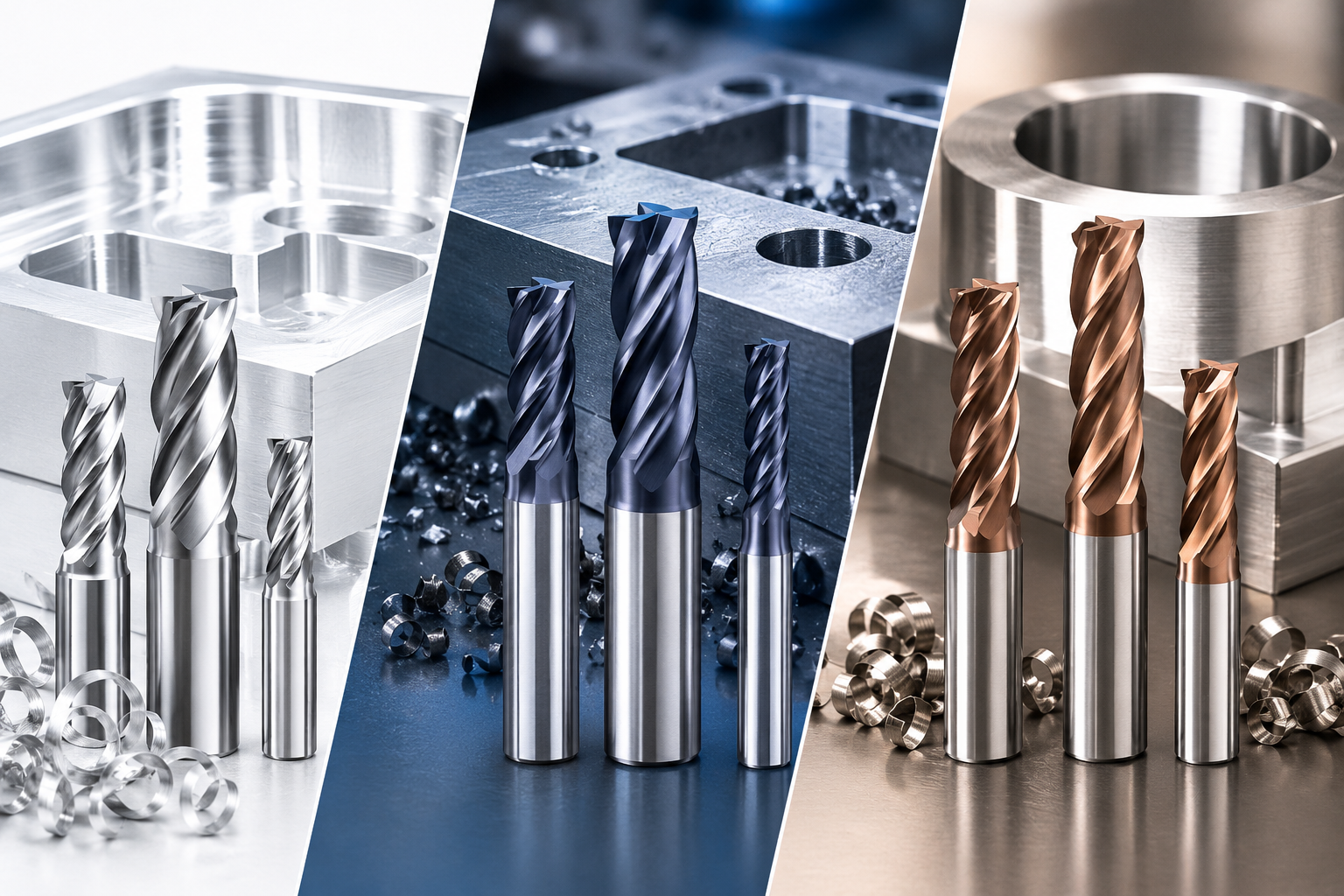
Selecting the right solid carbide end mill is essential for achieving accurate dimensions, smooth surface finishes, and reliable tool life. Aluminum, steel, and stainless steel have different machining characteristics, so using the same cutter for every material can lead to poor chip evacuation, excessive heat, premature tool wear, and increased production costs.
For machining workshops and manufacturers, Khokhawala Trading LLC recognises the importance of matching cutting tools to the workpiece and machining operation. If you are comparing solid carbide end mills for sale dubai, understanding flute count, tool geometry, coating, and machine requirements can help you make a better purchasing decision.
Table of Contents
-
Why Material-Based End Mill Selection Matters
-
Choosing End Mills for Aluminum
-
Choosing End Mills for Steel
-
Choosing End Mills for Stainless Steel
-
Important Factors to Consider
-
Frequently Asked Questions
-
Conclusion and Call to Action
1. Why Material-Based End Mill Selection Matters
Solid carbide end mills are valued for their hardness, wear resistance, and ability to perform at high cutting speeds under suitable conditions. However, different metals create different challenges during machining.
-
Aluminum: Can stick to cutting edges and produce long chips.
-
Steel: Often requires greater wear resistance and balanced cutting-edge strength.
-
Stainless steel: Can generate substantial heat and work-harden if the tool rubs instead of cutting effectively.
Selecting a tool designed for the specific material helps improve productivity, reduce tool changes, and maintain consistent machining quality.
2. Choosing Solid Carbide End Mills for Aluminum
Aluminum is relatively easy to machine, but its tendency to adhere to the cutting edge can cause built-up material and poor surface finishes.
Recommended Tool Features
-
Flute count: Two or three flutes are common because they provide generous space for chip evacuation.
-
Geometry: Sharp cutting edges and polished flutes help reduce material adhesion.
-
Coating: Uncoated, polished carbide or suitable coatings such as zirconium nitride (ZrN) may work well, depending on the alloy and application.
-
Helix angle: A higher helix can support smoother cutting and effective chip removal in suitable operations.
Practical Tip
Keep chips moving away from the cutting zone, particularly during deep slotting. Use appropriate coolant or lubrication where recommended, and select cutting parameters based on the aluminum alloy and tool manufacturer's specifications.
3. Choosing Solid Carbide End Mills for Steel
Carbon and alloy steels generally require end mills that balance cutting-edge strength, wear resistance, and heat management. The correct choice also depends on the steel's hardness and whether the operation involves roughing, slotting, or finishing.
Recommended Tool Features
-
Flute count: Four-flute end mills are a common starting point for general steel machining; other flute counts may suit specific operations.
-
Geometry: A robust cutting edge helps withstand machining forces.
-
Coating: Heat-resistant coatings such as AlTiN or TiAlN may improve performance when matched to the material and cutting conditions.
-
Tool design: Variable helix or variable-pitch geometry can help reduce vibration in some applications.
Practical Tip
Check the steel grade and hardness before choosing a cutter. Use a rigid toolholder, minimise unnecessary tool overhang, and follow recommended cutting speeds and feed rates. Hardened steel may require a specialised carbide grade and geometry.
4. Choosing Solid Carbide End Mills for Stainless Steel
Stainless steel can be more challenging to machine because it is tough, generates heat, and may work-harden when cutting conditions cause rubbing. Incorrect tool selection can shorten tool life and damage the component's surface finish.
Recommended Tool Features
-
Flute count: Three to five flutes may be suitable, depending on the operation and chip-clearance requirements.
-
Geometry: Sharp but sufficiently supported cutting edges help maintain effective cutting action.
-
Coating: Heat-resistant coatings, including suitable AlTiN- or AlCrN-based options, may benefit particular stainless grades.
-
Tool design: Variable-pitch geometry can help control chatter, while a strong core supports stability.
Practical Tip
Avoid allowing the cutter to rub against the workpiece. Maintain a suitable feed per tooth, use stable cutting conditions, and ensure chips are evacuated effectively. Coolant selection and delivery should follow the tool manufacturer's recommendations.
5. Important Factors to Consider Before Buying
Choosing the right end mill involves more than identifying the workpiece material.
| Selection Factor | What to Check |
|---|---|
| Workpiece material | Exact alloy and hardness |
| Flute count | Chip space and required feed rate |
| Tool diameter | Feature size and machining access |
| Cutting length | Depth of cut and required reach |
| Coating | Compatibility with the material and operation |
| Machine capability | Spindle speed, rigidity, and power |
| Toolholding | Runout, clamping, and stability |
| Operation | Slotting, roughing, profiling, or finishing |
Compare these specifications before purchasing. Businesses looking to buy lathe machine cutting tools uae should also distinguish turning tools from milling tools: solid carbide end mills are designed primarily for milling, while lathe cutting tools are selected for turning operations.
6. Frequently Asked Questions
Q1. Which solid carbide end mill is best for aluminum?
A two- or three-flute end mill with sharp cutting edges and polished flutes is a common starting point. The best choice depends on the aluminum alloy and machining operation.
Q2. How many flutes are best for steel?
Four flutes are commonly used for general steel milling. Roughing, deep slotting, and high-efficiency milling may require different designs.
Q3. Can I use the same end mill for steel and stainless steel?
Some general-purpose cutters can machine both materials, but material-specific geometry and coatings may provide better performance. Always check the tool's application range.
Q4. Does coating improve carbide end mill life?
A suitable coating can improve wear resistance and thermal performance. However, the wrong coating or cutting conditions may reduce performance, so compatibility matters.
Q5. What should I check before purchasing solid carbide end mills?
Confirm the workpiece material, tool diameter, flute count, coating, cutting length, machining operation, and machine capabilities.
7. Conclusion and Call to Action
Selecting solid carbide end mills for aluminum, steel, and stainless steel requires careful consideration of material properties, flute count, geometry, coating, and machine stability. Aluminum generally benefits from efficient chip evacuation, steel requires a balance of strength and wear resistance, and stainless steel needs effective heat and work-hardening control.
Looking for industrial cutting tools in the UAE? Contact Khokhawala Trading LLC to discuss your machining requirements and identify suitable tooling options for your workshop.

 English
 Arabic
 French
 Portuguese
 Deutsch
 Turkish
 Dutch
 Italiano
 Russian
 Romaian
 Portuguese (Brazil)
 Greek