
Cat Litter 101 for New Owners in Karachi, Lahore and Islamabad: A JASON Guide
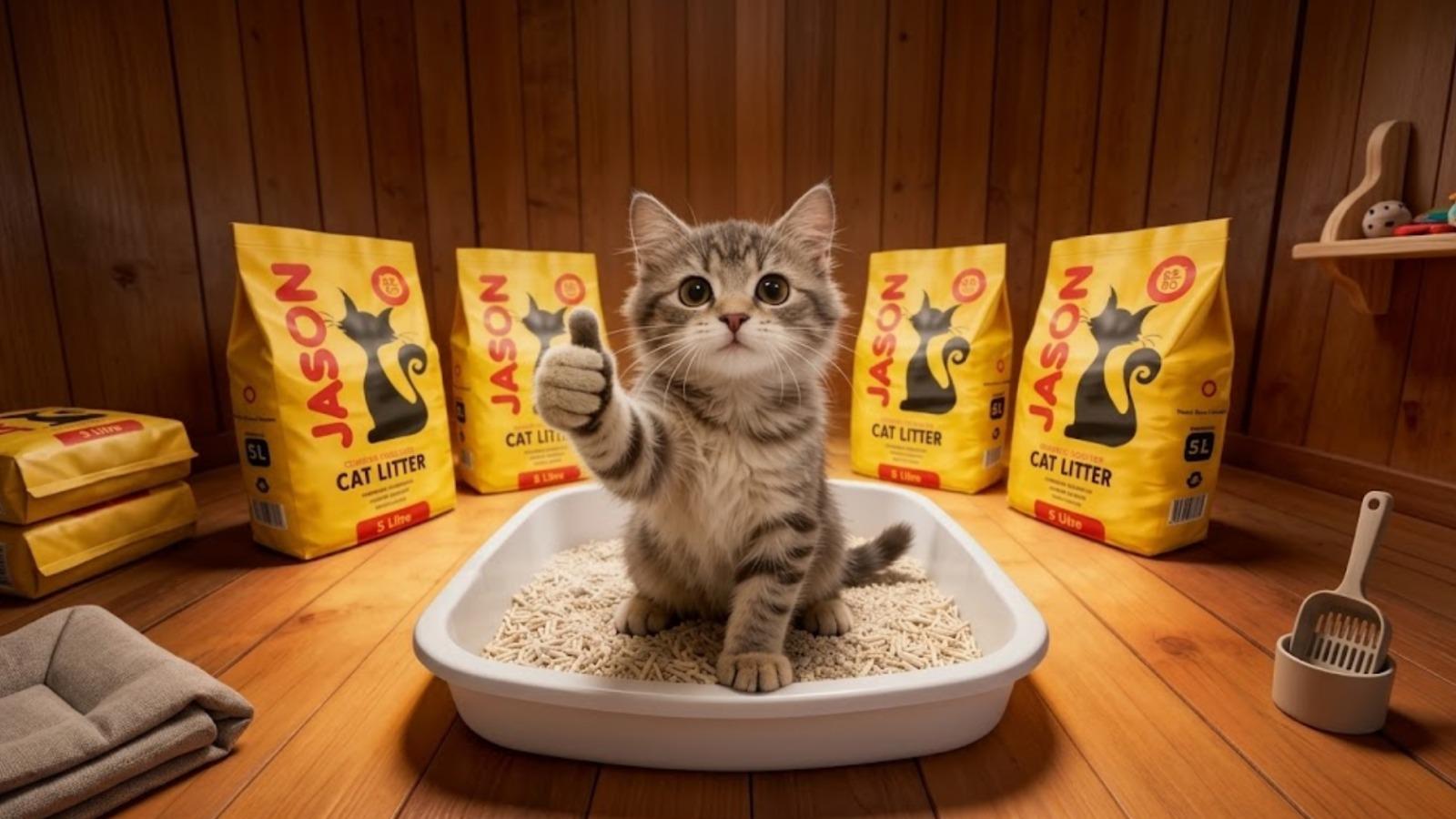
Bringing home your first cat is exciting. There is the new food bowl, the toys, the bed your cat will probably ignore in favour of a cardboard box. Then comes the part many new owners feel unsure about: the litter box.
The good news is that cats are naturally clean animals. Most will use a cat litter box almost by instinct, as long as you set it up correctly. This beginner’s guide covers everything you need to know about cat litter in your first few weeks, with practical tips for life in Karachi, Lahore and Islamabad.
Step 1: Get the Basics Ready Before Your Cat Arrives
Have these four things ready on day one:
-
A litter box. It should be about one and a half times the length of your cat. Kittens need a box with low sides so they can climb in easily.
-
Cat litter. A clumping litter is the easiest choice for beginners, because you can see exactly what needs cleaning.
-
A litter scoop. A sturdy slotted scoop that lets clean litter fall through.
-
A litter mat. It sits outside the box to catch any granules from your cat’s paws.
Optional but helpful: small bags for waste disposal and a lidded bin kept near the box.
Step 2: Choose a Beginner-Friendly Litter
As a new owner, you want a litter that is forgiving while you learn the routine. Look for:
-
Strong clumping, so urine forms firm clumps you can lift out cleanly
-
Good odour control, because new owners often scoop less often than they should at first
-
Low dust, which is kinder to your cat, your family and your furniture
-
A neutral or light scent, since many cats dislike strong perfumes
Start with a small pack. Some cats are fussy, and you will want to know your cat is happy with the litter before buying in bulk.
Step 3: Find the Right Spot for the Box
Location matters more than most new owners expect. A cat that feels unsafe or disturbed may avoid the box entirely.
Good spots:
-
A quiet corner of a bathroom, utility area or covered balcony
-
Somewhere your cat can reach at all times, day and night
-
A place with some airflow to help with odour
Avoid:
-
Next to food and water bowls, as cats do not like to eat near their toilet
-
Beside noisy appliances like washing machines or generators
-
Open balconies exposed to rain, direct sun or street noise
If you live in a large house or a multi-storey home, place a box on each floor your cat uses regularly.
Step 4: Set Up the Box Correctly
Pour in about 5 to 7 cm of litter. That is deep enough for your cat to dig and cover, but not so deep that litter gets kicked out. Smooth the surface and place the box on a litter mat.
When your cat arrives, gently place it in the box so it knows where the box is. Do not force it to stay. Repeat after meals and naps for the first few days, since these are the times cats most often need to go.
Step 5: Build a Simple Daily Routine
A clean box is the secret to a happy cat and a fresh-smelling home.
|
How often |
What to do |
|
Once or twice a day |
Scoop out clumps and solid waste |
|
After each scoop |
Top up with fresh litter to keep the depth |
|
Every 2 to 3 weeks |
Empty the box completely and refill |
|
At each full change |
Wash the box with mild, unscented soap and dry it fully |
Never use bleach or strong-smelling cleaners on the box. The smell can put your cat off using it.
City Tips: Litter Care Across Pakistan
Karachi: Beat the Humidity
Karachi’s humid, coastal air means moisture and odour build up quickly. Scoop twice a day in summer, and keep the box somewhere with airflow, near a window or exhaust if possible. Store your litter bag sealed and off the floor, as damp air can affect how well litter clumps.
Lahore: Manage Heat and Dust
Lahore’s scorching summers speed up odour, so daily scooping is essential from May to September. In winter, when smog keeps windows closed for long periods, a low-dust litter helps keep indoor air cleaner. Wipe the area around the box regularly, as outdoor dust can mix with scattered litter.
Islamabad: Plan for Colder Months
Islamabad’s cooler winters mean cats may spend more time indoors and use the box more often. Keep the box away from cold, draughty spots so your cat is comfortable using it at night. During spring, when pollen levels rise, a low-dust litter is gentler for allergy-prone households.
Common Beginner Mistakes to Avoid
-
Changing litter brands suddenly. If you must switch, mix the new litter into the old over about a week.
-
Using too little litter. A shallow layer lets urine reach the bottom of the box, making cleaning harder and smells worse.
-
Moving the box often. Cats like consistency. Pick a good spot and stick with it.
-
Punishing accidents. Cats do not understand punishment. Clean the spot with an enzyme cleaner and check whether the box needs more attention.
-
Having too few boxes. For multi-cat homes, follow the rule of one box per cat plus one extra.
Why JASON Is a Great Choice for New Owners
JASON Cat Litter is made from natural sodium bentonite clay and is designed to make the first weeks of cat ownership easier.
-
Hard, fast clumping. Clumps form within seconds and scoop out cleanly, so you always know what to remove.
-
Strong odour control. The highly absorbent formula traps odour at the source, and the brand states it keeps the box fresh for up to seven days between full changes.
-
Low dust and no tracking. JASON is described by the brand as 99% dust-free and is designed not to stick to paws or coats, so less litter spreads around your home.
-
Easy to order. JASON delivers to Karachi, Lahore, Islamabad and Rawalpindi, so you never have to carry a heavy bag home.
New owners can start with the 5 Litre Cat Litter pack to see how their cat responds, then move up to larger packs once the routine is set.
Frequently Asked Questions
1. How do I litter train a new kitten?
Most kittens learn quickly. Place your kitten in the box after meals, naps and play sessions, and let it sniff and dig. Use a low-sided box and an unscented clumping litter. Praise calmly when it uses the box, and avoid scolding accidents.
2. How many litter boxes does one cat need?
One cat usually needs one box. If your home has several floors or is very large, add a second box so your cat never has to travel far. In multi-cat homes, use one box per cat plus one extra.
3. Why is my new cat not using the litter box?
Common reasons include a dirty box, a noisy or busy location, a litter texture or scent your cat dislikes, or stress from moving to a new home. Check these first. If the problem continues, or your cat strains or cries while going, see a vet.
4. Can I use sand or soil instead of cat litter?
It is not recommended. Sand and soil do not clump well, hold odour, can carry bacteria or parasites, and get tracked through your home easily. A proper cat litter is cleaner and much easier to manage.
5. How do I dispose of used cat litter in Pakistan?
Seal scooped waste in a small bag and put it in your household rubbish. Do not flush clay litter down the toilet, as it can block pipes and local sewer lines.
Conclusion: A Clean Start for You and Your Cat
Getting the litter box right in your first few weeks sets up a happy, healthy routine for years to come. Choose a beginner-friendly clumping litter,find a quiet spot for the box, scoop daily and adjust your care to your city’s climate.
Whether you are in Karachi’s humidity, Lahore’s heat or Islamabad’s cooler air, JASON Cat Litter makes the job easier with hard, fast clumping, strong odour control and low dust. Order your first pack today and give your new cat a clean, comfortable start.

 Arabic
 French
 Spanish
 Portuguese
 Deutsch
 Turkish
 Dutch
 Italiano
 Russian
 Romaian
 Portuguese (Brazil)
 Greek