
What to Expect from Weekly Pool Cleaning Packages: A Complete Breakdown
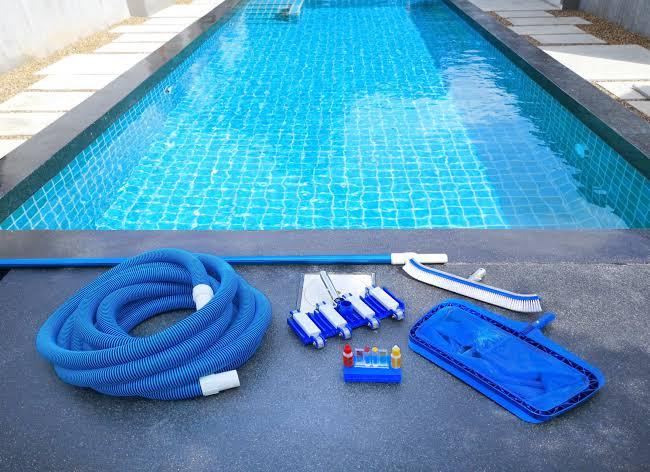
Keeping a swimming pool clean, safe, and ready for use requires consistent attention to water chemistry, filtration, and routine cleaning. For busy homeowners, professional maintenance can take much of the work off their hands while helping prevent small problems from becoming expensive repairs. However, not all weekly pool cleaning packages offer the same services, chemical coverage, or equipment inspections. Understanding what a package includes makes it easier to compare providers, evaluate pricing, and choose a service that suits your pool and budget. Whether you own a compact backyard pool or a larger inground installation, knowing what to expect can help you get better value from professional pool care.
What Are Weekly Pool Cleaning Packages?
Depending on the provider, a package may include surface skimming, brushing, vacuuming, basket cleaning, chemical balancing, and basic equipment observations. Weekly pool cleaning packages are recurring maintenance plans in which a service technician visits your property on a regular schedule to clean the pool, assess its water chemistry, and check essential equipment. Some companies offer cleaning-only plans, while others provide comprehensive service that combines physical cleaning with water testing and routine chemical adjustments. Reviewing the service description is important because the term “weekly cleaning” does not guarantee that every maintenance task is included.
A weekly schedule helps pool owners manage the gradual buildup of dirt, leaves, sunscreen, and other contaminants. Regular service can also identify changes in water clarity, circulation, or chemical balance before they become more difficult to address. Pools surrounded by trees, exposed to heavy use, or located in hot climates may require additional attention between visits. A professional plan provides consistency, but homeowners should still monitor the water and follow appropriate safety recommendations between scheduled appointments.
The best package depends on your pool's size, surface material, filtration system, and typical maintenance needs. A simple residential pool may need fewer specialized services than a pool with a spa, waterfall, saltwater generator, or extensive landscaping nearby. Consider how much maintenance you want to handle yourself and whether you prefer to purchase chemicals separately or have routine supplies included. Comparing the actual tasks and exclusions is more useful than choosing a provider based solely on the advertised monthly price.
What Is Usually Included in a Weekly Pool Cleaning Package?
A standard weekly package generally covers the essential cleaning tasks needed to keep pool water and surfaces in good condition. The technician may skim leaves and insects from the surface, brush the walls and steps, vacuum the pool floor, and empty the skimmer and pump baskets. These tasks remove debris before it accumulates and helps maintain proper water circulation. The exact cleaning routine may change depending on the season, recent weather, and how heavily the pool has been used.
Water testing and chemical balancing are also important parts of many full-service plans. A technician typically checks sanitizer levels, pH, and total alkalinity, making adjustments when necessary according to the test results. Additional parameters, such as calcium hardness and stabilizer levels, may be tested based on the pool's sanitation system and maintenance needs. Ask whether routine chemicals are included in the quoted price or billed separately, since this difference can affect your overall maintenance budget.
Some packages include a basic equipment inspection during each visit. The technician may check visible plumbing, inspect the pump and filter area, monitor filter pressure, and look for leaks or unusual equipment behavior. These observations can help identify potential concerns before they develop into larger problems. However, a routine inspection does not necessarily include equipment repairs, replacement parts, leak detection, or specialized troubleshooting, so these services should be clarified before you sign an agreement.
Understanding Different Pool Cleaning Service Levels
Pool companies often offer multiple service levels to suit different budgets and maintenance preferences. A basic cleaning package may focus on removing debris, brushing surfaces, and emptying baskets, leaving water chemistry and chemical purchases to the homeowner. This option can work for owners who are comfortable testing water and adjusting chemicals themselves. Before choosing it, confirm exactly which tasks are performed and whether vacuuming is included at every visit or only when needed.
A full-service package generally combines physical cleaning with water testing, chemical balancing, and basic equipment observations. This can be a practical choice for homeowners who want a more comprehensive maintenance routine without managing every task personally. Some providers also offer premium plans with additional filter maintenance, saltwater system checks, detailed service reports, or priority scheduling. These extras can be useful, but they should be evaluated according to your pool's actual requirements rather than assumed to be necessary.
It is equally important to understand what happens when a pool needs work beyond routine maintenance. Green-pool recovery, major algae treatment, storm cleanup, filter media replacement, equipment repairs, and specialized stain removal may incur additional charges. A neglected pool can require substantially more labor and chemicals than a regularly maintained one. Ask the company to explain how extra work is approved and priced so you can avoid unexpected charges.
How Much Do Weekly Pool Cleaning Packages Cost?
The cost of weekly pool cleaning packages varies according to location, pool size, service level, chemical requirements, and the condition of the water. A basic cleaning plan will generally cost less than a comprehensive package that includes chemical balancing and routine supplies. Pools with heavy debris, complicated layouts, attached spas, or specialized equipment may also require more time and attention. Because pricing varies between providers, request a written estimate based on your specific pool instead of relying on a general advertised rate.
When comparing quotes, look beyond the monthly total and calculate what each visit actually includes. One company might offer a lower price but charge separately for chemicals, filter cleaning, or vacuuming, while another may bundle these tasks into its regular rate. Ask whether the price covers four visits per month, every scheduled week, or a different billing arrangement. You should also confirm how holidays, missed visits, severe weather, and additional service calls are handled.
Your annual budget should account for more than recurring cleaning fees. Seasonal opening and closing services, equipment maintenance, replacement parts, major chemical treatments, and unexpected repairs can add to the total cost of pool ownership. A written maintenance plan can help you separate predictable expenses from occasional work. Understanding these costs in advance makes it easier to select a package that fits your budget without compromising essential maintenance.
How Much Should an Inground Pool Cost, and How Does Maintenance Fit In?
Homeowners considering a new swimming pool often ask, how much should an inground pool cost? The answer depends on the pool's dimensions, construction material, site conditions, labor rates, and the features included in the project. Fiberglass, vinyl-liner, and concrete pools have different installation requirements and long-term maintenance considerations. Excavation, permits, decking, fencing, landscaping, lighting, and heating can also influence the final investment, so a single price estimate cannot accurately represent every project.
It is important to distinguish the cost of building an inground pool from the ongoing cost of maintaining it. Installation is a major upfront expense, while weekly cleaning packages are recurring operating costs that continue throughout the period you own the pool. Water treatment, electricity, repairs, and seasonal services may add to those ongoing expenses. Before committing to construction, homeowners should consider both the initial project budget and the realistic annual cost of keeping the pool clean and functional.
Pool design can influence future maintenance needs as well. A pool surrounded by trees may collect more leaves, while water features and attached spas can add complexity to circulation and water balance. Choosing suitable equipment and discussing maintenance requirements during the planning stage can make routine care easier later. If you are comparing construction proposals, ask each contractor about the equipment specifications, expected maintenance requirements, and any features that may affect ongoing service costs.
How to Choose the Right Weekly Pool Cleaning Provider
Start by looking for a provider that clearly explains its services, pricing, scheduling, and approach to water testing. Ask whether the company has appropriate insurance and any licenses or certifications required in your area. Experience with your type of pool and sanitation system can also be valuable, especially if your setup includes a saltwater generator, automated controls, or specialized filtration equipment. A professional provider should be able to explain its routine process without making vague promises about what the service includes.
Request a written breakdown of the weekly maintenance tasks and the products or chemicals covered by the fee. Confirm whether filter cleaning is included, performed only when needed, or charged as an additional service. Ask how water test results are recorded and how the technician reports equipment concerns or recommends repairs. Clear documentation helps you understand what happened during each visit, even when you are not home.
Communication and consistency matter just as much as the advertised price. A reliable provider should follow an agreed schedule, explain additional charges before performing nonroutine work, and respond appropriately when a problem arises. Read customer reviews carefully, paying attention to recurring comments about punctuality, communication, and service quality. The best choice is a company that delivers the tasks your pool needs at a transparent price, rather than simply offering the lowest quote.
Questions to Ask Before Signing a Pool Service Agreement
Before choosing a package, ask the provider to define the scope of every scheduled visit. Find out whether skimming, brushing, vacuuming, basket cleaning, chemical balancing, and equipment checks are included. Clarify whether routine chemicals are covered and whether there are limits or extra charges for unusually high chemical demand. These details help you compare plans fairly and reduce the likelihood of misunderstandings later.
You should also ask how the company handles problems that arise between visits. For example, find out what happens if the water turns cloudy, an algae problem develops, or the filtration system appears to malfunction. Some companies offer additional visits at a separate rate, while others may have specific procedures for urgent maintenance concerns. Understanding these arrangements in advance helps you know what support is available when routine service is not enough.
Finally, review the agreement's billing terms, cancellation policy, and process for approving repairs or extra work. Ask whether service reports are provided and whether you will receive notice if a scheduled visit needs to be rescheduled. Keep a copy of the agreement so you can refer to the included tasks and agreed pricing. A clear contract establishes realistic expectations and creates a better working relationship between the homeowner and the service provider.
Final Thoughts on Weekly Pool Cleaning Packages
Choosing the right weekly pool cleaning packages starts with understanding your pool's needs and deciding how much maintenance you want to manage yourself. A basic plan may suit homeowners who handle water chemistry independently, while a full-service option can provide a more comprehensive approach to cleaning, testing, and routine care. Comparing inclusions, chemical costs, equipment checks, and additional service charges helps you evaluate the real value of each proposal. A well-defined package can make pool ownership more manageable and help you plan recurring expenses.
Remember that professional weekly service complements, rather than replaces, responsible pool ownership. Follow appropriate water-testing guidance between visits, monitor the pool's condition, and make sure safety equipment and barriers remain in good working order. If the water becomes cloudy or chemical levels fall outside recommended ranges, investigate promptly rather than waiting for the next scheduled appointment. Consistent attention helps protect swimmers and supports effective sanitation.
Whether you already own a pool or are budgeting for a new inground installation, planning for ongoing maintenance is an important part of managing the investment. Ask detailed questions, compare written proposals, and choose a provider whose service scope matches your expectations. With transparent pricing and a consistent maintenance routine, you can keep your pool cleaner, protect its equipment, and enjoy a more predictable approach to long-term pool care.

 English
 Arabic
 French
 Spanish
 Portuguese
 Deutsch
 Dutch
 Italiano
 Russian
 Romaian
 Portuguese (Brazil)
 Greek