
Types of Web Applications for Modern Business Needs
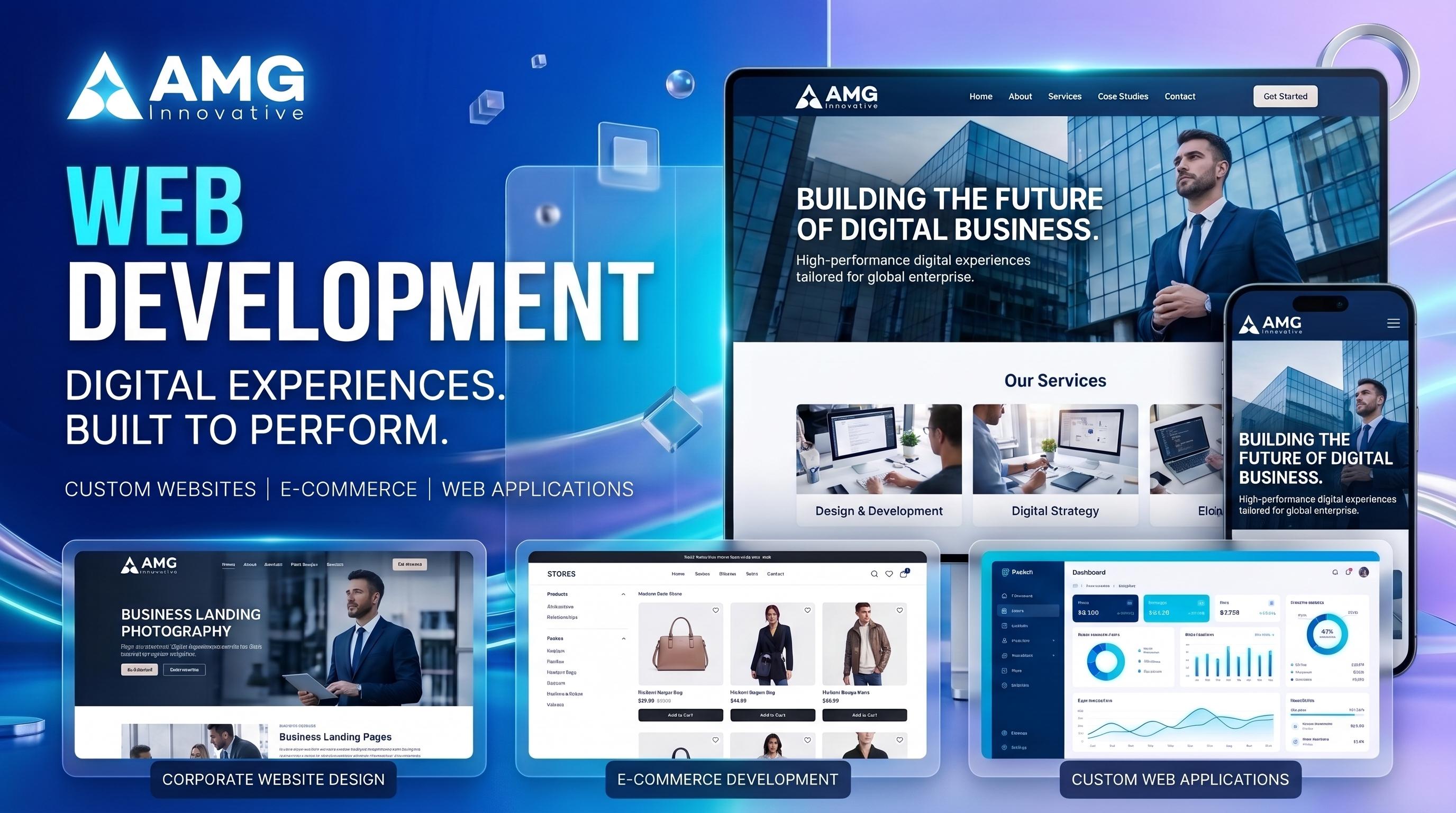
Web applications have become an important part of the digital world. Businesses use them to provide online services, manage information, communicate with customers, and improve daily operations. Unlike basic websites, web applications allow users to interact with online systems and complete different tasks through a browser.
There are many types of web applications, and each type is designed for a specific purpose. Some applications are used for online shopping, while others support banking, communication, education, or business management. Understanding these types can help companies choose the right solution for their needs.
What Is a Web Application?
A web application is software that runs through a web browser. Users can access it from devices such as computers, tablets, and smartphones. Most web applications connect with a server or database to store and process information.
Users can log in, submit forms, make payments, manage accounts, search for products, or perform other tasks. This makes web applications more interactive than traditional websites.
Modern web application development focuses on creating platforms that are easy to use, secure, fast, and suitable for different devices.
Static Web Applications
Static web applications are among the simplest types of online applications. They mainly display fixed information and do not require frequent changes from the user.
These applications can be useful for small businesses, portfolios, landing pages, and simple company presentations. They are usually fast because they have limited functions and content.
Although static applications are simple, they can provide a clean online presence for businesses that mainly want to share information about their services, products, or company.
Dynamic Web Applications
Dynamic web applications provide content that can change based on user activity or information stored in a database. They are more interactive than static applications.
For example, a news platform can show new articles regularly, while an online store can display different products based on available stock.
Dynamic applications are useful for businesses that need regularly updated content. They can also support customer accounts, search functions, forms, and other interactive features.
E-Commerce Web Applications
E-commerce web applications are designed for online shopping. They allow businesses to sell products and services through the internet.
Customers can browse products, view prices, add items to a shopping cart, make payments, and track orders. Businesses can manage product information, inventory, customer details, and sales through an online dashboard.
E-commerce applications have become an important part of business website development because they allow companies to sell to customers across different locations.
Single-Page Applications
Single-page applications, often called SPAs, load most of their main content on one web page. Instead of loading a completely new page after every action, the application updates the required part of the screen.
This can create a smooth and fast user experience. Online email systems, dashboards, and some social platforms use this approach.
Single-page applications can be useful when users need to perform many actions without constantly waiting for new pages to load.
Multi-Page Web Applications
Multi-page applications work through several separate pages. When users select a new section, the browser loads another page from the server.
Many traditional business websites, online stores, and large information platforms use this structure. Each page can have its own content and purpose.
Multi-page applications can be useful for businesses with large amounts of content or many different services. They can also make it easier to organize information into clear sections.
Portal Web Applications
Portal web applications provide users with a central place to access different services and information. They are often used by businesses, schools, hospitals, and government organizations.
A customer portal may allow users to check orders, update personal details, submit support requests, or view documents. An employee portal may provide access to work schedules, company information, and internal tools.
Portals can improve communication by bringing several services together in one online platform.
Content Management Applications
Content management applications allow users to create, edit, organize, and publish digital content. They are commonly used by businesses, publishers, bloggers, and marketing teams.
Users can manage text, images, videos, pages, and other content without changing the main code of the application.
These systems are useful for companies that regularly update their websites. They can make content management easier and reduce the need for technical support for simple updates.
Customer Relationship Applications
Customer relationship applications help businesses manage interactions with customers. They can store customer details, communication records, sales information, and support requests.
Sales and support teams can use these applications to track customer activity and manage follow-ups. This helps businesses keep customer information organized.
Such systems can also connect with email, sales, marketing, and customer support tools to create a more complete customer management process.
Business Management Applications
Business management web applications help companies manage internal operations. They can be designed for areas such as inventory, accounting, project management, human resources, or sales.
Employees can access these systems through a browser and update information in real time. Managers can use dashboards to monitor activities and review important business data.
These applications can reduce manual work and help teams manage daily tasks from a central platform.
Social Networking Applications
Social networking web applications allow users to create profiles, share content, communicate with other users, and build online communities.
Users may share text, images, videos, and other forms of content. Messaging and notification features can help users stay connected.
Businesses can also use social platforms to communicate with customers, promote products, and build brand awareness.
Educational Web Applications
Educational web applications are designed to support online learning. Schools, universities, training centers, and businesses can use them to provide courses and learning materials.
Students can access lessons, watch videos, complete tests, submit assignments, and communicate with teachers. Teachers can manage courses and monitor student progress.
These applications make learning more flexible because users can access educational content from different locations.
Banking and Financial Applications
Banking web applications allow customers to manage financial activities online. Users can check account balances, transfer money, pay bills, review transactions, and access other financial services.
Security is especially important for these applications because they handle sensitive financial information. Strong login systems, secure connections, and access controls are needed to protect users.
Financial businesses often invest heavily in reliable web application development to provide secure and convenient online services.
Booking and Reservation Applications
Booking applications allow users to reserve products, services, rooms, tickets, appointments, and other resources online.
Customers can view available options, choose a suitable time or date, make payments, and receive confirmation. Hotels, airlines, restaurants, clinics, and service companies can use these systems.
These applications can reduce manual booking work and provide customers with a convenient way to schedule services.
Progressive Web Applications
Progressive web applications, or PWAs, combine features of websites and mobile applications. They can provide fast performance and work across different devices.
Some PWAs can also support features such as offline access, notifications, and installation on a device. This makes them useful for businesses that want an app-like experience without building separate applications for every platform.
Web Applications and Business Website Development
Business website development can include many types of web applications depending on the company's goals. A small business may need a simple service platform, while a large company may require an advanced customer portal or management system.
The right application should match the company's users, services, budget, and future plans. Good planning helps ensure that the platform provides useful features without unnecessary complexity.
Choosing the Right Type
Choosing the right type of web application depends on what the business wants to achieve. Companies should consider their target users, required features, data needs, security, expected traffic, and future growth.
A simple application may be enough for a small company, while a growing online business may need an e-commerce or customer management platform. Understanding business needs before development can help reduce costs and improve the final result.
Conclusion
There are many types of web applications, including static applications, dynamic applications, e-commerce platforms, single-page applications, portals, content systems, customer management platforms, educational applications, booking systems, and progressive web applications.
Each type serves a different purpose and can help businesses provide better online services. With effective web application development and business website development, companies can create digital platforms that improve customer experiences, simplify operations, and support long-term growth. Choosing the right type is the first step toward building a useful and successful web solution.
More Info: Amg Innovative

 English
 Arabic
 French
 Spanish
 Portuguese
 Deutsch
 Turkish
 Italiano
 Russian
 Romaian
 Portuguese (Brazil)
 Greek