
Pest Control Canada: A Complete Guide to Managing Common Pests
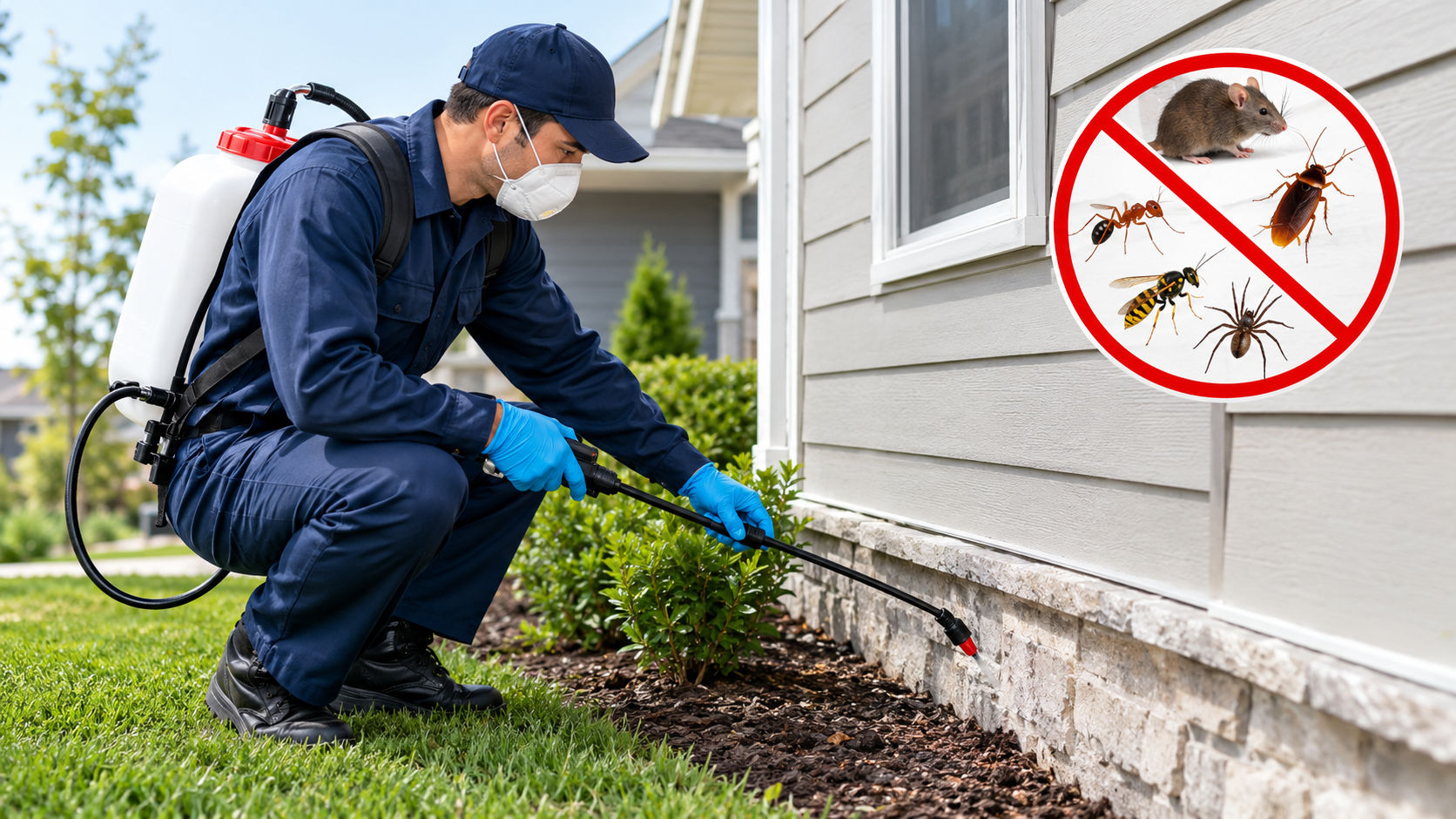
Pest problems can affect homes, businesses, and public spaces across the country, from urban apartments to rural properties. Understanding pest control Canada options helps property owners identify common infestations, choose suitable treatment methods, and take preventive steps throughout the year. Weather conditions, building design, sanitation, and access to food and water all influence which pests may appear and how they behave.
Canada's varied climate creates different pest management challenges across its provinces and territories. Cold winters can encourage mice and other animals to seek shelter indoors, while warmer months often bring increased insect activity. Effective pest management combines accurate identification, suitable treatment, preventive maintenance, and regular monitoring.
What Is Pest Control?
Pest control refers to the methods used to prevent, reduce, or manage unwanted insects, rodents, and other organisms. The goal is to protect property, maintain hygiene, and reduce risks associated with pest activity.
A suitable pest management plan considers the type of pest, the affected environment, the extent of the problem, and the potential risks of different treatments.
Residential Pest Control
Residential pest management focuses on protecting houses, apartments, condominiums, garages, basements, and other living spaces.
Common concerns include ants in kitchens, mice in basements, cockroaches near plumbing, and insects entering through windows or exterior gaps. The correct response depends on the pest and where it is active.
Commercial Pest Control
Businesses may require a more structured approach to pest prevention. Restaurants, offices, warehouses, retail shops, and food storage facilities can face different risks depending on their activities.
Scheduled inspections, monitoring records, sanitation procedures, and prompt maintenance can help businesses manage pest activity. Food-related businesses should also follow the applicable health and safety requirements.
Common Pests Across Canada
Although pest activity varies by region, several pests commonly affect Canadian properties.
Mice and Rats
Rodents may enter buildings through gaps around foundations, pipes, doors, vents, and utility openings. They can contaminate stored food, damage materials, and leave droppings or nesting debris.
Signs of activity include gnaw marks, scratching sounds, damaged packaging, and droppings along walls or in cupboards.
Effective management combines suitable trapping or other control measures with sealing entry points and removing accessible food sources. If droppings or nesting materials are present, clean them using appropriate safety precautions rather than sweeping or vacuuming them dry.
Ants
Ants are common around kitchens, patios, foundations, and other areas where food or moisture is available. Some species nest outdoors and enter buildings through small openings, while others may establish colonies inside structures.
Clean surfaces, store food in sealed containers, and repair leaks to reduce attraction. Identifying the species and locating its entry route can help determine the appropriate treatment.
Cockroaches
Cockroaches prefer sheltered environments with access to food and moisture. They may hide behind appliances, beneath sinks, around drains, and inside cracks or cluttered storage areas.
Their presence may indicate sanitation issues, hidden harbourage, or movement between adjoining units. Treatment generally requires a combination of targeted control, thorough cleaning, moisture management, and monitoring.
Bed Bugs
Bed bugs can occur in homes, apartments, hotels, and other places where people sleep or rest. They hide in mattress seams, bed frames, furniture joints, and small gaps near sleeping areas.
Possible signs include live insects, shed skins, and small dark marks. Skin reactions alone cannot confirm their presence because other insects and conditions can produce similar symptoms.
A professional inspection can help confirm the problem and guide treatment. Follow preparation instructions carefully, and avoid moving potentially infested furniture into unaffected rooms.
Wasps and Other Insects
Wasps may build nests under roof edges, in sheds, or around decks and other sheltered outdoor structures. Mosquitoes can become more active around standing water during warmer months.
Keep screens in good condition, remove standing water where practical, and avoid disturbing nests. Professional help may be appropriate when nests are close to occupied areas or when there is a risk of serious allergic reactions.
How Canada's Seasons Affect Pest Activity
Seasonal conditions influence pest behaviour, but the exact patterns vary by location and species.
Spring Pest Prevention
As temperatures rise, ants and other insects may become more active. Spring is a useful time to inspect exterior walls, windows, doors, and foundations for gaps or damage.
Check outdoor storage areas and repair screens before insects become more noticeable. Address standing water and clear debris from suitable drainage areas.
Summer Pest Management
Warm weather can increase the activity of mosquitoes, flies, ants, and wasps. Outdoor gatherings may also attract insects when food and waste are left uncovered.
Use secure waste containers, clean outdoor eating areas, and remove standing water where possible. Keep doors closed when practical and repair damaged screens.
Fall Rodent Prevention
As temperatures fall, mice and other rodents may seek shelter in garages, basements, attics, and wall cavities.
Inspect openings around utility lines, door frames, vents, and foundations. Store animal feed and other food sources securely, and avoid leaving materials piled against exterior walls.
Winter Indoor Protection
Cold weather may reduce the activity of some outdoor insects, but indoor pests can remain active in heated buildings. Rodents may continue nesting where they have access to food, shelter, and entry points.
Check storage spaces periodically, monitor for droppings or gnaw marks, and maintain suitable sanitation. Do not assume that cold weather alone will eliminate an established indoor infestation.
Professional Pest Control Methods
The most suitable treatment depends on the pest species, the location of the infestation, and the conditions within the property.
Inspection and Identification
A professional inspection can help establish which pest is present and where it is active. Technicians may check for entry points, nests, droppings, damaged materials, moisture, and other signs.
Accurate identification helps prevent unnecessary treatments and supports a more targeted response.
Traps and Bait Stations
Traps and bait stations can be useful for managing certain rodents and insects. Their placement and selection should reflect the pest's behaviour and the conditions of the property.
Devices should be positioned according to the product instructions and kept inaccessible to children and pets where required. Monitoring helps determine whether control measures are working.
Targeted Chemical Treatments
Approved pest control products may be used when appropriate for the species and situation. Application must follow product labels, relevant regulations, and safety requirements.
Property owners should ask about treatment locations, ventilation, food protection, pet safety, and any restrictions on re-entering treated areas.
Physical Exclusion
Exclusion focuses on preventing pests from entering or moving through a property. Common measures include repairing screens, fitting door sweeps, sealing gaps, and protecting openings around pipes and cables.
For rodents, use durable materials suitable for the location and the pest's ability to chew. Exclusion is often an important part of preventing repeat infestations.
Choosing a Pest Control Provider in Canada
Choosing a suitable provider involves checking their experience, proposed treatment methods, safety practices, and service terms.
Review Qualifications and Local Requirements
Pest control regulations can vary by province, territory, and type of service. Ask whether the provider meets the licensing, certification, and insurance requirements applicable to the work.
A reliable provider should be able to explain the pest identified, the treatment recommended, and the reasons for selecting that method.
Request a Clear Estimate
Pricing can depend on the pest species, property size, infestation severity, access requirements, and number of visits.
Request a written estimate that identifies the work included and any additional charges for follow-up visits, monitoring, or repairs. This makes it easier to understand the expected service and avoid misunderstandings.
Ask About Safety and Follow-Up
Before treatment, ask what preparation is required and whether occupants or pets need to avoid specific areas.
You should also understand what results to expect, how long treatment may take to work, and what to do if pest activity continues.
Practical Ways to Prevent Infestations
Preventive measures can reduce the likelihood of pests entering and settling inside a property.
Maintain Clean Food Storage Areas
Keep food in sealed containers and clean crumbs or spills promptly. Store pet food appropriately and avoid leaving food waste accessible overnight.
Clean cupboards and storage spaces periodically so that signs of pest activity can be noticed early.
Manage Water and Moisture
Repair leaking pipes, taps, and appliances. Address damp areas and maintain suitable ventilation where moisture accumulates.
Outside, empty containers that collect rainwater and keep drainage areas clear to reduce conditions that encourage certain insects.
Reduce Clutter
Cardboard, paper, fabric, and stored belongings can provide shelter for some pests. Organize storage areas and keep frequently inspected spaces accessible.
Avoid storing unnecessary materials directly against exterior walls, where they can make inspections more difficult.
Maintain the Building Exterior
Inspect foundations, door frames, roof edges, vents, and screens for damage. Seal suitable gaps and repair damaged components promptly.
Regular maintenance can reduce pest entry opportunities and help identify problems before they become widespread.
Integrated Pest Management
Integrated Pest Management, often called IPM, combines inspection, prevention, monitoring, and targeted treatment. Instead of relying exclusively on pesticides, it addresses the conditions that support pest activity.
An IPM approach may involve identifying the species, removing food and water sources, sealing entry points, using monitoring devices, and applying an appropriate treatment when needed.
This approach can help reduce unnecessary pesticide use while improving long-term pest management. Its effectiveness depends on accurate identification, consistent maintenance, and suitable follow-up.
Conclusion
Pest control in Canada requires an approach that accounts for local climate, building conditions, pest behaviour, and the needs of each property. Rodents, ants, cockroaches, bed bugs, wasps, and other pests may require different methods, making accurate identification an important first step.
Property owners can reduce pest risks by maintaining clean spaces, managing moisture, sealing entry points, and inspecting buildings throughout the year. When an infestation persists or creates a safety concern, a qualified local pest management provider can recommend suitable treatment and monitoring measures.
Frequently Asked Questions
What are the most common household pests in Canada?
Common household pests include mice, rats, ants, cockroaches, bed bugs, wasps, and various seasonal insects. The species encountered depend on the region, property conditions, and time of year.
When is pest control most important in Canada?
Pest management is useful throughout the year. Spring and summer often bring increased insect activity, while fall and winter can increase the likelihood of rodents seeking indoor shelter.
Should I hire a professional for a pest infestation?
Professional assistance may be appropriate when pest activity persists, the species is difficult to identify, the infestation is widespread, or treatment involves safety concerns.
Does cold weather eliminate pests?
Cold weather may reduce the activity of some outdoor pests, but it does not necessarily eliminate them. Many pests survive in sheltered areas or remain active inside heated buildings.
How can I reduce pest problems at home?
Store food securely, clean spills promptly, repair leaks, seal entry points, maintain screens, reduce clutter, and inspect your property regularly.
Are pest control products regulated in Canada?
Pest control products are subject to Canadian regulatory requirements, and provincial or territorial rules may also apply to their sale and use. Always use products according to their labels and applicable instructions.

 English
 Arabic
 French
 Spanish
 Portuguese
 Deutsch
 Turkish
 Italiano
 Russian
 Romaian
 Portuguese (Brazil)
 Greek