
Biogas Plant Cost in India in 2026–27: Price, Installation and Key Factors
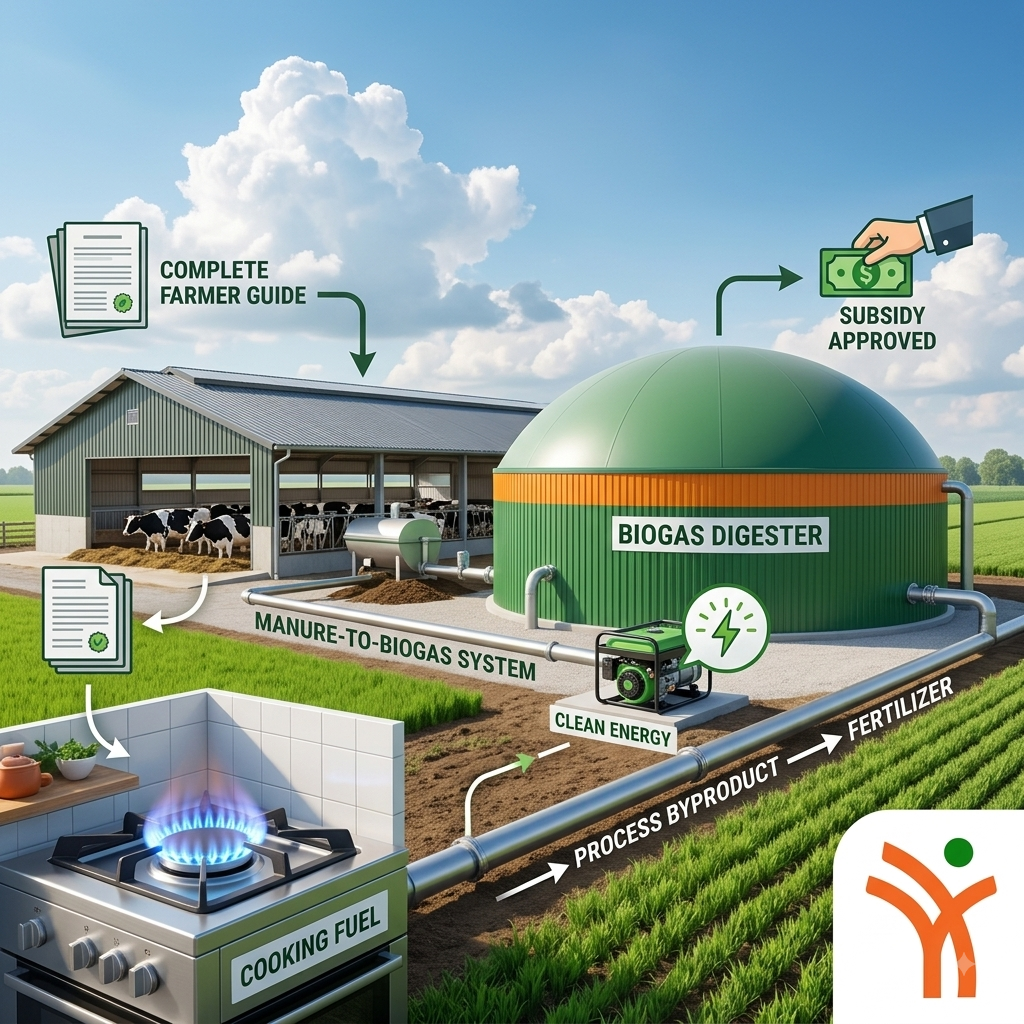
The biogas plant cost in India in 2026–27 depends on plant capacity, waste availability, technology, and installation requirements. Biogas plants help households, farmers, and businesses convert organic waste into renewable energy and nutrient-rich manure. They can use materials such as cow dung, food waste, agricultural residues, and poultry waste.
Before investing in a biogas project, it is important to understand the installation expenses, operating costs, and potential long-term benefits. This guide explains the main factors that influence biogas plant prices in India.
Key Factors Affecting Biogas Plant Installation Cost
Plant Capacity
The size of the plant directly affects the overall investment. Larger plants require bigger digesters, gas storage systems, feeding equipment, and processing units. Therefore, selecting the right capacity according to daily waste availability is essential.
Type of Organic Waste
Biogas plants can process cow dung, food waste, poultry litter, and agricultural residues. Different feedstocks require different handling and processing methods, which can influence the total project cost.
Technology and Equipment
Fixed-dome systems and other small-scale designs generally have different costs from automated commercial digesters. Industrial projects may require pumps, mixers, gas holders, monitoring systems, and specialised machinery.
Land and Installation
Land preparation, civil construction, foundations, pipelines, labour, transportation, and commissioning can add to the biogas plant installation cost. These expenses should be included in the initial budget.
Gas Purification and Compression
Plants designed to produce electricity or heat have different equipment requirements from plants producing compressed biogas. CBG projects need additional gas-upgrading and compression systems, increasing the investment.
Additional Expenses to Consider
Apart from equipment and construction, project owners should consider recurring and additional expenses, including:
-
Regular maintenance and equipment repairs.
-
Waste collection and transportation.
-
Electricity and water requirements.
-
Skilled labour and operator training.
-
Safety systems, testing, and applicable approvals.
Planning these expenses in advance helps businesses prepare a more realistic project budget.
Benefits of Investing in a Biogas Plant
A properly designed biogas plant can provide several long-term benefits:
-
Lower energy expenses: Biogas can replace part of the conventional fuel used for cooking, heating, or electricity generation.
-
Better waste management: Organic waste can be processed instead of being disposed of without treatment.
-
Organic manure production: The digested slurry can be used as a soil amendment when properly managed.
-
Environmental benefits: Biogas can support renewable energy generation and reduce emissions when the system is appropriately designed and operated.
-
Resource efficiency: Farms and industries can turn available organic waste into useful energy and by-products.
Are Government Subsidies Available for Biogas Plants?
The Ministry of New and Renewable Energy (MNRE) has operated programmes supporting eligible biogas projects. However, assistance depends on the applicable scheme, plant capacity, beneficiary category, and current implementation rules.
Before including a subsidy in your budget, check the latest eligibility conditions and application process on the official MNRE website. Do not assume that every domestic, commercial, or CBG project qualifies for financial assistance.
How to Choose the Right Biogas Plant
Before selecting a system, estimate the daily availability of organic waste, identify the intended use of the gas, assess the available land, and calculate operating expenses. Compare project quotations based on capacity, equipment, installation, maintenance, and expected output rather than price alone.
Businesses planning larger projects can explore commercial biogas solutions to understand potential applications for their operations.
Conclusion
The biogas plant cost in India in 2026–27 varies significantly according to capacity, technology, and project requirements. Understanding installation expenses, operating costs, and potential benefits can help households, farmers, and businesses make informed decisions. A detailed feasibility study and a project-specific quotation are the best starting points for planning a reliable biogas system.
Frequently Asked Questions
What affects commercial biogas plant prices?
Capacity, feedstock type, technology, land development, equipment, and installation requirements are major cost factors.
Is a CBG plant more expensive than a regular biogas plant?
Generally, yes. A CBG plant requires additional gas purification, upgrading, and compression equipment.
How can I estimate the return on investment?
Compare the initial investment and annual operating costs with the value of fuel or electricity generated, waste-management savings, and usable by-products. Actual payback depends on project performance and local conditions.
Domestic Biogas , Commercial Biogas , BioGas , Sewage Water Treatment Plant , Effluent Water Treatment Plant , Zero Liquid Discharge Water Treatment Plant

 English
 Arabic
 French
 Spanish
 Portuguese
 Turkish
 Dutch
 Italiano
 Russian
 Romaian
 Portuguese (Brazil)
 Greek