
Pre Finished Hardwood Flooring: A Complete Buying Guide
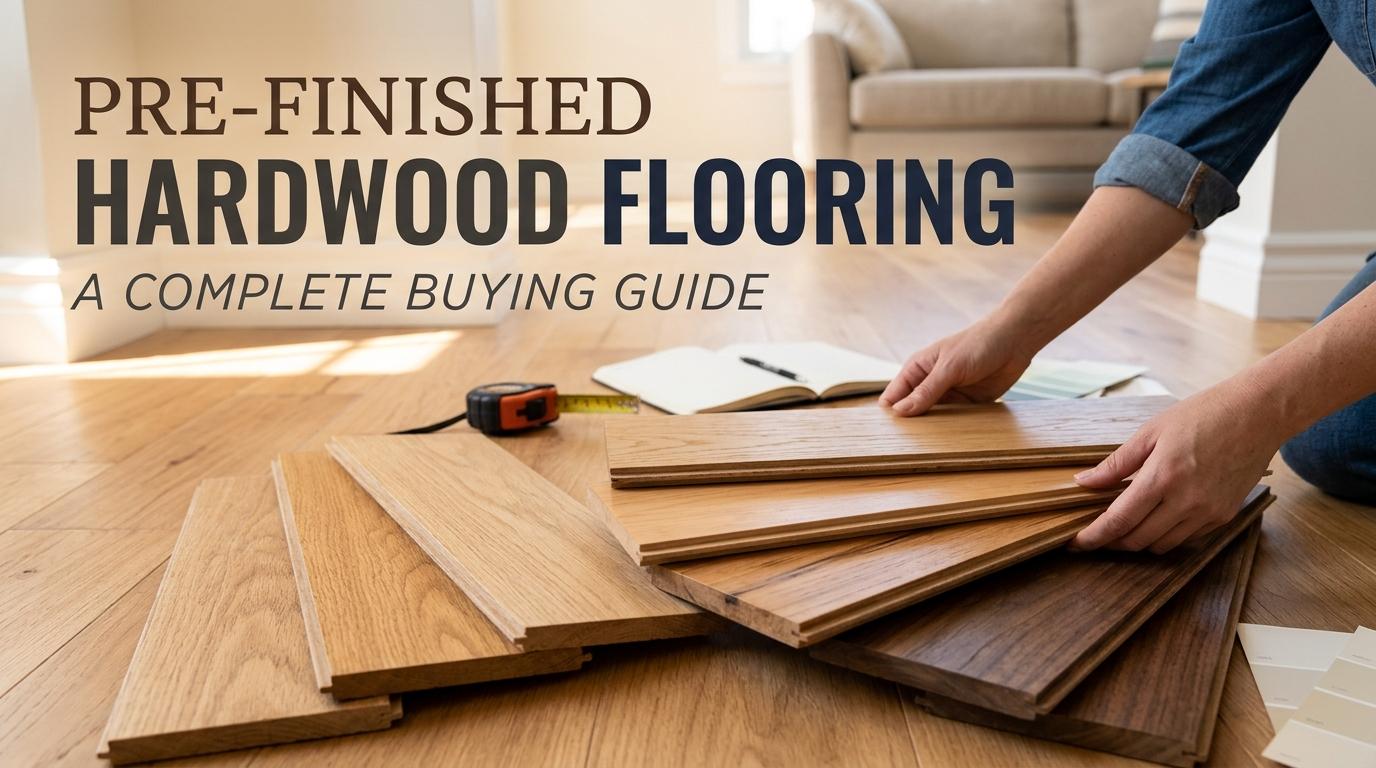
Choosing the right flooring is an important part of improving any home. Hardwood flooring remains a popular option because it offers a natural wood appearance, long-term value, and compatibility with different interior styles. However, homeowners often have questions about installation, maintenance, durability, and overall costs. Understanding the available options can help you make a better decision before starting a flooring project. This guide explains the important features, benefits, and considerations of Pre Finished Hardwood Flooring.
What Is Pre Finished Hardwood Flooring?
Pre finished hardwood flooring is real wood flooring that has been sanded, stained, and coated with a protective finish at the factory before it reaches your home. Unlike unfinished hardwood, it does not require sanding and finishing after installation.
Manufacturers apply protective coatings under controlled conditions. This helps create a consistent surface and reduces the amount of finishing work required at home.
Pre finished hardwood floors are available in different wood species, including oak, maple, hickory, walnut, and cherry. They also come in several plank widths, colors, textures, and surface styles.
How Does Pre Finished Hardwood Flooring Work?
The manufacturing process usually includes several steps. First, the wood is prepared and cut into flooring planks. Next, manufacturers apply stains or other treatments to achieve the selected color.
After staining, protective coatings are added and cured at the factory. Some products use multiple layers of finish to improve resistance to everyday wear.
Once the flooring arrives, installers prepare the subfloor and install the planks according to the manufacturer's instructions. Since the finishing process is already complete, there is generally no need for additional sanding or staining.
Benefits of Pre Finished Hardwood Flooring
There are several reasons homeowners consider this flooring option for renovation and new construction projects.
Faster Installation
One major advantage is the reduced installation time. Traditional unfinished hardwood needs sanding, staining, and finishing after installation. Pre finished flooring arrives ready for use after installation and any required settling or adhesive curing.
Consistent Factory Finish
Factory finishing provides a more controlled application process. This can produce a uniform appearance across the planks and reduce inconsistencies that sometimes happen with on-site finishing.
Less Mess During Installation
Because the flooring does not normally need sanding or staining inside the home, installation creates less dust and fewer finishing-related odors. This can make renovation projects easier to manage.
Different Design Options
Homeowners can choose from natural oak, dark walnut, light maple, and other finishes. Different plank widths and textures also make it easier to coordinate flooring with furniture, cabinets, and wall colors.
Easy Everyday Maintenance
Regular sweeping, vacuuming with a suitable hardwood attachment, and occasional cleaning with a manufacturer-approved wood floor cleaner can help maintain its appearance.
Pre Finished Wood Flooring: Types and Styles
Pre finished wood flooring is available in two main construction types: solid hardwood and engineered hardwood.
Solid Hardwood Flooring
Solid hardwood planks are made from a single piece of natural wood. They are a common choice for living rooms, bedrooms, and other areas where moisture levels can be controlled. Depending on their thickness and condition, solid hardwood floors can usually be sanded and refinished multiple times.
Engineered Hardwood Flooring
Engineered hardwood consists of a real wood surface layer attached to multiple layers of plywood or other wood-based materials. Its layered construction can provide better dimensional stability when humidity changes.
However, refinishing depends on the thickness of its top wood layer. Always check the product specifications before purchasing.
Prefinished Hardwood Flooring Cost
The total cost depends on the wood species, plank thickness, finish quality, brand, and installation method. Some products are more expensive because they use premium wood, wider planks, or specialized surface treatments.
When calculating the budget, consider these expenses:
- Flooring material per square foot
- Underlayment and moisture protection
- Professional installation labor
- Subfloor preparation
- Removal of existing flooring
- Door trimming and transition pieces
Request at least two or three written estimates before selecting a contractor. Compare the complete project cost rather than looking only at the price of individual flooring planks.
Pre Finished Hardwood Flooring Pros and Cons
Before making a purchase, it is useful to understand both the advantages and limitations.
Pros
- Faster installation than unfinished hardwood.
- Factory-applied finishes provide consistent results.
- Less sanding dust and finishing work inside the home.
- Multiple wood species and colors are available.
- Many products have durable protective coatings.
- Less disruption during renovation.
Cons
- Limited opportunities to customize the stain after purchase.
- Small grooves or bevels may remain visible between planks.
- Damaged boards can be difficult to replace without matching issues.
- Some engineered products have thin wood layers that limit refinishing.
- Quality products can require a higher initial material investment.
How to Choose the Right Hardwood Flooring
Selecting flooring requires more than choosing an attractive color. Consider how the room is used and how much daily activity the surface will experience.
Check the Wood Species
Oak is a common choice because it offers a recognizable grain pattern and good everyday performance. Maple has a more subtle grain, while hickory provides a varied natural appearance. Choose a species that suits your interior design and household requirements.
Compare Finish Quality
Ask the manufacturer about the type of protective coating, finish warranty, and cleaning requirements. Some factory finishes use aluminum oxide to improve abrasion resistance, but performance varies between products.
bruce.com+1
Examine the Wear Layer
For engineered hardwood, check the thickness of the real wood surface layer. A thicker wear layer generally provides more opportunities for future sanding and refinishing. The National Wood Flooring Association also publishes criteria for refinishable wood flooring products.
nwfa.org
Review Installation Requirements
Check whether the flooring is suitable for your existing subfloor and whether it requires nail-down, glue-down, or floating installation. Proper subfloor preparation and moisture management are important for long-term performance.
Maintenance Tips for Long-Lasting Floors
Good maintenance helps protect hardwood flooring from unnecessary damage.
- Sweep or vacuum regularly to remove dirt and small particles.
- Use cleaning products approved by the flooring manufacturer.
- Wipe up liquid spills promptly.
- Place protective pads under furniture legs.
- Use rugs in busy entryways.
- Avoid excessive water when cleaning.
- Maintain suitable indoor humidity levels.
These simple steps can help reduce scratches, surface wear, and moisture-related problems.
Is Pre Finished Hardwood Flooring Worth Buying?
For many homeowners, pre finished hardwood flooring is a practical investment because it combines natural wood with a factory-applied protective finish. It can reduce installation time and make renovation projects easier to organize.
As you explore different flooring options, Kitchennista can also help you discover useful home improvement information, practical renovation ideas, and guides for making better decisions about your living space.
The best choice depends on your budget, room conditions, design preferences, and long-term maintenance expectations. Compare product specifications and warranties before making your final decision.
Frequently Asked Questions
1. What is pre finished hardwood flooring?
It is real wood flooring that has already been sanded, stained, and sealed at the factory before installation.
2. Is pre finished hardwood flooring durable?
Yes. Many products use protective factory coatings designed to resist everyday wear, scratches, and stains.
3. How much does prefinished hardwood flooring cost?
Prices vary according to wood species, product quality, thickness, brand, and installation expenses.
4. Can pre finished hardwood floors be refinished?
Yes. Solid hardwood can generally be refinished, while engineered hardwood depends on the thickness of its real wood surface layer.
5. Is prefinished hardwood better than unfinished hardwood?
Prefinished flooring offers faster installation and less indoor mess. Unfinished hardwood provides more control over custom colors and a seamless surface.

 English
 Arabic
 French
 Spanish
 Portuguese
 Deutsch
 Turkish
 Dutch
 Italiano
 Russian
 Portuguese (Brazil)
 Greek