
ATEX Tablet Case: Protection for Mobile Devices in Hazardous Industrial Environments
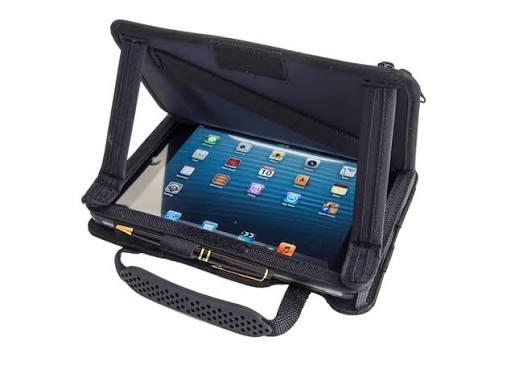
An ATEX Tablet case is designed to support the protection of mobile computing equipment used in demanding industrial environments. Facilities operating in oil and gas, chemical processing, mining, manufacturing, and energy production may require devices that withstand physical impacts, dust, moisture, and challenging working conditions. However, a protective case does not automatically make a standard tablet suitable for an explosive atmosphere. The complete device and enclosure configuration must meet the safety requirements applicable to its intended location. In the United States, organizations should evaluate hazardous-area classifications, relevant certification documentation, material properties, and environmental protection requirements before selecting industrial tablet equipment. Factors such as electrostatic discharge, temperature limits, device compatibility, and maintenance procedures also influence suitability. Understanding these considerations helps facility managers and industrial professionals assess protective enclosures more effectively. Proper selection supports equipment durability, reliable daily operations, and responsible mobile technology use in workplaces where hazardous substances may be present.
Introduction
An ATEX Tablet case is designed to support the protection and safe handling of tablet computers used in industrial environments where flammable gases, vapors, combustible dust, or other hazardous substances may be present. In industries such as oil and gas, chemical processing, manufacturing, mining, and energy production, electronic devices must be selected according to the risks associated with their operating locations. A suitable protective solution can help reduce physical damage to a tablet and support its use in demanding working conditions.
In the United States, industrial facilities follow safety requirements based on applicable regulations and hazardous-area classification systems. Although ATEX is a European framework, ATEX-related equipment and protective accessories may also be relevant to organizations working with international safety standards. Understanding the purpose, limitations, and selection criteria of an ATEX Tablet case helps industrial users make informed decisions about mobile technology in hazardous workplaces.
What Is an ATEX Tablet Case?
An ATEX Tablet case is a protective enclosure or accessory intended for use with tablet devices in environments where hazardous materials may create fire or explosion risks. However, a standard protective case does not automatically make an ordinary tablet safe for use in an explosive atmosphere.
The complete device, including its electrical components, battery, connectors, and accessories, must meet the requirements applicable to the intended hazardous location. Depending on the design, a case may provide mechanical protection, environmental resistance, or an enclosure for a specifically approved device.
Industrial users must distinguish between a case that protects against everyday damage and equipment that has been assessed or certified for hazardous-area operation.
Importance of Tablet Protection in Industrial Facilities
Industrial workers frequently use tablets to access digital work instructions, maintenance records, inspection forms, equipment manuals, and operational data. These activities may take place in locations where dust, moisture, vibration, and accidental impacts are common.
An appropriate ATEX Tablet case can help protect compatible equipment from physical wear and environmental exposure when its construction and specifications support those conditions.
Protection Against Physical Damage
Tablets may be exposed to accidental drops, impacts, and repeated handling during industrial tasks. A rugged case can help reduce damage to the outer housing and screen, depending on its materials and design.
Maintaining the physical condition of mobile devices can also reduce downtime caused by repairs or equipment replacement.
Resistance to Dust and Moisture
Some industrial environments contain airborne particles, water splashes, oils, or other contaminants. A case with suitable sealing and ingress-protection characteristics may help limit exposure.
However, dust and water resistance ratings must be verified for the complete device and enclosure assembly. A protective accessory alone does not guarantee a particular level of protection.
Support for Daily Operations
Protected tablets can assist employees with digital inspections, inventory tracking, equipment monitoring, and maintenance documentation. Reliable access to operational information may help reduce paperwork and improve the consistency of routine procedures.
Materials and Design Considerations
The construction of an ATEX Tablet case depends on the intended application and environmental conditions. Common considerations include impact-resistant polymers, reinforced corners, secure closures, and materials selected for chemical compatibility.
The enclosure should allow users to access necessary controls and interfaces without compromising the device's approved configuration. Screen visibility, touch sensitivity, grip, and carrying options may also influence usability.
In hazardous areas, material selection requires particular attention. Electrostatic charge can create an ignition risk in certain atmospheres. Therefore, the electrical and electrostatic properties of the enclosure must be appropriate for the intended application. A material that provides excellent impact resistance may not automatically be suitable for every explosive environment.
ATEX and US Hazardous-Area Requirements
ATEX refers to European Union requirements concerning equipment and protective systems intended for potentially explosive atmospheres. In the United States, hazardous locations are generally addressed through applicable National Electrical Code requirements, relevant product certification systems, and workplace safety regulations.
Depending on the facility, equipment may need to meet requirements associated with Class I, II, or III locations, divisions, zones, or other applicable classifications.
An ATEX Tablet case should therefore be evaluated according to the location where the device will operate. European ATEX certification should not be assumed to replace US requirements. Similarly, a rugged enclosure or an ATEX marking on one component does not establish that the entire tablet assembly is approved for hazardous-area use.
Facility safety personnel should verify the equipment documentation and applicable approvals before introducing a device into a classified location.
How to Select an ATEX Tablet Case
Selecting an appropriate case involves reviewing the device, operating environment, and applicable safety requirements.
Check Device Compatibility
The case should match the tablet's dimensions, ports, controls, and operating requirements. An incompatible enclosure may obstruct connectors, interfere with heat dissipation, or affect normal operation.
Review Certification Documentation
The intended device and enclosure configuration should have documentation supporting its use in the required hazardous location. Any restrictions involving accessories, batteries, charging, or maintenance should also be reviewed.
Assess Environmental Conditions
Temperature, humidity, dust, vibration, chemical exposure, and impact risks should be considered before choosing a protective solution. The case must be suitable for the conditions expected during actual use.
Consider Maintenance and Inspection
Industrial equipment requires routine inspection and maintenance. The enclosure should permit the checks required by the manufacturer's instructions and applicable site procedures without compromising safety.
Applications Across Industrial Sectors
An ATEX Tablet case may be considered for industrial tablet systems used in oil and gas operations, chemical facilities, pharmaceutical manufacturing, mining, and energy production. Workers in these sectors may rely on mobile devices to review procedures, document inspections, and coordinate maintenance.
The appropriate solution depends on the specific task and the hazardous-area classification. For example, a tablet used in an ordinary office within an industrial facility may have different requirements from one operated directly in an area containing potentially explosive gases or combustible dust.
Conclusion
An ATEX Tablet case can play a role in protecting mobile computing equipment used in demanding industrial environments. Its value depends on physical durability, environmental compatibility, device integration, and compliance with relevant safety requirements. In the United States, organizations must distinguish between European ATEX requirements and the standards applicable to their own facilities. Careful evaluation of certification, hazardous-area classification, materials, and operating conditions helps ensure that tablet equipment is selected and used responsibly.

 English
 Arabic
 French
 Spanish
 Portuguese
 Deutsch
 Dutch
 Italiano
 Russian
 Romaian
 Portuguese (Brazil)
 Greek