
Why Is My Car Losing Engine Oil Without a Leak
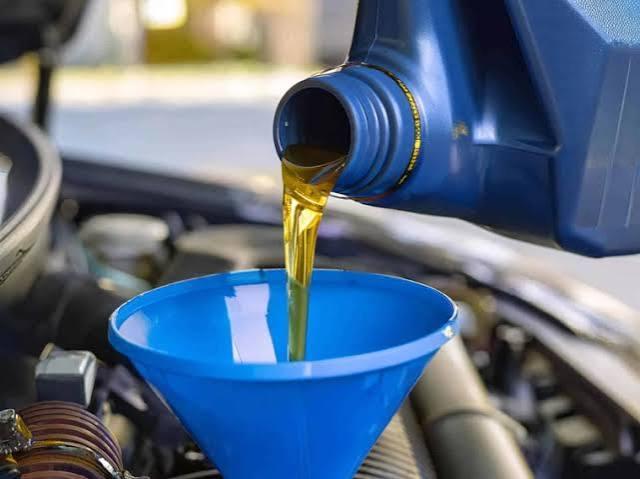
Engine oil plays an important role in keeping your vehicle running smoothly. It lubricates moving engine components, reduces friction, controls heat, and helps prevent premature engine wear. However, some drivers notice that their car's engine oil level keeps dropping even though there are no visible oil spots under the vehicle.
If you are asking, "Why is my car losing engine oil without a leak?" the problem may be related to internal oil consumption, worn engine components, or other mechanical issues. In some cases, the engine burns oil during normal operation, making it difficult to notice the problem.
Understanding why your vehicle is losing oil can help you identify the cause early and avoid expensive engine repairs. Let's explore the most common reasons for oil loss without visible leaks and what you can do about them.
1. Your Engine Is Burning Oil
One of the most common reasons a vehicle loses engine oil without an external leak is oil burning inside the engine.
During normal operation, engine oil stays in designated passages and lubricates internal components. However, when certain engine parts become worn or damaged, oil can enter the combustion chamber. The high temperature inside the engine burns this oil along with the air-fuel mixture.
You may notice blue or bluish-gray smoke coming from the exhaust, especially when accelerating or starting the engine. However, some vehicles burn small amounts of oil without producing obvious smoke.
If your engine is consuming oil regularly, it is important to have it inspected before the oil level becomes dangerously low.
2. Worn Piston Rings
Piston rings help create a seal between the pistons and cylinder walls. They prevent excessive engine oil from entering the combustion chamber while maintaining proper compression.
Over time, piston rings can wear out, become damaged, or lose their ability to seal properly. When this happens, engine oil may pass into the combustion chamber and burn during operation.
Common warning signs include:
-
Blue smoke from the exhaust
-
Increased engine oil consumption
-
Reduced engine performance
-
Poor fuel efficiency
-
Possible loss of engine compression
A mechanic may perform a compression test or leak-down test to determine whether worn piston rings are responsible for the oil loss.
3. Damaged Valve Seals
Valve seals prevent engine oil from entering the combustion chamber through the intake and exhaust valves. When these seals become old, cracked, or damaged, oil can leak into areas where it should not be.
This oil may burn during combustion without leaving any visible oil on the ground.
One common symptom of damaged valve seals is blue smoke when starting the engine after it has been parked for several hours. You might also notice smoke after idling for a while or accelerating.
Replacing worn valve seals can help reduce oil consumption and protect engine performance. A professional inspection is necessary to confirm the problem.
4. Using the Wrong Engine Oil
Not all engine oils are suitable for every vehicle. Manufacturers recommend specific oil grades and viscosity ratings based on engine design and operating conditions.
Using oil with the wrong viscosity can sometimes contribute to increased oil consumption. For example, oil that is too thin for an engine may pass through worn seals or internal clearances more easily.
Using the wrong oil does not automatically mean your engine will be damaged, but repeatedly using an unsuitable product can create lubrication problems.
Always check your owner's manual for the recommended oil type and viscosity. If you are unsure which oil your vehicle needs, ask a qualified technician.
5. A Faulty PCV Valve
The Positive Crankcase Ventilation (PCV) system helps control pressure inside the engine crankcase. It directs gases produced during combustion back into the intake system so they can be burned safely.
If the PCV valve becomes clogged or stops working correctly, pressure may build up inside the engine. This can contribute to oil consumption, oil leaks, or oil entering the intake system.
Possible signs of a faulty PCV valve include:
-
Unusual engine oil consumption
-
Rough idling
-
Whistling or unusual engine noises
-
Oil residue inside the intake system
-
Increased engine pressure
A mechanic can inspect the PCV valve and related hoses to determine whether the system is operating properly. Replacing a faulty valve is often simpler than repairing internal engine damage.
6. Turbocharger Problems
If your vehicle has a turbocharged engine, the turbocharger may be another possible reason for unexplained oil loss.
Turbochargers use engine oil to lubricate and cool their internal moving components. Worn turbocharger seals or damaged internal parts can allow oil to enter the intake or exhaust system.
When this happens, the engine may burn oil without producing an obvious external leak.
Common warning signs include:
-
Blue or gray exhaust smoke
-
Reduced engine power
-
Unusual whining noises
-
Increased oil consumption
-
Oil residue in turbocharger piping
Not every turbocharged vehicle that loses oil has a faulty turbocharger. Proper testing is needed before replacing expensive components.
7. Oil Evaporation at High Temperatures
Engine oil operates under high temperatures, especially during long drives, heavy traffic, and demanding driving conditions.
A small amount of oil can be lost through evaporation over time. Modern engine oils contain additives designed to reduce evaporation, but the amount of oil consumed can vary depending on the engine's condition and design.
Older engines may experience greater oil consumption because of worn internal components.
If you regularly need to add oil between scheduled services, do not assume evaporation is the only cause. Have the engine checked to rule out mechanical problems.
8. How to Tell If Your Car Is Burning Oil
When your car loses engine oil without visible leaks, look for other warning signs that may help identify the problem.
Blue or Gray Exhaust Smoke: Blue smoke may indicate that engine oil is entering the combustion chamber and burning.
Frequent Low Oil Levels: If you repeatedly add oil between oil changes, your engine may be consuming more oil than expected.
Burning Oil Smell: A noticeable burning smell can indicate that oil is reaching hot engine components or entering the exhaust system.
Engine Noise: Low oil levels can reduce lubrication, causing unusual ticking, knocking, or other engine noises.
Oil Warning Light: An oil pressure warning light may indicate dangerously low oil pressure. Stop safely and switch off the engine when this warning appears.
These symptoms do not always identify the exact cause, but they indicate that your vehicle needs attention.
9. How to Check Your Engine Oil Level
Checking your engine oil regularly is one of the easiest ways to monitor oil consumption.
Follow these steps:
-
Park your vehicle on a level surface.
-
Turn off the engine and allow the oil to settle. Follow your owner's manual for the recommended waiting time.
-
Locate the engine oil dipstick.
-
Pull out the dipstick and wipe it clean with a cloth.
-
Insert it fully and remove it again.
-
Check whether the oil level falls between the minimum and maximum marks.
-
Add the correct oil if the level is low, following the manufacturer's instructions.
Some newer vehicles use electronic oil-level monitoring instead of a traditional dipstick. Check your owner's manual for the correct procedure.
Never overfill the engine with oil. Too much oil can also cause engine problems.
10. Why You Should Not Ignore Engine Oil Loss
Driving with insufficient engine oil can cause serious mechanical damage. Oil creates a protective layer between moving engine components, reducing friction and controlling heat.
When the oil level becomes too low, important engine parts may not receive enough lubrication. This can increase wear and, in severe cases, cause engine overheating or complete engine failure.
Ignoring oil consumption may also turn a relatively manageable repair into a costly engine replacement.
If your vehicle frequently loses oil, arrange an inspection instead of simply adding more oil every time the level drops.
11. How Can You Prevent Excessive Engine Oil Consumption?
Although some oil consumption is normal depending on the vehicle and engine condition, proper maintenance can help prevent unnecessary oil loss.
Here are some useful maintenance practices:
-
Follow the manufacturer's recommended oil change schedule.
-
Use the correct engine oil grade and viscosity.
-
Check the oil level regularly.
-
Replace the oil filter when required.
-
Inspect the PCV system during maintenance.
-
Address unusual exhaust smoke or engine noises quickly.
-
Have worn engine components inspected by a qualified technician.
Regular maintenance helps identify developing problems before they become major repairs.
12. When Should You Visit a Professional Mechanic?
If your car continues losing engine oil despite having no visible leak, it is time to get professional help. A technician can inspect the engine, check for internal oil consumption, examine the PCV system, and test components such as piston rings and valve seals.
If you are in Houston and notice frequent oil loss, unusual exhaust smoke, or low oil levels, consider professional oil change service in Houston to help keep your engine properly maintained. A qualified technician can also help determine whether the problem requires repairs beyond a routine oil change.
If the oil pressure warning light comes on, or you hear loud knocking from the engine, stop driving as soon as it is safe and seek professional assistance.
Conclusion
Losing engine oil without a visible leak can be a sign of several underlying problems, including worn piston rings, damaged valve seals, a faulty PCV valve, incorrect engine oil, or turbocharger issues.
The most important step is to monitor your engine oil level and pay attention to warning signs such as blue exhaust smoke, burning smells, and unusual engine noises.
Regular maintenance and timely inspections can help protect your engine, improve reliability, and prevent expensive repairs. If your vehicle repeatedly loses oil, identify the cause rather than relying only on frequent oil top-ups.
Taking action early can help keep your car running smoothly and extend the life of its engine.

 English
 Arabic
 French
 Spanish
 Portuguese
 Deutsch
 Turkish
 Dutch
 Italiano
 Romaian
 Portuguese (Brazil)
 Greek