
Red Bali Kratom Uncovered Uses, Potency & Dosage Explained.
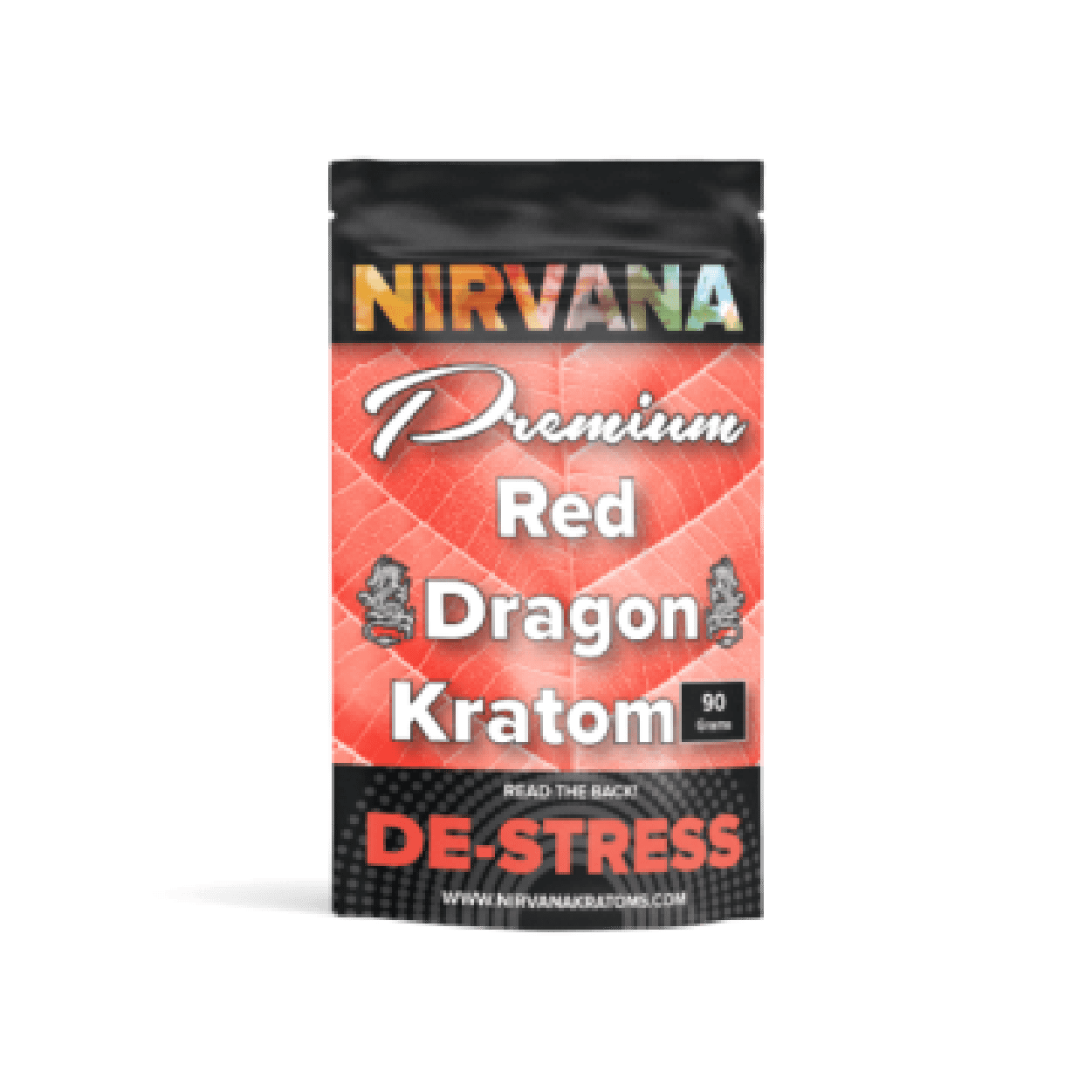
Red Bali Kratom occupies a prominent place in botanical discussions, often accompanied by descriptions of tranquility, substantial potency, and evening relaxation. Yet these descriptions require scrutiny: commercial reputation does not establish clinical effectiveness. Readers exploring Red Bali Kratom Capsules also encounter an important distinction between convenient packaging and predictable pharmacological exposure. Understanding this botanical involves examining its commercial identity, reported applications, alkaloid composition, and unresolved dosage questions. This article separates consumer narratives from scientific findings while explaining why an “ideal dosage” cannot responsibly be reduced to a universal number.
What Is Red Bali Kratom?
Kratom originates from Mitragyna speciosa, a tropical tree indigenous to Southeast Asia. Its leaves contain biologically active compounds called alkaloids. Traditionally, people have chewed the foliage or prepared infusions for purposes that include counteracting fatigue. Contemporary products encompass powdered leaf, encapsulated preparations, and concentrated extracts. These formats should not be assumed to deliver equivalent exposure.
The commercial designation deserves particular attention. A product name may appear precise while providing limited information about its actual composition. For a reader evaluating such a product, the relevant questions concern what the preparation contains, how it was manufactured, and whether its accompanying documentation supports the label.
Does the Strain Name Predict Its Effects?
Evidence does not justify treating color classifications as reliable clinical categories. One study examining commercial red, green, and white varieties found that reported experiences differed despite an absence of detectable alkaloid differences across the tested strains. Those experiences resembled marketing descriptions, suggesting that expectations may influence perceived effects.
This finding does not establish that every product is chemically identical. It illustrates why a memorable strain name cannot substitute for chemical analysis or controlled investigation.
Reported Uses of Red Bali Kratom
Discussions of potential applications frequently blur three different concepts: traditional practices, personal experiences, and demonstrated medical benefits. Keeping these distinctions visible produces a more accurate account.
Relaxation and Perceived Comfort
Some consumers describe relaxation, diminished discomfort, or a sedative sensation. Kratom compounds interact with opioid receptors, providing a pharmacological basis for certain reported effects. However, a plausible mechanism does not establish that a particular commercial preparation effectively treats chronic pain, insomnia, or anxiety.
For example, feeling sleepy after consuming a substance does not demonstrate improved sleep quality. Similarly, a temporary change in perceived discomfort does not explain its underlying cause. An informative discussion should preserve these distinctions rather than translate every reported sensation into a therapeutic promise.
Self-Management of Withdrawal Symptoms
Some people use kratom while attempting to manage opioid withdrawal. This reported practice should not be presented as an established treatment pathway. The FDA has not approved kratom for medical treatment and warns against using it for that purpose.
Someone experiencing withdrawal needs an assessment that considers their substance history, symptoms, and available treatments. Replacing that assessment with a product recommendation can leave significant needs unaddressed.
Understanding Potency Beyond Marketing Claims
Potency describes biological activity at a given quantity. It differs from purity, product quality, and clinical usefulness. A preparation can be highly potent without being appropriate for a particular person.
Alkaloid Composition and Concentration
Mitragynine and 7-hydroxymitragynine, frequently abbreviated as 7-OH, are central to discussions of kratom pharmacology. The FDA identifies 7-OH as a minor constituent of natural leaves with substantially greater opioid-receptor potency than mitragynine. Consequently, the total weight of a preparation does not fully describe its pharmacological strength.
Concentrated or intentionally enhanced products require particular scrutiny. FDA communications distinguish products enriched in certain opioid compounds from preparations with compositions more consistent with botanical kratom. Describing both simply as “kratom” can conceal consequential differences.
Why Stronger Does Not Mean More Suitable
A potency claim answers only a narrow question. It does not establish an acceptable risk profile, demonstrate effectiveness for a symptom, or account for interactions with medication. Evaluating a product therefore requires more than comparing claims such as “premium,” “maximum strength,” or “advanced.”
A useful comparison asks what was measured, which units were used, and whether the result applies to the actual batch being considered.
Red Bali Kratom Capsules: Format and Label Interpretation
Encapsulation changes how a preparation is packaged. It does not independently verify its composition, eliminate contamination, or establish therapeutic effectiveness.
Capsule Weight Versus Active Content
When examining Red Bali Kratom Capsules, distinguish the stated amount of material from the amount of individual alkaloids. Milligrams of leaf powder and milligrams of concentrated alkaloids describe different measurements. Treating those figures as interchangeable creates a misleading comparison.
The same principle applies to serving information. A manufacturer’s serving size describes its labeling instructions; it does not automatically represent a clinically validated dose. Consumers should also establish whether the contents are ordinary leaf powder, an extract, or a combination.
Documentation Worth Examining
A meaningful laboratory report should identify the tested sample, display a corresponding batch number, and specify the analyses performed. A generic certificate offers little reassurance if it cannot be connected to the product.
Testing also has boundaries. A report addressing selected contaminants cannot answer every question about long-term effects, interactions, or individual susceptibility. Documentation supports scrutiny; it should not be interpreted as a blanket guarantee.
Is There an Ideal Dosage?
No universally established safe and effective dosage exists for this commercial variety. Research on selected preparations cannot automatically establish an appropriate quantity for every product or consumer. Recent human trials have investigated specific dried-leaf formulations under controlled conditions, but their findings require interpretation within those conditions.
Why Universal Dosage Charts Are Inadequate
Online charts often organize quantities into beginner, intermediate, and advanced categories. These labels can create an impression of precision without accounting for differences in composition, preparation, health status, medication use, or previous exposure.
For Red Bali Kratom Capsules, capsule count alone is particularly uninformative. Without knowing the contents, concentration, and formulation, counting units cannot establish equivalent exposure between products.
A more useful dosage discussion acknowledges uncertainty and examines the actual preparation. A clinician or pharmacist can review medication interactions and relevant health concerns, although that review does not turn an unapproved product into a validated treatment.
Adverse Effects and Dependence
Reported adverse effects include nausea, constipation, dizziness, and drowsiness. More serious reports involve seizures, liver problems, and other complications. Regular consumption may also produce dependence and withdrawal. Harmful bacteria and heavy metals have been identified in some products.
Recognizing When Consumption Becomes Problematic
Warning signs include escalating consumption, cravings, continuing despite adverse consequences, and difficulty stopping. These patterns deserve attention even when the product is described as botanical or natural. The FDA includes such behaviors in its discussion of kratom-related substance use disorder.
The distinction between botanical origin and health risk matters throughout this discussion. Origin describes where a substance comes from; it does not establish how an individual will respond to it.
An Evidence-Based Perspective
Red Bali Kratom deserves an assessment grounded in composition, research quality, and individual health considerations. Its commercial identity cannot establish predictable effects, and appealing descriptions cannot supply a validated dosage. Readers gain a more useful understanding by distinguishing reported experiences from proven applications, examining product documentation critically, and discussing symptom management with qualified healthcare professionals. This approach preserves curiosity while keeping scientific uncertainty visible.

 English
 Arabic
 French
 Spanish
 Portuguese
 Deutsch
 Dutch
 Italiano
 Russian
 Romaian
 Portuguese (Brazil)
 Greek