
Common LiftMaster Garage Door Problems and How to Address Them
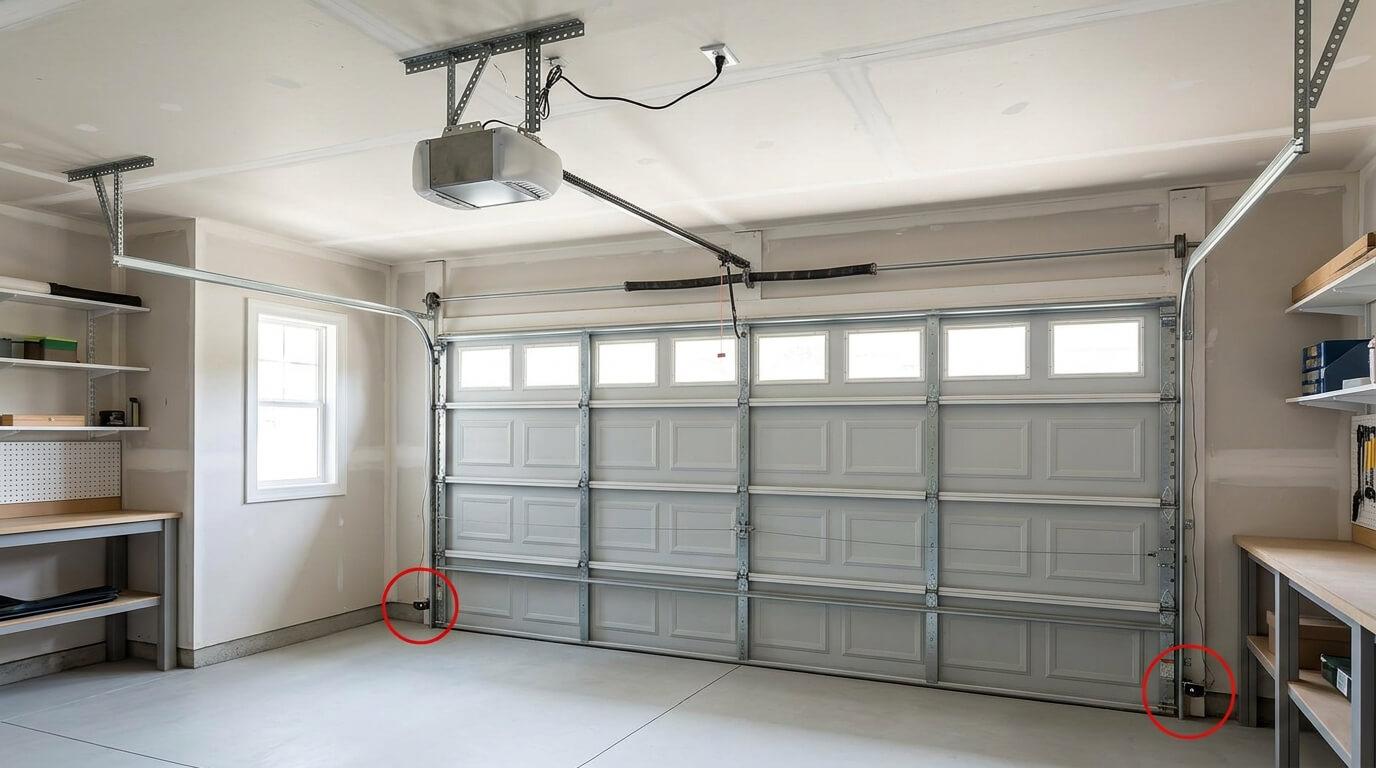
LiftMaster openers are among the most widely installed in homes and commercial buildings, and they have a reputation for durability. Even so, any opener that runs several times a day will eventually develop quirks. When that happens, most owners want the same thing: a clear answer on what's wrong, whether it's a quick fix, and when LiftMaster garage door repair is worth handing to a professional.
This guide covers the most common LiftMaster problems seen in Pearland and across the Greater Houston area, what usually causes them, and the steps you can reasonably take before making a service call. It's written for homeowners as well as landlords and property managers who oversee several doors and need a dependable way to sort minor glitches from real repairs.
Why LiftMaster Openers Run Into Trouble
LiftMaster makes several opener styles, including chain-drive, belt-drive, and wall-mounted (jackshaft) models, and many newer units include smart features and battery backup. The details differ, but most problems fall into a few familiar categories:
-
Wear from daily cycles, especially on drive gears, belts, and chains
-
Electronics aging, including logic boards and receivers
-
Sensor and wiring issues, often from dust, vibration, or small bumps
-
Heat and humidity, which are constants in the Houston area and can affect lubricants, connections, and metal hardware
-
Door-side problems, such as worn springs or rollers, that make the opener look like the culprit
That last point matters. Roughly speaking, the opener moves the door, but the springs lift it. A failing spring can make a healthy opener seem broken, so it pays to check both sides of the system.
Common LiftMaster Problems and What to Do
1. The Door Won't Close or Reverses Right Away
This is probably the most common complaint, and it's usually related to the safety sensors rather than the motor.
What to check:
-
Look at the two sensors near the floor on either side of the door. Both indicator lights should be steady, not flickering or off.
-
Wipe the lenses with a soft cloth and clear away cobwebs or debris.
-
Make sure neither sensor has been bumped out of alignment.
-
Confirm nothing is sitting in the beam path.
If the lights stay off or keep blinking after cleaning and realigning, a wiring fault or failed sensor may be involved.
2. The Remote Works Inconsistently or Not at All
Remotes and keypads are simple, but they're also the most frequently replaced part.
What to check:
-
Replace the remote battery first
-
Try the wall control to confirm the opener itself responds
-
Reprogram the remote using the learn button on the motor unit, following your model's instructions
-
Check for new sources of interference, such as new LED bulbs near the motor or other wireless devices in the garage
If the wall button works but remotes don't, the issue is likely the remote or the receiver. If nothing works, look at power and the logic board.
3. The Opener Hums or Clicks But the Door Doesn't Move
When the motor sounds like it's working but nothing happens, the cause is often mechanical:
-
A stripped drive gear, a known wear point on some chain and belt models
-
A trolley that has disconnected from the door
-
A broken spring leaving the door too heavy to lift
A quick test: with the door fully closed, pull the red emergency release cord and try lifting the door by hand. If it's extremely heavy or won't stay halfway up, suspect a spring, not the opener.
4. Grinding, Rattling, or Loud Operation
|
Sound |
Likely Cause |
|
Grinding |
Worn gear, rollers, or track debris |
|
Rattling |
Loose mounting hardware or bracket |
|
Popping or bang |
Spring issue |
|
Squeaking |
Dry rollers or hinges |
|
Chain slap |
Loose or sagging chain (chain-drive models) |
Tightening hardware and lubricating rollers and hinges with a silicone-based lubricant resolves many noise complaints. Grinding from inside the motor housing generally means a gear problem that needs inspection.
5. The Opener Blinks or Beeps
Many LiftMaster units use a diagnostic LED on the motor, and some wall controls show or beep error indications. The pattern of flashes usually points to a specific fault, such as a sensor wiring problem or an obstruction detection issue. Your model's manual or the label on the motor unit explains what each pattern means. Noting the pattern before calling for service speeds up diagnosis.
6. Smart Features Disconnect
On models with app connectivity, the door may work perfectly with a remote while the app shows it offline. Common causes include router changes, weak Wi-Fi in the garage, or a power interruption. Restarting the router, confirming signal strength near the opener, and re-pairing the device usually resolves it. If the physical operation is the problem, the app isn't the cause.
7. Battery Backup Doesn't Work During Outages
Backup batteries wear out quietly. Many owners only discover a dead battery during a Houston-area storm or outage. If your model has this feature, test it by briefly switching off power to the opener and confirming the door still cycles, then replace the battery if it doesn't.
8. Door Stops Short or Won't Fully Open
Travel and force limits are set electronically (or with adjustment controls on some models). If the door stops early, the limit settings may have drifted, or something may be physically restricting movement. Check the track for obstructions first. If settings need adjustment, follow your model's guidance carefully, since incorrect settings can compromise the safety reversal feature.
Fixes You Can Reasonably Try Yourself
-
Replacing remote and keypad batteries
-
Cleaning and realigning safety sensors
-
Checking the outlet, breaker, and power connection
-
Lubricating rollers, hinges, and (where applicable) the chain or screw drive
-
Tightening visible loose hardware
-
Re-pairing remotes and smart-device connections
-
Testing the auto-reverse feature with a solid object in the door's path
When to Stop and Call a Professional
Some issues involve stored mechanical energy or electrical components and are better left to a trained technician:
-
Anything involving springs or lift cables, which are under high tension
-
A door that is off its track or visibly crooked
-
Motor, gear, or logic board replacement
-
Wiring problems or repeated error codes that persist after basic checks
-
Auto-reverse that fails the obstruction test
-
Problems that keep returning after you've fixed them
This is where LiftMaster-specific knowledge helps. Parts, programming steps, and diagnostic codes differ by model and generation, so a technician familiar with these openers can often pinpoint a fault faster than someone working from general garage door knowledge. For anyone weighing options, professional LiftMaster garage door repair is generally worth it when the issue involves electronics, drive components, or safety systems rather than a simple adjustment.
Repair or Replace? A Practical Way to Decide
Not every aging opener needs replacing, but certain patterns suggest it's time to consider it:
-
The opener is many years old and has needed repeated repairs
-
Replacement parts for an older model are hard to find
-
It lacks modern safety and security features such as rolling code and reliable obstruction detection
-
Noise or vibration is bothering anyone who lives next to the garage
-
You want features like battery backup or smart connectivity
For landlords and property managers, a recurring pattern across several units is also a useful signal. If the same opener model keeps producing the same failure, a planned replacement can be more predictable than repeated emergency calls.
Preventive Maintenance That Pays Off
-
Monthly: Test the auto-reverse feature, check sensor lights, and listen for new noises
-
Every three to four months: Lubricate moving parts and tighten hardware
-
Twice a year: Inspect weatherstripping and check remote and backup batteries
-
Annually: Schedule a professional inspection, especially for springs, cables, and opener settings
-
After storms: Check sensors, wiring, and power connections for moisture or disturbance
Houston-area humidity makes lubrication and rust checks especially worthwhile, since metal hardware tends to show wear sooner here than in drier regions.
Choosing a Provider for LiftMaster Work
When you do need help, look for a provider who can explain the diagnosis before recommending a repair. Useful signs include:
-
Licensing and insurance confirmed directly
-
Written, itemized estimates
-
Clear warranty terms on parts and labor
-
Hands-on experience with LiftMaster openers specifically
-
Availability for prompt service when a stuck door affects a home or a business
A company such as PowerLift Garage Doors, which handles LiftMaster garage door services across Pearland and the surrounding Houston area, illustrates the kind of local, brand-familiar support worth looking for, particularly if you manage multiple properties and need consistent service.
Frequently Asked Questions
Why does my LiftMaster opener work with the wall button but not the remote? That pattern usually points to the remote's battery, its programming, or the receiver rather than the motor. Replacing the battery and reprogramming the remote resolves most cases.
What do the blinking lights on my LiftMaster motor mean? The flash pattern generally corresponds to a specific fault, often a safety sensor or wiring issue. Your model's manual explains the codes, and noting the pattern helps a technician diagnose it quickly.
Can I fix a broken garage door spring myself if I have a LiftMaster opener? It isn't recommended. Springs hold significant tension, and the opener isn't designed to lift the door without them. Spring work should be handled by a trained technician.
How long do LiftMaster openers typically last? Lifespan depends on the model, usage, and maintenance. Many openers serve for roughly a decade or longer with regular care, but heavy daily use or skipped maintenance can shorten that.
Why does my smart garage door app show the opener offline? This is usually a Wi-Fi issue, such as a router change, weak signal in the garage, or a power interruption. Restarting the router and re-pairing the device often fixes it.
Is it worth repairing an older LiftMaster opener? If the issue is minor and the unit is otherwise reliable, repair usually makes sense. If it needs frequent service or lacks modern safety features, replacement can be more practical.
Final Thoughts
Most LiftMaster problems come down to a short list of causes: dirty or misaligned sensors, remote or battery issues, worn drive components, and door-side problems that mimic opener failure. Simple checks resolve many of them in minutes, while springs, electronics, and safety systems deserve a professional's attention. A little regular maintenance, plus a clear sense of where DIY ends, keeps an opener reliable and helps you avoid being caught off guard when it matters most.

 English
 Arabic
 Spanish
 Portuguese
 Deutsch
 Turkish
 Dutch
 Italiano
 Russian
 Romaian
 Portuguese (Brazil)
 Greek