
Gillies Dissecting Forceps: Design, Grip, and Why Quality Matters
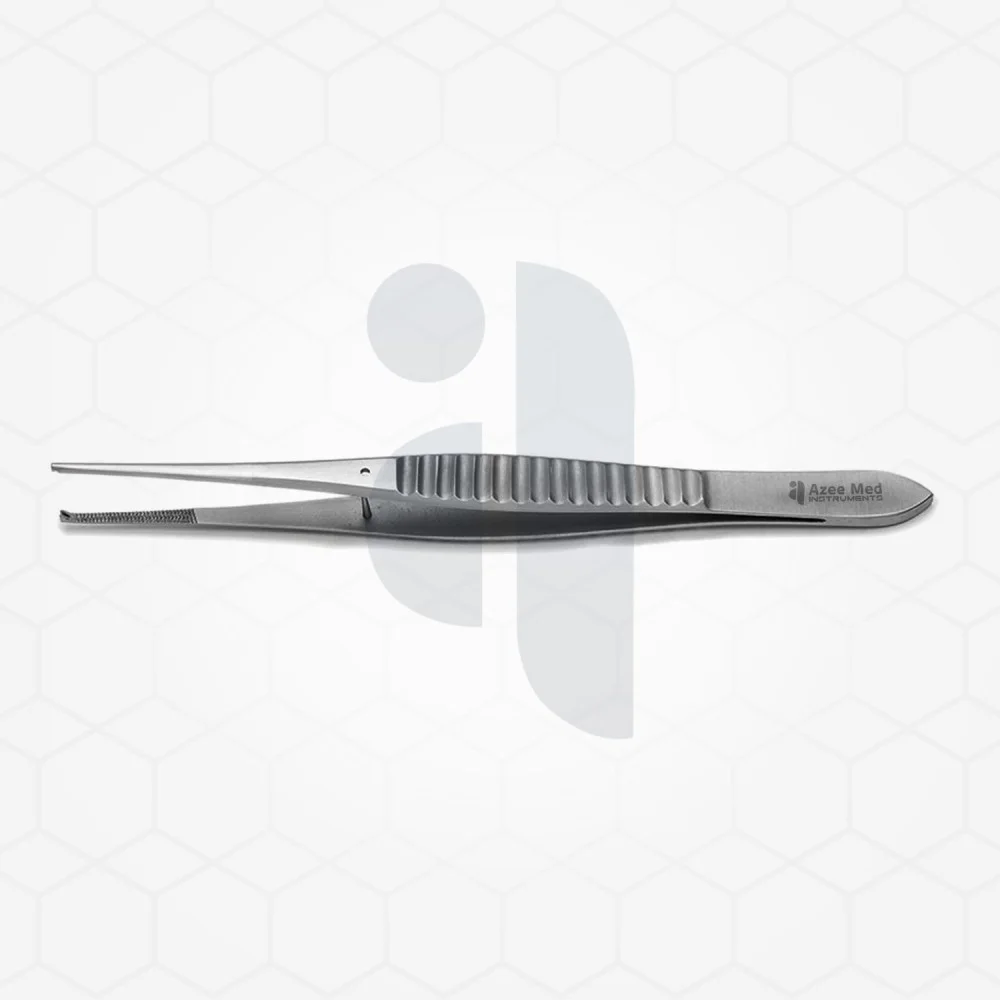
Some surgical instruments become classics because they simply work.You might manage procurement, or you might just want to understand the tools on your tray. Either way, this guide explains what makes these forceps special.The Gillies dissecting forceps is one of them. Surgeons, operating room staff, and hospital buyers know it as a staple in plastic and reconstructive instrument sets.
The Surgeon Behind the Design
The instrument honors Sir Harold Gillies, a New Zealand-born surgeon widely regarded as a father of modern plastic surgery. During and after World War I, he pioneered ways to restore the faces of injured soldiers. That work demanded tools that could handle delicate skin with care, and the forceps bearing his name grew out of that need. Today, every pair of Gillies dissecting forceps carries a piece of that legacy.
What Makes These Forceps Different
At first glance, they look like standard thumb forceps. Look closer, though, and you'll notice thoughtful details. Most versions measure around 15 centimeters, with slender jaws and fine tips. Many have a tissue-holding tooth pattern, often 1x2 teeth, while others have serrated tips instead. The handles usually include ridged grip areas that give your fingers a secure hold. Patterns and lengths vary, so check the specifications before you order.
Grip, Handling, and Tissue Control
Why do surgeons care so much about how forceps feel? Plastic surgery often involves thin, delicate tissue, so gentle and controlled handling matters. Well-designed Gillies dissecting forceps balance a firm grasp with light pressure. This helps clinicians hold tissue securely without crushing it. Comfortable handles also reduce hand fatigue during long cases. Of course, only trained professionals should use surgical instruments, and they should follow their facility's protocols.
Their Role in Surgical Instrument Sets
You'll often find these forceps in plastic surgery, minor surgery, and wound closure sets. Their versatility makes them popular with teams who need a dependable everyday instrument. When buyers compare Gillies dissecting forceps from different suppliers, they often look at tip alignment, how the teeth mesh, spring tension, and finish. These small factors shape how well the instrument performs over time.
Why Manufacturing Standards Matter
A pair of forceps may look simple, but precision manufacturing makes all the difference. Misaligned teeth can tear tissue. Weak spring tension can reduce control. Poor-quality steel may corrode after repeated sterilization. Quality alexander elevator are made from surgical-grade stainless steel and carefully inspected so the tips close evenly and hold up through years of use. Have you checked how your current instruments line up under magnification?
AzeeMed's Commitment to Excellence
AzeeMed focuses on making surgical instruments of the highest quality for the medical community around the globe. With over two decades of experience, AzeeMed furnishes an array of instruments for plastic, dental, ophthalmic, neuro and spine, and orthopedic surgeries. Every instrument reflects careful craftsmanship and consistent inspection. That dedication matters when you choose Gillies dissecting forceps, because plastic surgery tools must perform reliably every time.
Conclusion
Great instruments combine smart design with careful manufacturing. When you understand the history, features, and handling qualities of the Gillies dissecting forceps, you can make better purchasing decisions. Review your instrument sets and inspect the tips and grips closely. Then partner with a manufacturer like AzeeMed that brings decades of expertise to every piece.

 English
 Arabic
 French
 Spanish
 Portuguese
 Deutsch
 Turkish
 Dutch
 Russian
 Romaian
 Portuguese (Brazil)
 Greek