
Common Projects How Footwear Influences Personal Style
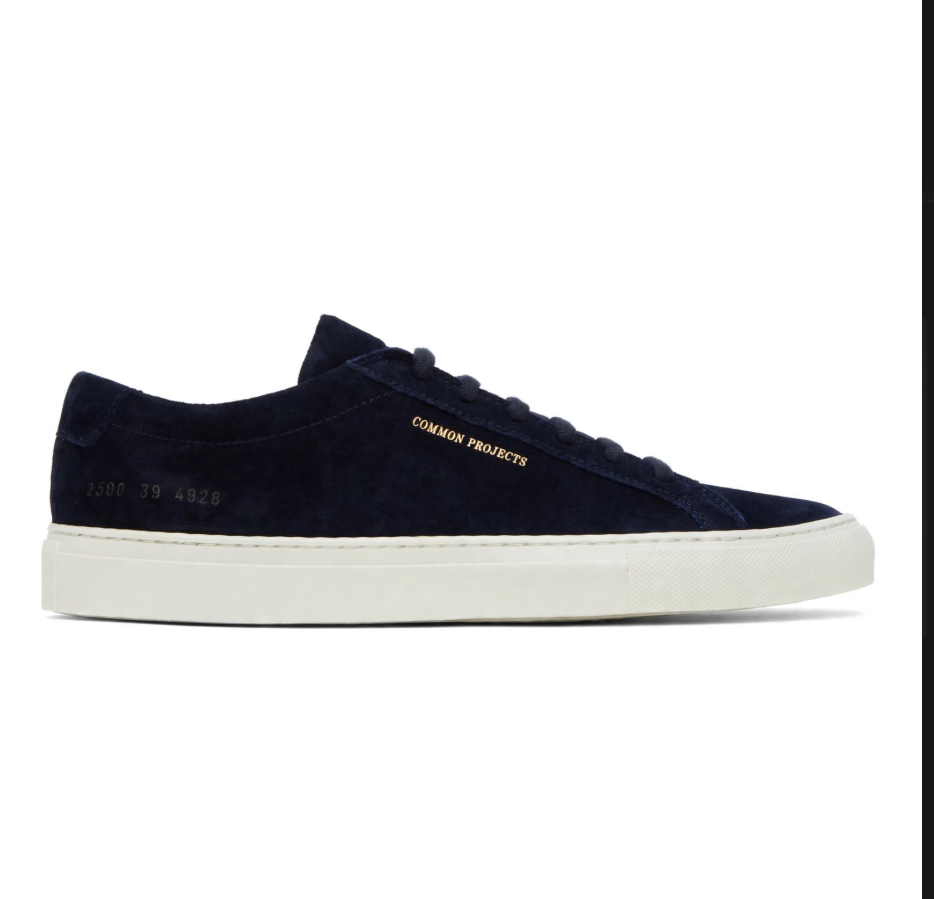
The shoes a person wears can say a lot about their taste, lifestyle, and approach to fashion. A simple pair of trainers can make an outfit feel relaxed, while leather shoes can give the same clothing a smarter appearance. Footwear plays a part in how people present themselves, even when the rest of their outfit consists of familiar wardrobe staples. In the UK, where changing weather and different social settings influence daily clothing choices, finding the right shoes can make getting dressed easier. Common Projects offers an example of how clean designs and understated details can shape personal style without demanding too much attention.
How Shoes Shape First Impressions
Footwear often attracts attention because it completes an outfit from the ground up. People may notice the colour, condition, shape, or overall style of someone's shoes before they pay attention to smaller clothing details. A carefully chosen pair can make everyday clothing appear more considered.
The Effect of Different Shoe Styles
Trainers bring a casual feel to jeans, chinos, and relaxed trousers. Leather loafers create a smarter impression, while boots can add weight and character to an outfit. Each option communicates a slightly different mood.
White leather trainers offer a useful example. Their clean appearance works with many clothing styles, from plain T-shirts and denim to tailored trousers and wool coats. The result depends on the cut, colour, and texture of the other pieces. Shoes do not define someone's personality, but they help express the image that person wants to present.
Personal Style Beyond Trends
Fashion trends change from season to season, but personal style often develops through repeated choices. Someone who prefers neutral clothing may reach for simple trainers, while a person who enjoys bold colours might choose shoes with brighter details.
Choosing footwear that feels natural to wear can help create a consistent wardrobe. Rather than buying every new style, people can focus on shapes and colours that suit their daily lives.
Why Minimalist Footwear Has Lasting Appeal
Minimalist footwear relies on simple shapes, restrained colours, and limited decoration. This approach gives shoes room to work with different outfits instead of making them the main focus. It can be useful for people who prefer a wardrobe built around pieces they can wear in several ways.
Clean Designs and Simple Clothing
Common Projects men's slip-on shoes UK is associated with understated leather trainers, including designs with minimal branding and a clean silhouette. This style can suit people who appreciate subtle details rather than large logos or bold graphics.
A plain pair of leather trainers can sit comfortably alongside a white Oxford shirt, dark denim, or a relaxed knit. Each item contributes to the outfit without competing for attention. This makes minimalist footwear a practical choice for people who want their clothes to feel coordinated without looking overly planned.
The Role of Colour
Colour affects how easily shoes work with existing clothing. White trainers offer contrast against dark trousers, while black footwear can create a more restrained appearance. Beige, grey, and brown tones often work well with earthy colours and softer fabrics.
For a UK wardrobe, neutral footwear can be useful across several seasons. A pair of white trainers may work with lightweight cotton in summer and with a wool coat during cooler months. Keeping the colour palette simple also makes it easier to repeat favourite combinations without creating the same overall look every time.
Matching Footwear With Different Outfits
The best footwear choices depend on the occasion, the weather, and the shape of the clothing. A pair that looks right with jeans may feel out of place with formal tailoring. Paying attention to proportion and material helps create a more balanced appearance.
Casual Everyday Clothing
For relaxed days, trainers work well with straight-leg jeans, cotton trousers, sweatshirts, and knitted jumpers. Slimmer shoes can suit narrow trousers, while fuller silhouettes often pair better with trainers that have a little more visual weight.
Common Projects-style leather trainers can bring a polished finish to casual clothing. For example, dark denim, a grey crew-neck jumper, and white leather trainers create a simple outfit that suits a coffee shop visit, a walk around town, or an informal lunch.
Smart Casual Dressing
Smart casual clothing leaves room for personal choice. Chinos, unstructured blazers, button-down shirts, and fine-knit jumpers can all work with understated trainers when the setting allows them.
The condition of the shoes matters here. Clean leather and a well-maintained sole can help the outfit look neat. For a dinner or a relaxed office setting, dark trousers, a light shirt, and minimal trainers may provide a good balance between comfort and a smarter appearance.
Dressing for British Weather
Rain, damp pavements, and colder temperatures affect footwear choices across the UK. Leather trainers may suit dry days, but they need suitable care when exposed to moisture. Waterproof boots or shoes with better wet-weather protection can be more practical during heavy rain.
Building a wardrobe around a few different footwear options allows people to respond to the weather without losing their preferred style. The aim is to choose shoes that suit both the conditions and the clothing.
Materials, Comfort, and Everyday Wear
Appearance matters, but comfort and construction also influence how footwear fits into daily life. Shoes that look good yet cause discomfort are unlikely to become regular favourites. A sensible purchase should consider the shape of the foot, the intended use, and the material.
Choosing the Right Material
Leather often develops character with wear and can be cleaned and conditioned to maintain its appearance. Suede offers a softer texture, though it usually needs more careful protection against rain and stains. Canvas trainers can feel suitable for warmer weather and relaxed outfits.
The material changes how a shoe looks alongside other fabrics. Smooth leather can complement tailored wool trousers, while canvas often feels natural with denim and cotton. Mixing textures can also add interest to an outfit without relying on bright colours or large patterns.
Comfort and Fit
A good fit should leave enough room for the toes while keeping the heel secure. Shoes that pinch, rub, or place too much pressure on the foot can make everyday activities uncomfortable. Trying footwear on with the socks normally worn can help reveal fit issues before purchase.
People who spend long periods walking around British cities may need different features from those who mainly wear shoes for short journeys. Sole flexibility, cushioning, grip, and weight can all affect the experience. Personal style works best when the shoes are comfortable enough for regular use.
Building a Wardrobe Around Reliable Footwear
A useful wardrobe does not require a large collection of shoes. A few well-chosen pairs can cover casual outings, workdays, social events, and changing weather. This approach can also reduce the pressure to buy footwear whenever a new trend appears.
Choosing Shoes That Work With Existing Clothes
Before buying a new pair, consider the trousers, jackets, and shirts already in the wardrobe. Shoes that complement several existing outfits are likely to receive more wear than a pair that suits only one look.
Neutral trainers, classic leather shoes, and weather-ready boots can cover many everyday needs. The exact selection depends on personal habits, workplace expectations, and local conditions. Someone who walks to work each day may value comfort and grip, while another person may prefer a smarter pair for meetings and evening plans.
Care and Long-Term Use
Regular cleaning helps footwear retain its appearance. Dust and surface dirt can be removed with a suitable brush or cloth, while leather benefits from products designed for its finish. Wet shoes should dry naturally away from direct heat, which can damage some materials.
It also helps to rotate footwear when possible. Allowing shoes to dry between wears can support their upkeep, especially during damp weather. Replacing worn laces and checking the soles can keep a favourite pair presentable for longer. These small habits help people get more use from the footwear they already own.
FAQs
1. How does footwear influence personal style?
Footwear affects the overall mood of an outfit through its shape, colour, material, and level of formality. The right pair can make everyday clothing appear relaxed, polished, or more expressive.
2. Are minimalist trainers suitable for everyday wear?
Yes. Minimalist trainers can work with jeans, chinos, casual shirts, and knitwear. Comfort, fit, and the condition of the shoes determine how suitable they are for regular use.
3. How can I style white leather trainers in the UK?
Wear them with dark denim, neutral chinos, or tailored trousers. During cooler months, add a wool coat or knitted jumper. Check the weather before heading out, as white leather can require extra care on wet or muddy days.
4. What should I look for when buying quality footwear?
Consider fit, material, sole construction, comfort, and ease of care. Choose shoes that suit your daily activities and work with the clothing you already own.
5. How can I keep my footwear looking good for longer?
Clean shoes regularly with suitable products, let wet footwear dry naturally, and store pairs away from excessive moisture. Rotating shoes and addressing minor wear early can also help extend their useful life.
Conclusion
Footwear influences personal style through the details that bring an outfit together. Colour, material, shape, comfort, and condition all affect how shoes work with everyday clothing. Minimalist designs, such as those associated with Common Projects, show how understated trainers can complement a range of looks without relying on bold decoration. For people in the UK, a thoughtful selection of footwear can also account for changing weather and different social settings. By choosing shoes that suit their wardrobe and daily routines, individuals can develop a personal style that feels natural, practical, and consistent.

 English
 Arabic
 French
 Spanish
 Portuguese
 Deutsch
 Turkish
 Dutch
 Italiano
 Russian
 Romaian
 Portuguese (Brazil)