
Mastering Path of Exile 2 Endgame Systems with U4gm
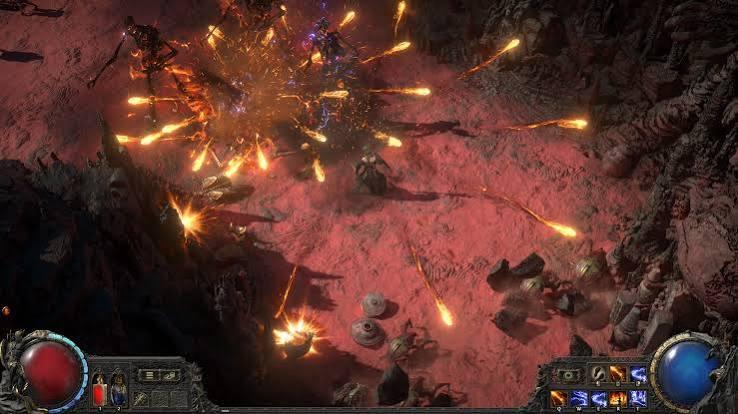
In Path of Exile 2, a strong character is built through more than skill choices and careful positioning. Equipment, crafting materials, and trade all shape how quickly a new setup comes together, which makes POE2 Currency an important part of planning for both early progression and tougher endgame encounters.
The value of a resource depends on what a character needs next. A stack that seems plentiful during the campaign may become scarce when upgrades require repeated crafting attempts, while a rare item can be less useful than several modest improvements that address a build's weaknesses. Treating currency as a flexible budget helps keep progression steady.
Spend with a Clear Upgrade in Mind
Before using valuable materials, identify the problem an upgrade should solve. A character taking heavy elemental damage may benefit more from stronger resistances than from a small increase to attack damage. Likewise, a skill that feels slow can improve dramatically with better attack speed, even if its listed damage changes only slightly.
Compare an item with the gear it would replace, not with an idealized endgame version. Check its useful modifiers, required attributes, and effect on the rest of the equipment set. An upgrade that forces several other changes can cost much more than its initial price suggests.
It also helps to set a limit before crafting. Decide how many resources you are willing to commit to one slot, then stop when the limit is reached. This keeps a single uncertain item from consuming the materials needed for several reliable improvements.
Understand the Role of Different Resources
Path of Exile 2 uses different currencies for different economic and crafting purposes. Some are primarily useful for changing or improving equipment, while others are commonly exchanged between players. Their practical value shifts with demand, progression milestones, and the supply available in a given league.
The table below offers a broad way to think about resource use. It is not a fixed price guide: the same item can be more or less valuable depending on current trading activity and the needs of a particular character.
| Resource role | Common use | Planning consideration |
|---|---|---|
| Crafting material | Modifying or improving equipment | Keep a reserve for upgrades with a clear purpose |
| Trade currency | Exchanging value between players | Compare current offers before committing |
| Specialized item | Supporting a particular craft or build | Check whether it fits the character's next milestone |
When an item's role is unclear, avoid spending it immediately. A short pause to compare alternatives can reveal whether it is better used directly, saved for a later craft, or exchanged for an upgrade that has a more immediate impact.
Make Trading More Efficient
Good trading begins with a specific request. Know which slot you want to improve and which attributes matter before browsing. For a defensive item, that might mean a minimum life total and enough resistances to meet a target. For a weapon, it may mean a suitable base and modifiers that support the main damage type.
Look at several comparable offers instead of treating the first listing as the market standard. Pay attention to item level, modifier quality, and any drawbacks that affect your build. A lower asking price is not necessarily better value if the item requires additional purchases to work.
Keep enough resources available for ordinary play. Spending every tradeable item on one major purchase can leave a character unable to afford smaller repairs to its gear. A modest reserve offers room to respond when a useful item appears or a new encounter exposes a weakness.
Keep Progression Flexible
Build plans are useful, but they should not prevent sensible adjustments. A new drop or a difficult encounter may make a different path more attractive. Revisit your priorities after major milestones, especially when entering content with higher damage or more demanding defensive checks.
A simple routine can make decisions easier.
Check which character weakness is limiting progress.
Compare the cost of one large purchase with several smaller upgrades.
Keep a reserve for crafting and unexpected equipment needs.
Review prices and item details before making a trade.
These habits turn currency management into part of character development rather than a separate task. They also reduce the chance of committing resources to gear that looks impressive but does little for the build.
Steady progress comes from matching each purchase to a real need, saving valuable materials for purposeful upgrades, and staying attentive to changing trade conditions. Whether you are comparing offers or planning your next equipment improvement, poe 2 buy currency can be one option to consider as you prepare for the next stage of your journey.

 English
 Arabic
 French
 Spanish
 Deutsch
 Turkish
 Dutch
 Italiano
 Russian
 Romaian
 Portuguese (Brazil)
 Greek