
How Smart Automation Is Transforming the Automatic Curtain Market
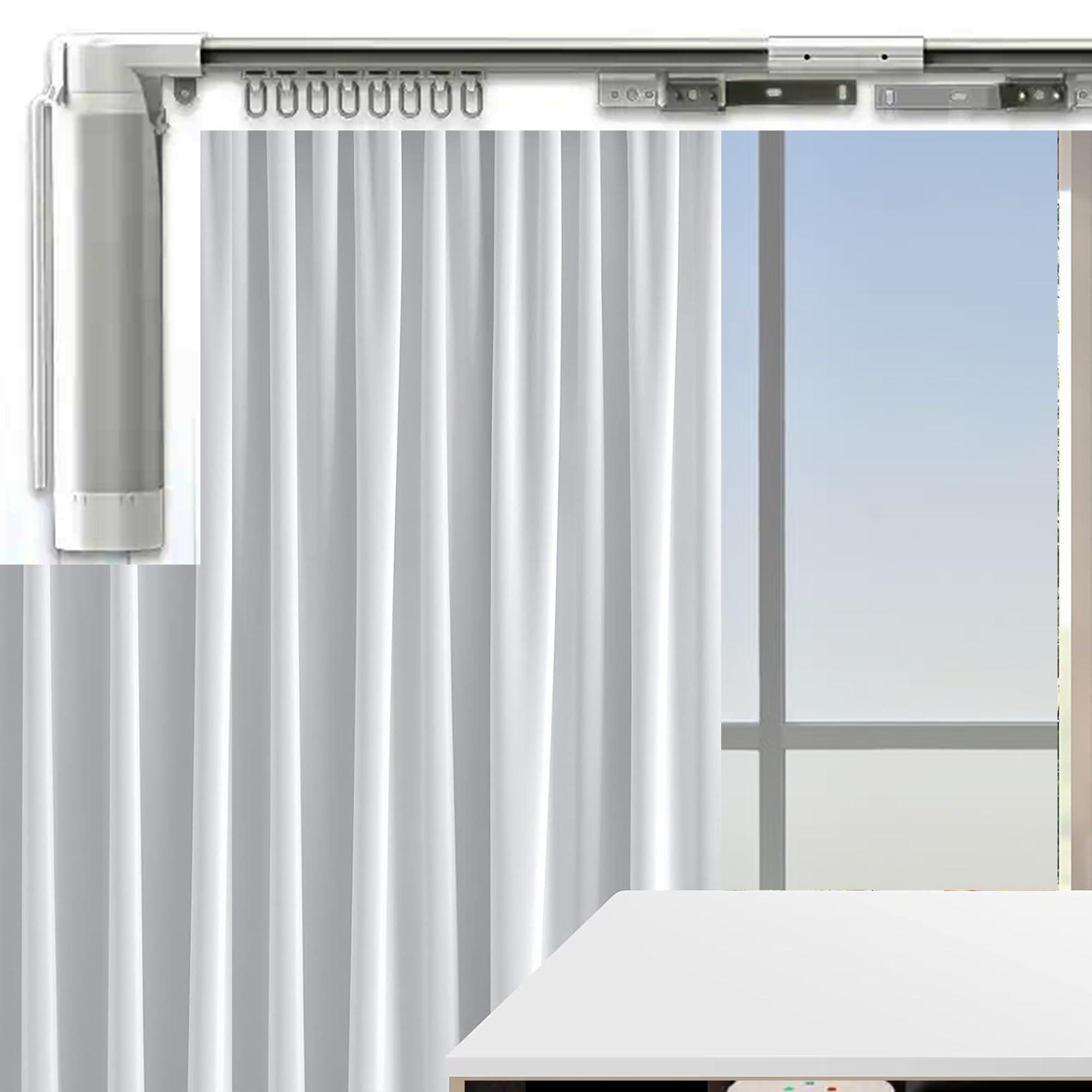
Automatic Curtain Market is gaining attention as homeowners, commercial property developers, and interior designers increasingly embrace convenient and technology-enabled living environments. Modern consumers are looking beyond traditional window coverings and exploring solutions that combine comfort, functionality, and contemporary aesthetics. Automated curtains allow users to control natural light, privacy, and indoor ambience through remote controls, wall switches, smartphone applications, and integrated smart home systems. This flexibility makes them suitable for residential apartments, luxury homes, hotels, corporate offices, and entertainment spaces. As connected living becomes more familiar, automated window treatments are gradually becoming an important part of modern interior planning.
One of the major developments supporting this industry is the growing interest in automated window treatment solutions. These systems provide convenient alternatives to manually operated curtains by allowing users to schedule opening and closing operations according to their daily routines. Homeowners can adjust curtains without physically reaching windows, while commercial establishments can manage multiple window coverings more efficiently. Integration with smart home platforms further improves usability by connecting curtain motors with lighting, temperature management, and voice-controlled devices. Such capabilities are encouraging consumers to consider automation as a practical addition rather than simply a luxury interior feature.
Smart home adoption is also influencing purchasing preferences across different consumer groups. People increasingly expect household products to communicate with one another and simplify everyday activities. Automatic curtains support this expectation by providing synchronized operations through connected applications and compatible smart devices. For example, curtains can open during morning hours to introduce daylight and close during evenings to improve privacy. These functions are particularly useful for individuals managing busy schedules and households with large windows. As technology becomes easier to operate, automated curtains are attracting attention from consumers who prioritize accessibility, convenience, and a more organized living experience.
Another important factor is the growing emphasis on energy-conscious building management. Window coverings influence how sunlight enters indoor environments, which can affect room temperature and lighting requirements. Automated curtain systems allow users to manage sunlight exposure more consistently throughout the day. During warmer periods, curtains can be closed to reduce direct sunlight, while suitable daylight can be encouraged during cooler hours. Commercial properties may also use scheduled curtain operations to support building management strategies. Although the effectiveness depends on window orientation, fabric selection, and building design, automation provides an additional method of managing indoor comfort and environmental conditions.
Interior design preferences are creating further opportunities for product manufacturers. Consumers increasingly seek window treatments that complement minimalist furniture, modern architecture, and premium home décor. Automatic curtains are available in different fabrics, colours, track configurations, and motorized operating systems, allowing buyers to coordinate functionality with interior styling. Ceiling-mounted tracks, concealed motors, and customized curtain arrangements can create a clean appearance in contemporary spaces. Luxury hotels and premium residential developments are also exploring automated window coverings to provide guests and residents with a more sophisticated environment. This combination of visual appeal and practical functionality is strengthening product interest.
Technological innovation is another important element shaping competition among manufacturers. Companies are focusing on quieter motors, improved track mechanisms, wireless connectivity, easier installation, and compatibility with different smart home ecosystems. Battery-powered products are also useful in locations where electrical wiring may be difficult or expensive to install. Meanwhile, app-based controls provide additional flexibility by allowing users to operate curtains remotely. Manufacturers that prioritize reliable performance, straightforward installation, and compatibility with commonly used connected devices can strengthen their position among residential and commercial customers. Product quality and after-sales support remain important considerations for purchasing decisions.
Despite growing interest, certain challenges can influence adoption. Initial purchasing costs, installation requirements, compatibility concerns, and maintenance considerations may discourage price-sensitive consumers. Older buildings can require additional electrical arrangements or modifications to accommodate motorized curtain tracks. Some customers may also prefer traditional curtains because of their familiarity and straightforward operation. Manufacturers can address these concerns by introducing affordable product configurations, providing clear installation guidance, and developing user-friendly control systems. Educating customers about practical applications and long-term convenience can also help improve awareness among consumers who are unfamiliar with automated window coverings.
Looking ahead, the Automatic Curtain Market is positioned to benefit from continued smart home adoption, modern construction activities, and increasing demand for convenient interior solutions. Residential consumers are likely to remain interested in products that simplify daily routines, while hospitality, healthcare, and corporate facilities can explore automation for operational convenience. Integration with voice assistants, connected sensors, and building management platforms may further expand the applications of automated curtains. Manufacturers that combine attractive designs with dependable technology and accessible pricing can appeal to a wider customer base. As consumers become more familiar with connected interiors, automated window treatments are expected to maintain their relevance in contemporary building environments.
FAQ 1: What are automatic curtains?
Automatic curtains are motorized window coverings that open and close using remote controls, applications, switches, or smart home systems.
FAQ 2: How do smart home systems support automatic curtains?
They allow curtains to operate through connected devices, voice commands, and scheduled automation.
FAQ 3: Are automatic curtains suitable for residential properties?
Yes. They are suitable for apartments, houses, and luxury residences requiring convenient window management.

 English
 Arabic
 French
 Spanish
 Portuguese
 Deutsch
 Turkish
 Italiano
 Russian
 Romaian
 Portuguese (Brazil)
 Greek