
Understanding Hot Yoga Classes: Benefits, Practice, and Preparation
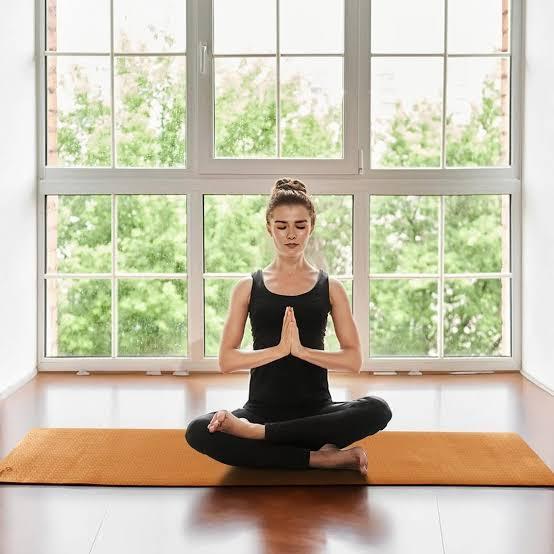
Hot yoga classes provide a distinctive approach to yoga by combining physical postures, controlled breathing, and mindful movement in a heated room. Across the United States, this form of exercise attracts individuals interested in improving flexibility, developing strength, enhancing balance, and managing everyday stress. Each session may include standing poses, stretching exercises, balancing techniques, and relaxation periods, depending on the instructor and class format. Understanding the structure of hot yoga classes helps beginners prepare for their first session and establish realistic expectations. Appropriate clothing, hydration, and awareness of personal physical limits are important parts of a safe practice. Participants should also understand the potential risks associated with exercising in elevated temperatures and seek medical advice when necessary. By choosing a suitable class, following professional guidance, and progressing gradually, individuals can explore hot yoga as one possible addition to a balanced fitness and wellness routine.
Introduction
Hot yoga classes have become a popular form of exercise in the United States for people seeking a combination of physical movement, flexibility, strength, and relaxation. These classes take place in a heated room, creating an environment that differs from traditional yoga sessions. Participants perform a series of yoga poses, breathing exercises, and controlled movements while adjusting to the increased temperature. The structure and intensity of each session depend on the instructor, yoga style, and experience level of the participants.
Hot yoga can provide an opportunity to develop body awareness and establish a consistent fitness routine. However, understanding the practice, its potential benefits, and the precautions involved can help individuals decide whether this form of exercise suits their needs.
What Are Hot Yoga Classes?
Hot yoga classes involve practicing yoga in a room maintained at an elevated temperature. The heat level varies between studios and class formats, while humidity may also influence the overall experience. Some sessions follow a fixed sequence of poses, whereas others combine different movements and breathing techniques.
The heated environment can make the body feel warmer and may create a greater sensation of physical exertion. Participants often practice standing poses, balancing movements, stretches, and floor-based exercises. The instructor typically guides the class through each movement while explaining proper alignment and breathing.
Although hot yoga classes is associated with flexibility and sweating, the amount of sweat does not determine the quality of a session. Safe movement, controlled breathing, and awareness of physical limits remain important throughout the practice.
Potential Benefits of Hot Yoga Classes
Improved Flexibility
Regular yoga practice may help improve flexibility by encouraging controlled stretching and gradual movement through different ranges of motion. In a heated room, muscles may feel more comfortable during certain stretches. However, the warmth can also make it easier to overstretch, so participants should avoid forcing their bodies into unfamiliar positions.
Strength and Balance
Many yoga poses require participants to support their body weight, maintain stable positions, and engage different muscle groups. Standing postures, lunges, and balance exercises may contribute to muscular endurance and body control when practiced consistently.
Stress Management
Breathing exercises and focused movements can help participants direct their attention away from everyday distractions. The structured environment may provide an opportunity to slow down, concentrate on the present moment, and develop a calming routine.
Greater Body Awareness
Hot yoga encourages individuals to notice their breathing, posture, muscle tension, and physical responses to exercise. This awareness can help participants recognize when they need to adjust a pose, rest, or reduce their effort.
What Happens During a Typical Session?
A typical hot yoga session begins with an introduction, breathing exercises, or gentle movements that prepare the body for physical activity. The instructor then guides participants through a sequence of poses designed for the selected class format.
The middle portion may include standing postures, controlled transitions, balancing exercises, and stretches. Some classes emphasize strength and endurance, while others focus on slower movements and flexibility.
The session usually concludes with gentle stretching, relaxation, or a resting posture. Participants are encouraged to move at a manageable pace and take breaks when necessary.
Class duration varies, although many sessions last approximately 45 to 90 minutes. Beginners should review the class description before attending to understand the expected intensity and experience requirements.
Preparing for Hot Yoga Classes
Preparation can make the experience more comfortable and help reduce avoidable risks. Participants should bring a yoga mat, a towel, and sufficient drinking water. Lightweight clothing made from breathable, moisture-managing fabric can also be helpful.
Arriving early allows newcomers to become familiar with the room and communicate any concerns to the instructor. A light meal consumed sufficiently before exercise may be more comfortable than a large meal immediately before class.
Hydration is particularly important because sweating increases fluid loss. Participants should drink water before and after the session and follow appropriate hydration guidance during exercise. They should avoid attending a class when feeling unwell, dehydrated, or unusually fatigued.
Safety Considerations for Heated Exercise
The elevated temperature makes hot yoga different from many other exercise formats. Excessive heat can contribute to dehydration, dizziness, nausea, weakness, and heat-related illness. Participants should never treat discomfort as a requirement for completing a session.
Anyone experiencing unusual symptoms should stop exercising, move to a cooler area, and seek assistance when needed. Confusion, fainting, or signs of severe heat illness require urgent medical attention.
Individuals with cardiovascular conditions, heat sensitivity, a history of heat-related illness, or other relevant medical concerns should consult a qualified healthcare professional before participating. Pregnant individuals should also seek appropriate medical guidance before trying heated exercise.
Instructors should provide modifications and make it clear that participants can rest or leave the heated room when necessary.
Choosing a Suitable Hot Yoga Class
When comparing hot yoga classes in the United States, individuals can consider several practical factors. Class descriptions should explain the yoga style, approximate room temperature, duration, and expected intensity. Beginner-friendly sessions may offer more instruction and modifications than advanced classes.
The instructor's qualifications, studio cleanliness, ventilation, and approach to participant safety are also important considerations. Clear guidance about hydration, breaks, and modifications can help participants understand what to expect.
Newcomers may benefit from starting with shorter or less intense sessions before considering more demanding formats. Personal comfort and physical readiness should guide the decision rather than pressure to match the pace of other participants.
Conclusion
Hot yoga classes combine traditional yoga movements with a heated practice environment, offering opportunities to work on flexibility, strength, balance, and mindful breathing. Their suitability depends on individual fitness levels, health considerations, and comfort with heat. By preparing appropriately, maintaining hydration, following safe movement techniques, and respecting physical limits, participants can approach hot yoga more responsibly. A gradual introduction and attention to the body's responses can help individuals determine whether this exercise format fits into their regular wellness routine.

 English
 Arabic
 French
 Spanish
 Portuguese
 Deutsch
 Dutch
 Italiano
 Russian
 Romaian
 Portuguese (Brazil)
 Greek