
What to Expect from Professional Commercial Hydroseeding Services
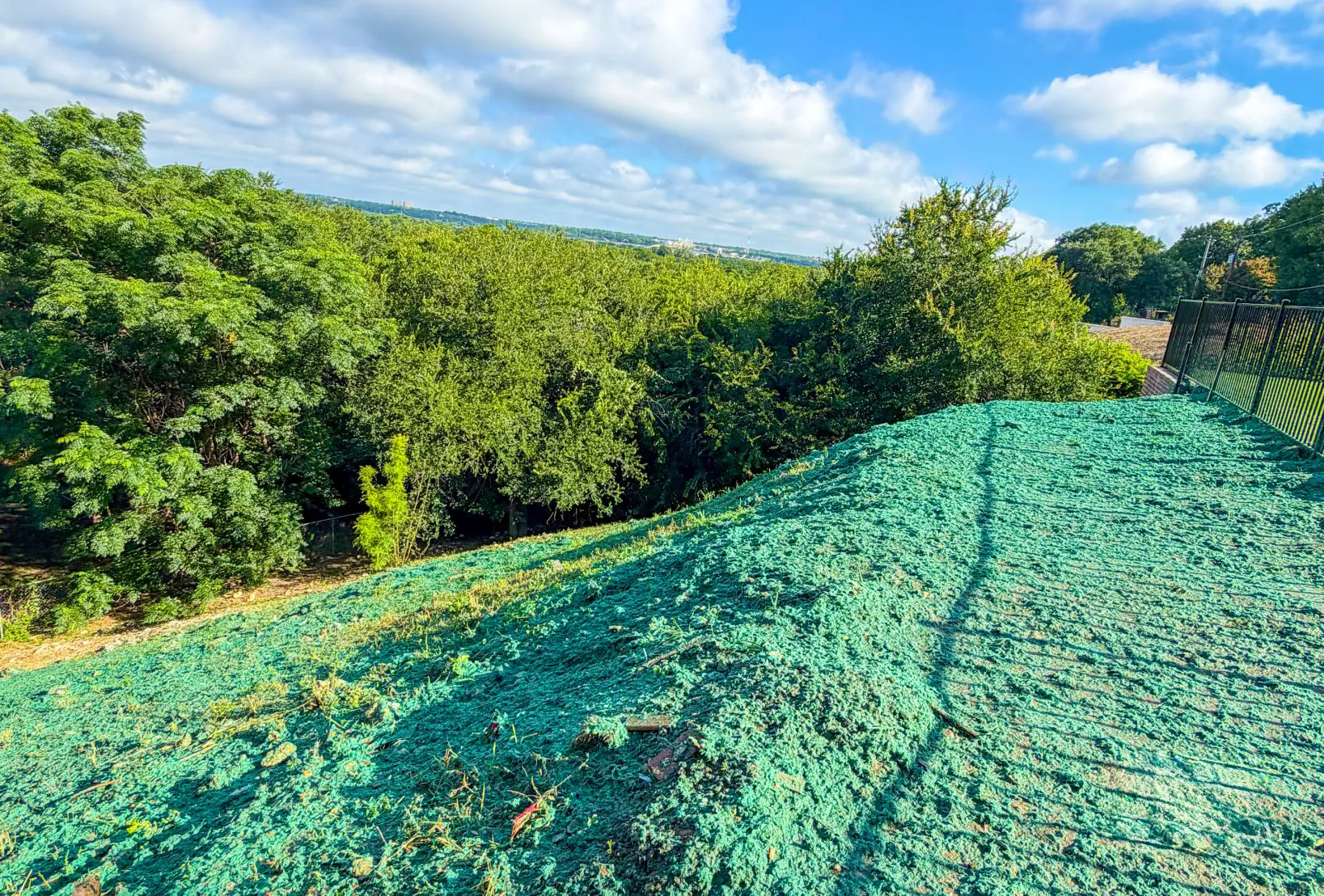
Establishing healthy, green grass across a large property requires more than scattering seeds and hoping for good results. Commercial landscapes often cover extensive areas, including business parks, construction sites, roadside developments, and public spaces. These locations need an efficient seeding method that supports consistent grass growth, controls soil erosion, and creates an attractive finish. Professional commercial hydroseeding services offer a practical solution by applying a mixture of grass seed, water, mulch, and other suitable materials directly to prepared soil. This process helps distribute seed evenly across large areas while supporting germination and early root development.
For property owners, developers, and contractors, understanding the hydroseeding process makes it easier to plan landscaping projects and set realistic expectations. Professional crews evaluate soil conditions, select suitable grass varieties, prepare the site, and apply the seed mixture using specialized equipment. Although results depend on weather, soil quality, watering, and maintenance, hydroseeding can provide an effective alternative to traditional seeding methods. Knowing what happens before, during, and after application helps you make informed decisions and achieve better long-term results.
Understanding Professional Commercial Hydroseeding Services
Commercial hydroseeding is a landscaping technique that combines grass seed, water, mulch, and often a fertilizer or soil amendment in a specialized tank. The mixture is sprayed onto prepared ground through hoses or application equipment. Mulch helps retain moisture around the seeds, while the water allows the materials to spread across the surface. Depending on the project, contractors may adjust the mixture to suit the site, grass species, and environmental conditions.
Unlike laying sod, hydroseeding does not provide an instant lawn. Instead, it creates conditions that allow grass to grow naturally over time. This makes it useful for large commercial properties where installing sod could be expensive or difficult to manage. The process can also cover slopes, uneven ground, and newly graded construction areas when the site is properly prepared. However, steep slopes, compacted soil, and locations exposed to heavy runoff may require additional erosion-control measures.
Professional services typically begin with a site assessment. The contractor examines soil composition, drainage, sunlight exposure, slope, and the intended use of the property. These details influence the choice of seed, mulch, and application method. A carefully planned approach helps avoid common problems, such as poor germination, patchy growth, and seed loss caused by rain or wind.
What Happens Before the Hydroseeding Process Begins?
Preparation is one of the most important stages of a successful hydroseeding project. Before applying the mixture, the crew may remove construction debris, rocks, weeds, and unwanted vegetation. The soil is then graded to establish the desired surface and encourage proper drainage. If the ground is heavily compacted, loosening the upper soil layer can improve the conditions needed for seed germination and root growth.
Soil quality also affects the final outcome. Some commercial sites have nutrient-poor soil left behind after excavation or construction. In these situations, the contractor may recommend adding suitable topsoil, compost, or soil amendments. A soil test can help identify pH or nutrient issues that could limit grass development. Addressing these problems before seeding is generally more effective than trying to correct them after the grass begins growing.
The next step involves selecting the right seed blend. Commercial properties may need durable grass varieties that tolerate foot traffic, while roadside areas may require plants suited to local weather and soil conditions. Contractors should consider regional climate, sunlight, irrigation access, and maintenance expectations before recommending a mixture. Clear communication about the property's intended use helps ensure the selected grass is appropriate for the project.
How Professionals Apply the Hydroseeding Mixture
Once the ground is ready, the crew prepares the hydroseeding mixture according to the project's requirements. The tank contains water, grass seed, and mulch, with fertilizer or other additives included when appropriate. The equipment continuously mixes the materials to help maintain an even slurry during application. Using the correct proportions is essential because an unsuitable mixture can affect coverage, moisture retention, and seed establishment.
During application, trained operators spray the mixture across the prepared surface using hoses or specialized nozzles. They work methodically to achieve consistent coverage and avoid leaving bare patches or applying excessive material in one location. Large commercial properties may require multiple passes to cover every designated area. Experienced operators also pay attention to slopes, drainage channels, and difficult-to-reach sections that could need additional care.
Commercial hydroseeding projects can include office complexes, retail developments, industrial facilities, residential subdivisions, parks, and roadside landscapes. Each property presents different challenges, so the application method should reflect its layout and soil conditions. For example, a sloped construction site may need a specialized mulch blend or additional erosion-control protection. These adjustments help improve the chances of successful establishment, although they cannot eliminate every environmental risk.
What Are the Main Benefits of Commercial Hydroseeding?
One major advantage of commercial hydroseeding services is efficient coverage across large areas. Traditional hand seeding can require considerable labor, especially when a property includes multiple sections or uneven terrain. Professional equipment allows crews to distribute the seed mixture over extensive ground in a relatively short period. This efficiency can help contractors coordinate landscaping with construction schedules and other site improvements.
Another benefit is the moisture-retaining quality of the mulch. Newly planted grass needs consistent moisture to begin germinating, and exposed soil can dry quickly under warm, sunny, or windy conditions. Hydroseeding mulch helps retain moisture around the seed while providing some protection against surface erosion. When applied correctly, it can also help reduce seed movement caused by wind and light runoff.
Cost is another consideration for property owners. Hydroseeding may be more economical than sod installation when covering large areas, although actual costs depend on site preparation, seed selection, accessibility, and the materials required. It also provides flexibility in choosing grass blends that suit local growing conditions. Nevertheless, hydroseeding is not an instant landscaping solution, and the property will require regular watering and appropriate maintenance before the grass becomes established.
The environmental benefits depend on how the project is planned and managed. Establishing vegetation can help stabilize exposed soil and reduce erosion over time. However, hydroseeding should not replace necessary drainage improvements, erosion-control structures, or stormwater management measures. Responsible contractors consider the site's environmental conditions and recommend additional protection where the risks of runoff or soil loss are significant.
How Long Does Hydroseeding Take to Produce Results?
The time required for grass to emerge varies according to the seed mixture, temperature, moisture, and soil conditions. Some grass varieties begin germinating within a week, while others may take several weeks. Cool-season and warm-season grasses also have different temperature requirements. For this reason, a professional contractor should provide a realistic establishment timeline based on the selected seed rather than promising the same results for every project.
During the first few weeks, the treated area may look relatively unchanged before small green shoots appear. This stage is normal, provided the seedbed receives suitable care. As the seedlings develop, the coverage gradually becomes more noticeable. A dense, established lawn takes longer and depends on growing conditions, irrigation, mowing practices, and the grass variety used.
Watering is particularly important during germination. The upper layer of soil should remain consistently moist without becoming waterlogged. Depending on weather conditions and the seed blend, this may require light, frequent irrigation throughout the day. Once the grass becomes established, watering can usually become less frequent and deeper. Property managers should follow the contractor's instructions and adjust irrigation when rainfall or changing temperatures affect moisture needs.
Foot traffic and maintenance equipment should be kept away from newly seeded areas whenever possible. Young grass has a limited root system and can be damaged by repeated walking, vehicles, or premature mowing. The contractor should explain when the lawn is ready for its first cut and how to maintain an appropriate mowing height. Regular inspections also help identify bare spots, drainage problems, or areas where additional seeding may be necessary.
Choosing the Right Contractor for Your Hydroseeding Project
Selecting an experienced contractor can make a meaningful difference in the quality and reliability of a hydroseeding project. Start by asking about the company's experience with properties similar in size and complexity to yours. A contractor familiar with commercial landscaping, construction-site restoration, and erosion-prone areas is better positioned to recognize potential challenges before work begins. Requesting examples of completed projects can also help you assess the quality of previous results.
Ask what the quoted service includes. Some estimates cover only the hydroseeding application, while others include soil preparation, grading, seed selection, mulch, fertilizer, and follow-up inspections. Understanding these details helps you compare proposals accurately and avoid unexpected expenses. You should also clarify whether irrigation installation, erosion-control materials, and repairs to failed areas are included in the agreement.
A reliable provider should explain the recommended seed blend, application process, watering requirements, and expected establishment period. They should also discuss limitations honestly, including weather-related risks and the possibility of uneven germination. Be cautious of guarantees that promise a perfectly green lawn within a fixed number of days regardless of site conditions. A professional approach focuses on appropriate preparation, quality materials, correct application, and clear aftercare instructions.
If you are also searching for residential hydroseeding near me, many contractors offer services for both homeowners and commercial clients. Residential projects may involve new construction lawns, backyard renovations, or replacing damaged grass. Although the scale differs, the same principles apply: proper soil preparation, suitable seed selection, even application, and consistent watering. Choosing a provider with the right equipment and experience for your property's size helps ensure the service meets your needs.
Conclusion
Professional hydroseeding offers an efficient way to establish grass across commercial landscapes, newly developed properties, and large areas of exposed soil. The process combines specialized equipment, carefully selected seed, mulch, and water to create favorable conditions for germination. When supported by proper site preparation and appropriate erosion-control measures, it can help property owners achieve more consistent coverage without the expense of installing sod across an entire site.
However, the quality of the final lawn depends on more than the application itself. Soil conditions, seed quality, seasonal weather, irrigation, and ongoing maintenance all influence the outcome. Working with an experienced contractor helps you understand these factors and plan for the care required after installation. Before choosing a service, compare the proposed materials, preparation work, pricing, and maintenance guidance rather than focusing on cost alone.
Whether you manage a commercial development or need help finding residential hydroseeding near me, the right provider should offer a clear plan tailored to your property. By investing in professional preparation and following recommended aftercare practices, you can give new grass a stronger foundation for healthy growth, improved ground coverage, and an attractive landscape that develops over time.

 English
 Arabic
 French
 Spanish
 Portuguese
 Deutsch
 Turkish
 Dutch
 Italiano
 Russian
 Romaian
 Greek