
How Landscape Gate Design Creates Harmony Between Gardens and Outdoor Spaces
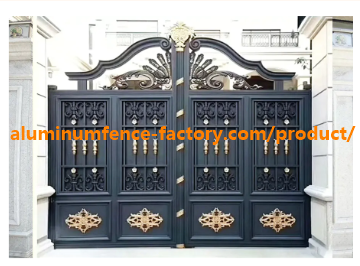
A garden entrance does more than separate one area from another. It introduces the character of the outdoor environment and influences how people move between pathways, lawns, patios, and private garden spaces. A thoughtfully designed Landscape Gate can become part of the surrounding scenery while providing a practical point of access. Its success depends on the relationship between material selection, structural construction, opening arrangements, and visual coordination with the natural environment.
Material selection is especially important for gates installed in gardens because outdoor conditions can change throughout the year. Aluminum is a popular choice for landscape fencing and gates because it is relatively lightweight and naturally resistant to corrosion. These characteristics make it suitable for outdoor settings where moisture and changing weather may affect exposed materials. Steel can also be considered when a project calls for a more substantial visual presence. The decision should reflect the intended style, surrounding environment, maintenance expectations, and overall project requirements.
The manufacturing process determines how effectively these materials become a finished product. Cutting and forming influence the accuracy of frame components, while welding and assembly help establish the overall structure. Surface preparation and coating contribute to the appearance and protection of the finished gate. Powder coating, for example, offers opportunities to coordinate colors with garden furniture, fencing, exterior walls, and other landscape elements. Consistent finishing also helps create a unified appearance across different sections of an outdoor boundary.
Choosing a suitable gate begins with understanding the layout of the garden. A gate positioned beside a pathway may have different requirements from one installed at the entrance to a large landscaped property. Buyers should consider how people will approach the entrance, whether the surrounding ground is level, and how nearby plants, walls, or decorative features may affect movement. The gate should fit naturally into the available space without making the entrance feel crowded or interrupting the flow of the landscape.
The intended use is another important consideration. A decorative garden entrance may primarily define a boundary between outdoor areas, while a gate leading to a private courtyard may also support privacy and access management. Some projects require a clear view through the gate to preserve the openness of the garden. Others benefit from more enclosed panels that create a visual separation. Understanding these expectations helps buyers compare different frame structures, infill patterns, and opening arrangements.
Customization can help a gate become an integrated part of the landscape rather than an isolated feature. Buyers may compare simple vertical lines, horizontal arrangements, ornamental patterns, and combinations of solid and open sections. The gate's color can echo nearby planting containers, outdoor furniture, or architectural finishes. It is also useful to consider how the gate will look from both sides, since garden entrances are often viewed from several directions. Product drawings and visual references can help clarify these design relationships before an order is placed.
Functionality depends on the coordination of the frame, hinges, posts, locking components, and opening mechanism. Swing gates are commonly used for garden entrances because their operation is straightforward and can suit a variety of layouts. Sliding arrangements may be appropriate where the surrounding space allows lateral movement. The selection should account for the available clearance, ground conditions, frequency of use, and the needs of people passing through the entrance.
Good construction supports reliable everyday movement. Properly aligned hinges allow the gate to open and close smoothly, while suitable latches help maintain its closed position. Supporting posts need to match the overall installation arrangement so that the gate remains properly positioned. Manufacturing accuracy is important because inconsistent component dimensions or poorly finished connection areas can make installation and adjustment more difficult. Buyers should therefore look beyond decorative appearance and consider the quality of the complete assembly.
The user experience is closely connected to accessibility and the natural movement of people through a garden. An entrance should be easy to recognize and convenient to approach. Handle placement, opening direction, and the relationship between the gate and nearby pathways can affect how comfortable it is to use. In gardens designed for family activities or frequent outdoor gatherings, a practical entrance helps visitors move between different areas without disrupting the surrounding arrangement.
Maintenance is also part of long-term usability. Leaves, soil, and moisture may collect around the lower frame, hinges, and other moving sections. Regular cleaning helps prevent debris from interfering with operation, while occasional inspection can reveal loose connections or surface damage. A gate with accessible hinges and straightforward hardware can make routine maintenance easier. Buyers should also understand the care recommendations associated with the selected material and finish.
Appearance plays a distinctive role in landscape gate design because outdoor spaces often combine natural textures with constructed features. A simple metal frame can provide a clean contrast against greenery, while decorative patterns may complement traditional gardens or formal planting arrangements. Open sections allow light and visual connection to pass through, helping preserve a sense of space. More enclosed designs can create a stronger boundary around private seating areas or garden sections. The choice should support the overall landscape concept rather than compete with it.
Yongkang Heqi Industry & Trade Co., Ltd. focuses on aluminum fencing and related outdoor boundary products, providing options for projects that require coordination between gates and surrounding fence structures. Its product range offers buyers an opportunity to explore different approaches to outdoor access, material selection, and exterior appearance. Garden designers, property owners, contractors, and distributors can learn more about the company's products and available solutions at https://www.aluminumfence-factory.com/product/.

 English
 Arabic
 French
 Portuguese
 Deutsch
 Turkish
 Dutch
 Italiano
 Russian
 Romaian
 Portuguese (Brazil)
 Greek