
How to Choose a Snow Blower for Winter Storms and Year-Round Yard Care
Clearing heavy winter snow quickly without straining your back is a top priority for homeowners in cold climates. A reliable snow blower helps you reclaim driveways, walkways, and patios after storms while saving hours of manual shoveling. This guide explains how different snow blower designs work, how to match a machine to your snowfall and property layout, and how winter snow removal connects with year-round automated outdoor care from SUNSEEKER Tech.
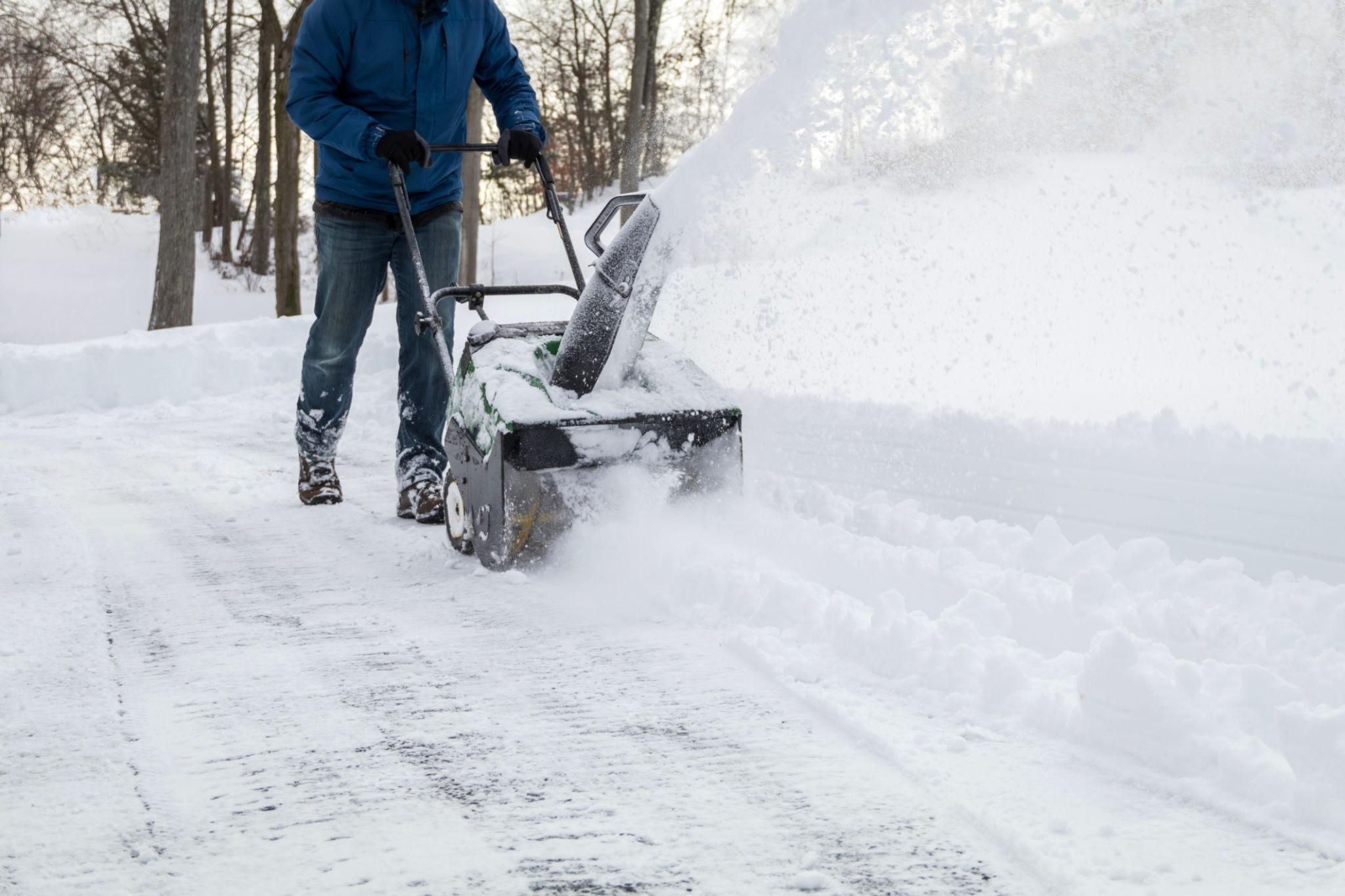
Snow blower clearing a driveway. Source: Rabbitti / Getty Images
How a Snow Blower Works Across Winter Conditions
Every snow blower relies on an intake auger to gather snow and an impeller or chute system to throw it clear of walking and driving paths. Choosing the right style depends on how often snow falls in your area, how wet the snow tends to be, and what surfaces you need to clear.
Single-Stage Snow Blower Models
A single-stage snow blower uses a rotating auger that both scoops snow and propels it out through the discharge chute. Because the rubber-edged auger often contacts the ground lightly, single-stage units work well on paved surfaces like asphalt driveways, concrete sidewalks, and decks.
-
Best use: Light to moderate snowfalls, typically under 6 to 8 inches at a time.
-
Surface fit: Smooth, level pavement rather than loose gravel drives where auger blades can pick up stones.
-
Ease of handling: Compact dimensions and lighter weight make single-stage machines easy to maneuver around cars, steps, and tight paths.
Two-Stage and Three-Stage Snow Blower Options
A two-stage snow blower separates gathering and throwing into two distinct actions. A steel auger pulls snow into the housing, while a high-speed impeller fan launches it through the chute. Three-stage snow blower designs add an accelerator mechanism to break up dense drifts and packed snow at the end of a driveway.
-
Best use: Heavy snowfalls, deep drifts, and dense, wet snow left behind by municipal plows.
-
Surface fit: Paved driveways as well as gravel or uneven surfaces when skid shoes are adjusted properly.
-
Power and traction: Self-propelled wheel or track drives reduce pushing effort on inclines and slushy ground.
Power Sources: Gas, Cordless Electric, and Battery
Homeowners can choose between gas engines and battery-powered electric models. Gas units offer long runtimes and high torque for big properties and deep drifts, though they require fuel storage, spark plug checks, oil changes, and routine maintenance.
Battery-powered cordless models start at the push of a button, produce zero exhaust emissions during use, and require less engine upkeep. Modern lithium battery platforms also let homeowners share batteries across outdoor tools, making seasonal upkeep simpler.
|
Feature |
Single-Stage Snow Blower |
Two-Stage Snow Blower |
Battery Electric Snow Blower |
|
Typical Snow Depth |
Light to moderate |
Moderate to heavy |
Light to moderate |
|
Drive System |
Auger-assisted push |
Self-propelled wheels or tracks |
Push or self-propelled |
|
Surface Suitability |
Paved drives and walkways |
Paved, sloped, or gravel surfaces |
Paved drives and walkways |
|
Routine Upkeep |
Belt, auger, and storage prep |
Gearbox, belts, oil, and fuel prep |
Battery care and blade/auger checks |
Key Factors to Compare Before You Buy a Snow Blower
Shopping for a snow blower is easier when you measure your actual property needs rather than guessing. A machine that is too small leaves you making extra passes after big storms, while an oversized unit can feel bulky in narrow side yards.
Clearing Width, Intake Height, and Chute Control
Clearing width usually ranges from around 18 to 30 inches or more. Narrower decks fit through gates and tight spots between parked cars, while wider decks clear straight driveways in fewer passes. Intake height matters just as much because a taller housing prevents snow from spilling over the top in deep drifts.
Look for easy chute rotation and deflector controls so you can aim snow away from windows, parked vehicles, neighbor walkways, and delicate landscaping.
Terrain, Slopes, and Surface Protection
Sloped driveways and uneven transitions between concrete and grass demand good traction and balanced weight. On two-stage models, adjustable skid shoes help set clearance above gravel or raised pavers so the scraper bar does not catch on edges.
Pay attention to how you store your equipment between storms. Keeping a snow blower in a dry garage or shed protects cables, chutes, and electrical components from ice buildup and corrosion.
Connecting Winter Snow Removal with SUNSEEKER Tech Yard Care
While a snow blower handles winter accumulation, warm-weather turf care brings its own recurring weekly workload. SUNSEEKER Tech focuses on intelligent, wire-free robotic lawn mowers designed to make routine lawn care quieter, cleaner, and less time-consuming for homeowners.
According to SUNSEEKER Tech information, the company builds robotic lawn mowers for yards ranging from compact 0.15-acre spaces to larger properties up to 1.5 acres, using smart navigation systems such as Vision AI, 3D LiDAR, and RTK positioning rather than buried perimeter wires. Models like the V3, S4, X3 Plus, X5, and X7 lineup feature app scheduling, multi-zone management, rain sensors, and slope capabilities tailored to different yard grades.
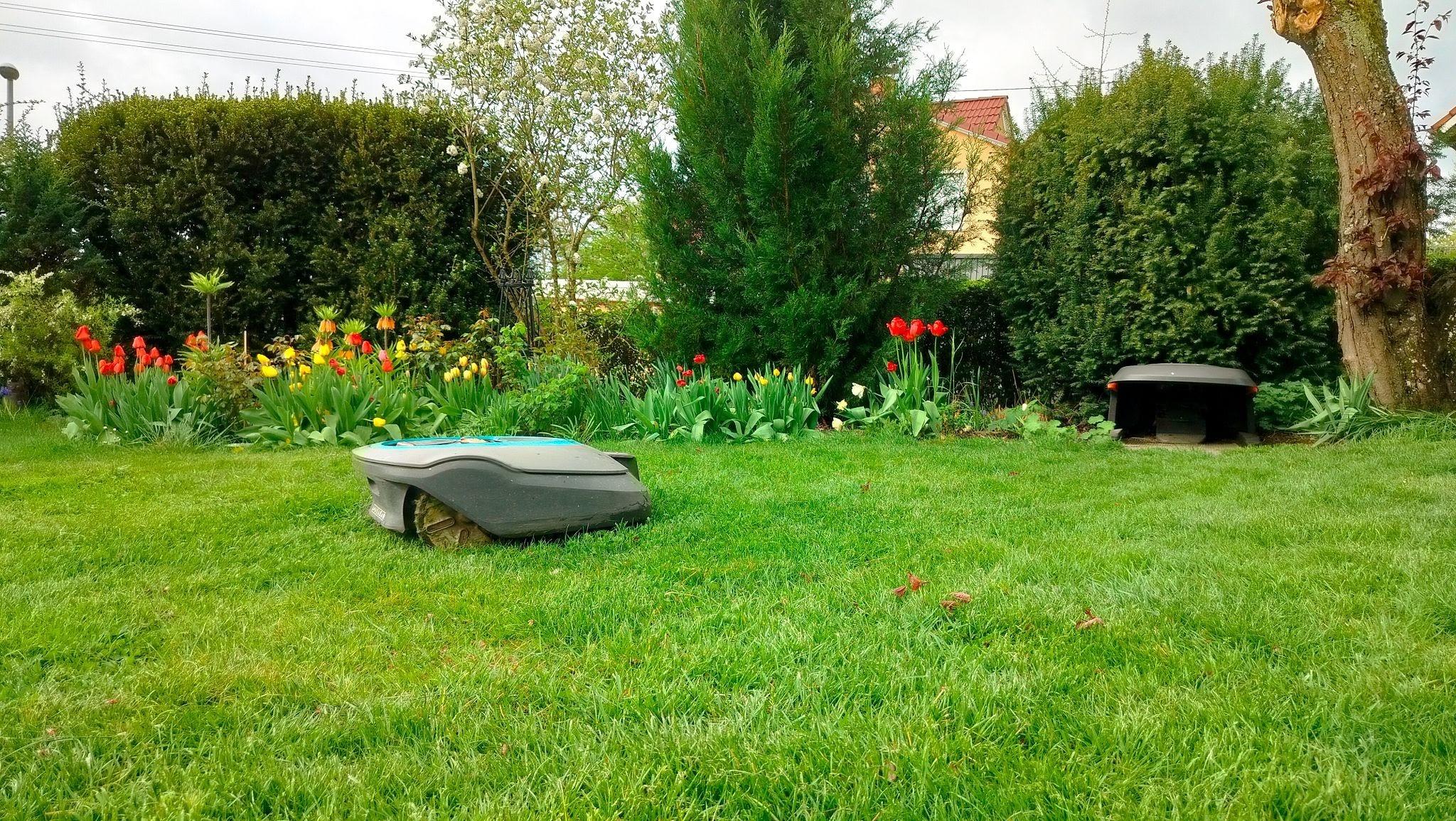
Automated lawn mower on green grass. Source: Matus Vandzura / Getty Images
Thinking about both winter clearing and spring turf maintenance helps you plan outdoor equipment around your whole calendar. In late autumn, clearing fallen leaves and branches before the first freeze protects grass during winter and keeps yard surfaces clear before you roll out a snow blower. When spring arrives and snow melts, transitioning to automated mowing lets you keep turf neatly trimmed without spending every weekend behind a push mower.
Practical Tips for Safe, Smooth Winter Operation
A few simple habits make every snow-clearing session safer and more efficient.
-
Clear obstacles first: Walk the path before starting to spot newspaper tubes, extension cords, toys, doormats, or loose branches.
-
Never clear clogs by hand: Always shut off the machine and wait for moving parts to stop completely before clearing packed snow from the chute or auger.
-
Work with the wind when possible: Throwing snow downwind reduces blowback into your face and eyes.
-
Start clearing early in long storms: Making a pass during a prolonged snowfall is often easier than waiting until heavy, wet snow compacts.
Conclusion
Picking the right snow blower comes down to matching clearing power, intake size, traction, and power source to your climate and driveway layout. Whether you face occasional light flurries or heavy winter drifts, choosing equipment that fits your routine saves time and physical strain all season. Pairing smart winter storm prep with automated warm-weather lawn care from brands like SUNSEEKER Tech helps keep your outdoor spaces manageable throughout the year. Before the next forecast turns cold, measure your driveway and check your storage space so you are ready when snow arrives.
Frequently Asked Questions
How do I choose between a single-stage and a two-stage snow blower?
Choose a single-stage snow blower for light to moderate snow on smooth, paved surfaces where maneuverability matters most. Choose a two-stage snow blower if you get heavy snowfalls, deep drifts, wet plow ridges, gravel driveways, or sloped terrain.
Can a snow blower handle wet, heavy snow?
A snow blower can clear wet, heavy snow, especially two-stage models with strong impeller throw power and smooth, clean chutes. Clearing smaller widths per pass and spraying a silicone-based lubricant on the chute interior before use can help prevent wet snow from sticking.
How much maintenance does a snow blower need each season?
Basic seasonal care includes inspecting belts, auger blades, scraper bars, and tire or track tread, plus checking safety interlocks before winter starts. Gas models also need proper fuel handling and oil checks, while battery models require clean terminals and proper cold-weather battery storage.
What should I do to prepare my yard before winter snow arrives?
Rake or chop up excess leaves, pick up loose items and branches, and mark tricky lawn edges or garden borders so they are visible under snow. Good fall cleanup protects the grass underneath and keeps obstacles out of your snow-clearing path.
How does SUNSEEKER Tech fit into year-round property care?
SUNSEEKER Tech provides wire-free, app-controlled robotic lawn mowers for warm-weather grass care across small, medium, and larger yards. While a snow blower clears winter snow from hard surfaces, automated robotic mowers help maintain healthy, evenly cut lawns during the growing season.

 Arabic
 French
 Spanish
 Portuguese
 Deutsch
 Turkish
 Dutch
 Italiano
 Russian
 Romaian
 Portuguese (Brazil)
 Greek