
Best Vitamin Supplements for Women: Support Your Health and Everyday Wellness
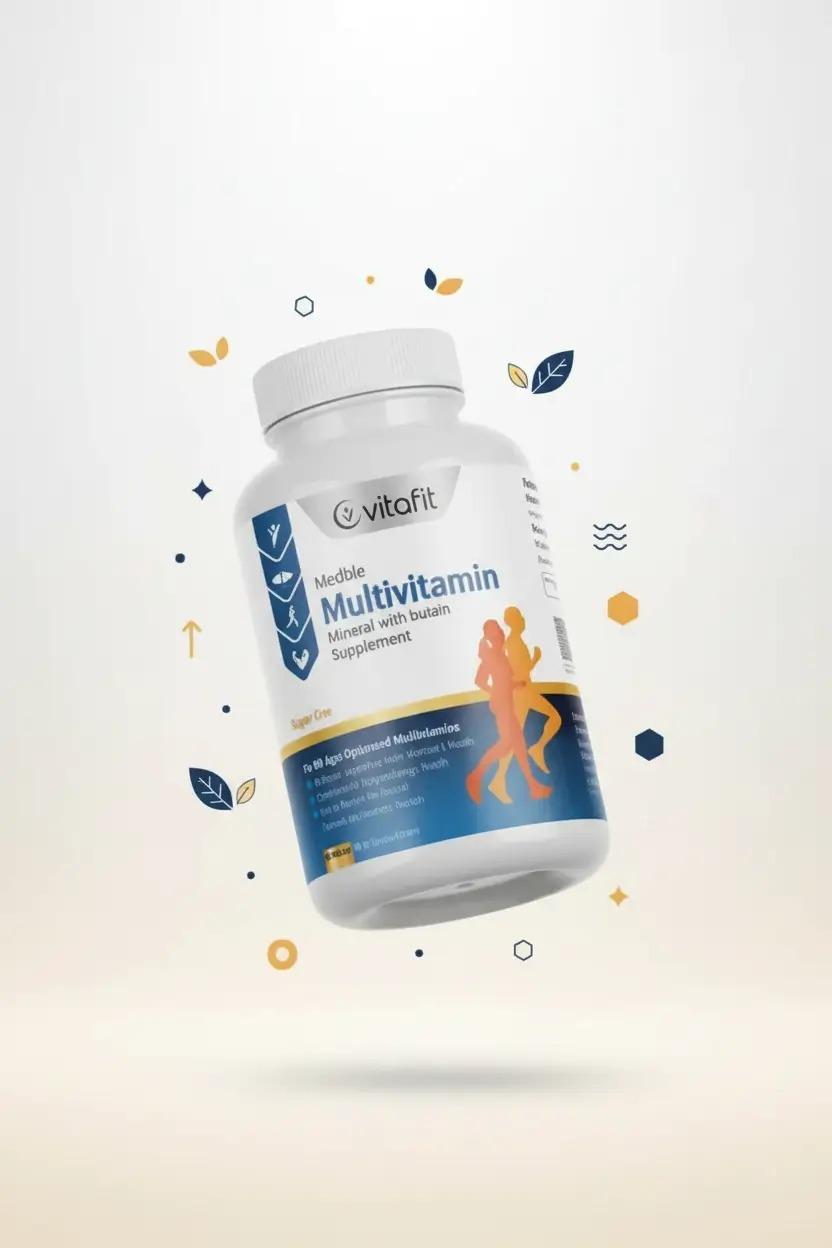
Discover the Best Vitamin Supplements for Women.
Women experience different nutritional needs throughout their lives. Daily responsibilities, changing routines, dietary habits, and different stages of life can all influence how the body uses essential vitamins and minerals. Choosing the best vitamin supplements for women can be one way to support general wellness when the diet does not provide enough of certain nutrients. However, supplements work best when they complement balanced meals, regular physical activity, adequate sleep, and healthy lifestyle habits.
A woman's nutritional needs may change during her teenage years, adulthood, pregnancy, breastfeeding, and later life. Some women may need extra attention to nutrients such as iron, vitamin D, calcium, folate, and vitamin B12. The right choice depends on individual needs, dietary patterns, and health circumstances. Understanding what different nutrients do can help women make informed decisions about their daily wellness routines.
Why Women May Need Vitamin Supplements
A balanced diet is the foundation of good nutrition, but meeting every nutritional requirement can sometimes be challenging. Busy schedules, limited food choices, restrictive diets, and certain health conditions may affect nutrient intake or absorption. In these situations, a suitable supplement may help fill a nutritional gap.
Vitamin supplements are not a replacement for nutritious food. Whole foods provide a combination of vitamins, minerals, fiber, protein, and other beneficial compounds that work together to support the body. Supplements are most useful when they address a genuine need instead of being taken without a clear reason.
Before choosing a supplement, women should consider their age, diet, lifestyle, and any specific nutritional concerns. A healthcare professional can help identify possible deficiencies and recommend appropriate options. This approach makes it easier to select supplements that match individual requirements.
Multivitamins for Women's Daily Nutrition
A multivitamin is a supplement that combines several vitamins and minerals in one product. It may be helpful for women who have difficulty meeting their nutritional needs through food alone. Depending on the formulation, a multivitamin may contain vitamins A, C, D, E, and B vitamins, along with minerals such as zinc, iodine, and selenium.
The best multivitamin for a woman depends on her individual circumstances. A younger adult with a varied diet may have different requirements from a woman who follows a restrictive eating plan or is experiencing age-related nutritional changes. Some formulas are designed for particular life stages, but their ingredients and quantities can vary significantly.
When selecting a multivitamin, check the nutrition label carefully. Look at the amount of each nutrient and compare it with your needs rather than assuming that a formula containing more ingredients is automatically better. Avoid combining several supplements that provide the same nutrients unless a healthcare professional recommends doing so.
Vitamin D for Bones and Muscle Function
Vitamin D helps the body absorb calcium and supports normal bone health. It also plays a role in muscle function and the normal operation of the immune system. Women who receive limited sunlight, have certain medical conditions, or have other risk factors may be more likely to experience low vitamin D levels.
Although sunlight can help the body produce vitamin D, the amount produced varies according to factors such as skin pigmentation, season, clothing, location, and time spent outdoors. Food sources include oily fish, egg yolks, and foods fortified with vitamin D. However, dietary intake may not always be sufficient for everyone.
A vitamin D supplement may be appropriate when intake is inadequate or a deficiency is identified. Taking excessive amounts can be harmful, so women should avoid high-dose supplementation without medical guidance. A healthcare professional can advise whether testing or supplementation is appropriate.
Iron Supplements for Women's Nutritional Needs
Iron is an essential mineral that helps the body produce hemoglobin, a protein in red blood cells responsible for carrying oxygen. Women who menstruate may have higher iron requirements because of monthly blood loss. Pregnancy can increase iron needs as well.
Low iron levels may contribute to tiredness, weakness, reduced concentration, and other symptoms. However, these symptoms can have many causes, so they should not automatically be attributed to iron deficiency. Blood tests can help determine whether iron levels are low and whether supplementation is necessary.
Iron supplements can be useful for women who have an identified deficiency or have been advised to take them by a healthcare professional. Taking iron without a clear need can cause side effects and may be unsafe for people with certain conditions. Women should follow professional advice regarding the appropriate type, dose, and duration of iron supplementation.
Calcium for Strong Bones and Healthy Movement
Calcium is important for maintaining bones and teeth. It also supports normal muscle contraction, nerve signaling, and other essential body functions. Women need sufficient calcium throughout life, with particular attention to bone health as they grow older.
Dairy products, fortified plant-based drinks, calcium-set tofu, and certain green vegetables can contribute to daily calcium intake. Women who avoid dairy products or consume limited calcium-rich foods may need to review their overall intake to determine whether a supplement would be helpful.
Calcium supplements are not necessary for every woman. The amount needed from a supplement depends on how much calcium is already obtained through food and on individual health circumstances. Calcium can also interact with certain medications, while excessive intake may cause problems. A healthcare professional can help determine an appropriate approach.
Vitamin B12 for Energy Metabolism and Nerve Health
Vitamin B12 helps maintain healthy nerve function and supports the production of red blood cells and DNA. It also contributes to normal energy metabolism. Although people often associate B12 supplements with increased energy, supplementation is most beneficial when it addresses inadequate intake or a deficiency.
Vitamin B12 is naturally present in foods such as meat, fish, eggs, and dairy products. Women following vegan diets may need fortified foods or a reliable B12 supplement because unfortified plant foods are not dependable natural sources of this vitamin.
Some people may also have difficulty absorbing B12 from food because of age, digestive conditions, or certain medications. If symptoms or risk factors suggest a deficiency, medical evaluation can help determine the best course of action. Taking more B12 than needed does not necessarily improve energy levels in someone who already has adequate levels.
Folate for Women Planning Pregnancy
Folate is a B vitamin that supports cell growth and DNA formation. It is particularly important before conception and during early pregnancy because it helps reduce the risk of certain neural tube defects in a developing baby.
Women who may become pregnant are generally advised to take 400 micrograms of folic acid daily, unless their healthcare professional recommends a different amount. Folic acid is the form used in many supplements and fortified foods. Starting before pregnancy is important because neural tube development occurs very early.
Pregnancy-specific supplements may contain folic acid alongside other nutrients, but not every formula is suitable for every person. Women who are pregnant, planning pregnancy, or breastfeeding should discuss their nutritional needs with a qualified healthcare professional before selecting a supplement.
Vitamins for Healthy Hair, Skin, and Nails
Many women look for supplements that support healthy hair, skin, and nails. Nutrients such as biotin, zinc, vitamin C, and certain B vitamins contribute to normal body functions involved in maintaining these tissues. However, the benefits of supplementation depend on whether a nutritional gap exists.
Hair thinning, brittle nails, and skin changes can have several causes, including hormonal changes, stress, nutritional deficiencies, and medical conditions. Taking extra vitamins will not necessarily resolve these problems when the underlying cause is unrelated to nutrition.
Biotin supplements are often promoted for beauty support, but evidence for improving hair and nail health in people without a deficiency is limited. High-dose biotin can also interfere with certain laboratory tests. Women should discuss persistent changes in hair, skin, or nails with a healthcare professional rather than relying only on supplements.
Choosing the Best Vitamin Supplements for Different Life Stages
Nutritional needs can change with age and personal circumstances. During adolescence, adequate nutrition supports growth and development. During adulthood, women may focus on maintaining a balanced diet and addressing specific dietary gaps. Pregnancy and breastfeeding bring additional nutritional considerations, while later life may increase the importance of bone health, vitamin D, and vitamin B12.
A supplement designed for one life stage may not be appropriate for another. For example, prenatal formulas may contain nutrients in amounts intended for pregnancy, while other multivitamins may be designed for general adult use. Women should choose products according to their current needs rather than selecting a formula solely because it is marketed for women.
A healthcare professional can provide guidance when dietary restrictions, ongoing symptoms, pregnancy, or medical conditions affect nutritional requirements. Personalized advice is especially important when several supplements are being considered together.
How to Select Safe and Suitable Vitamin Supplements
Choosing a supplement begins with understanding its ingredients and intended purpose. Read the label to check the nutrients included, their quantities, serving instructions, and any warnings. Avoid assuming that higher doses deliver greater benefits, because some vitamins and minerals can cause harm when consumed in excessive amounts.
It is also important to consider possible interactions. Supplements may affect the way certain medications work, and some nutrients can interfere with the absorption of others when taken together. Women who take regular medication or have an ongoing medical condition should consult a healthcare professional before starting a new supplement.
Look for clear labeling, suitable storage instructions, and reliable quality controls. Follow the recommended serving instructions and avoid taking multiple products with overlapping ingredients without professional advice. Keep supplements out of the reach of children and seek medical guidance if an unexpected reaction occurs.
Support Your Wellness with Vitafit Vitamin Supplements
Building a healthy routine starts with understanding what your body needs. Vitafit offers women an opportunity to explore nutritional supplement options that can complement balanced eating and everyday wellness habits. When considering a multivitamin or an individual nutrient, it is important to review the ingredients and choose a product that matches your personal nutritional requirements.
Women looking for suitable supplements should consider their diet, lifestyle, age, and any specific concerns they want to discuss with a healthcare professional. A carefully selected product can help address a nutritional gap, while healthy meals, hydration, physical activity, and adequate sleep remain essential parts of overall wellness.
The most suitable supplement is not necessarily the one with the longest ingredient list. It is the one that meets a genuine need, provides appropriate amounts of nutrients, and fits safely into your daily routine.
Make Informed Choices for Long-Term Women's Wellness
Finding the best vitamin supplements for women begins with understanding the role of essential nutrients and recognizing that every woman has different needs. Multivitamins may help address gaps in dietary intake, while vitamin D, iron, calcium, vitamin B12, and folic acid may be particularly relevant in specific situations.
Supplements should support a balanced lifestyle rather than replace nutritious food or medical care. By reviewing your diet, checking product labels, and seeking professional guidance when necessary, you can make more confident decisions about your nutritional routine.
With an informed approach, women can focus on meeting their nutritional needs at every stage of life and building healthy habits that support long-term well-being.

 English
 French
 Spanish
 Portuguese
 Deutsch
 Turkish
 Dutch
 Italiano
 Russian
 Romaian
 Portuguese (Brazil)
 Greek